
Könyv: Insight - Haladó - Egység 4 - 4A
Itt találja a 4. egység - 4A szókincsét az Insight Intermediate tankönyvből, például "áthelyez", "erdőirtás", "evakuál" stb.
Áttekintés
Villámkártyák
alakok
Betűzés
Kvíz
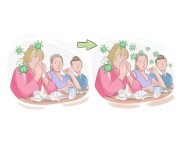
to extend or increase in influence or effect over a larger area or group of people

terjeszteni, elterjeszteni
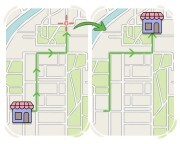
to move to a new place or position
költözik, áthelyez
A multinacionális vállalat úgy döntött, hogy egy részét a személyzetének külföldi fiókokba helyezi át.
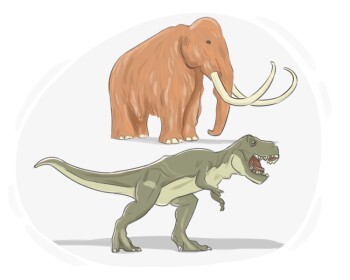
to completely disappear or cease to exist
kihal, teljesen eltűnik
Erőfeszítéseket tesznek arra, hogy megakadályozzák bizonyos kulturális hagyományok kihalását.
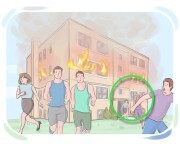
to leave a place to be safe from a dangerous situation
kiürít, elhagy
A kórházban történt vegyszeres szivárgás miatt a betegeknek és a személyzetnek gyorsan ki kellett üríteniük az épületet.

to cause something to remain in its original state without any significant change
megőriz, őriz
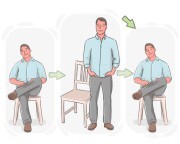
for one more instance
újra, ismét
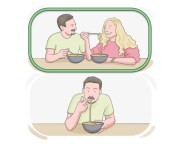
in the company of or in proximity to another person or people
együtt, -val/-vel
A gyerekek együtt ültek az osztályterem elején.
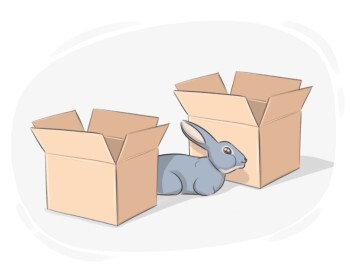
in or through the space that separates two or more things or people
között, közepén
A film alatt a két legjobb barátja között ült.

to a degree or extent that is sufficient or necessary
eléggé, elegendően
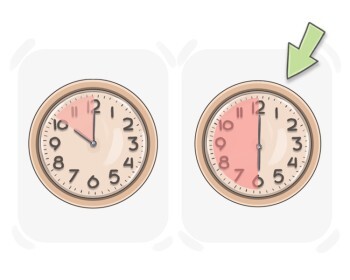
either one of two equal parts of a thing
fél, fele
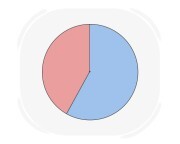
to a specific extent or degree
részben, bizonyos mértékben
Csak részben volt meggyőzve a magyarázatuktól.

beyond the appropriate or necessary amount, often to a point that is undesirable or harmful
túl sok, túlságosan
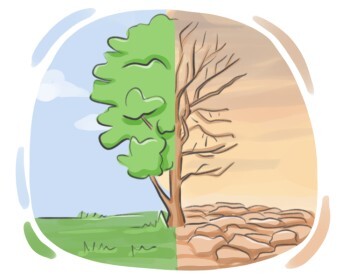
a permanent change in global or regional climate patterns, including temperature, wind, and rainfall
klímaváltozás, globális felmelegedés
A klímaváltozás változásokat okoz a mezőgazdasági gyakorlatban.
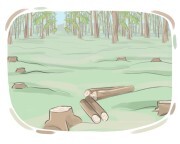
the extensive removal of forests, typically causing environmental damage
erdőirtás, erdőpusztítás
A kormányok törvényeket hoznak a erdőirtás lassítására és az erdők védelmére.
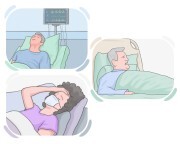
an illness in a human, animal, or plant that affects health
betegség, kór
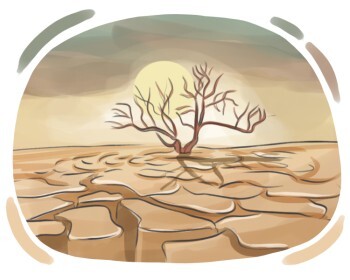
a long period of time when there is not much raining
aszály, vízhiány
Az aszály súlyos növényzeti veszteséget okozott.
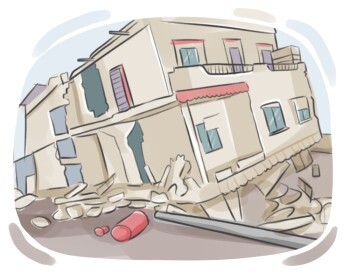
the sudden movement and shaking of the earth's surface, usually causing damage
földrengés, rengés
Az ország egy földrengések hajlamos régiójában található.
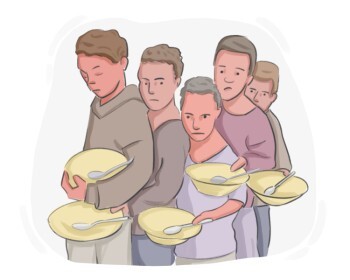
a situation where there is not enough food that causes hunger and death
éhínség, élelmiszerhiány
Sok farmer elvesztette állatait az éhínség alatt.
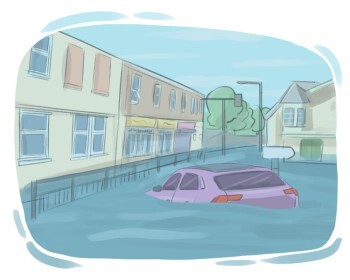
to become covered or filled with water
eláraszt
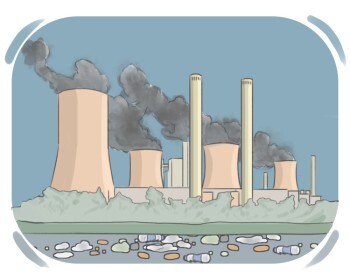
a change in water, air, etc. that makes it harmful or dangerous
szennyezés, környezetszennyezés
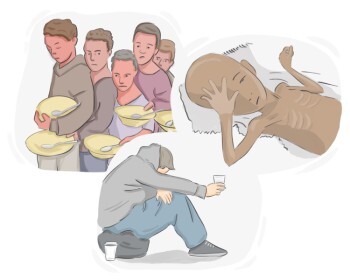
the condition of lacking enough money or income to afford basic needs like food, clothing, etc.
szegénység
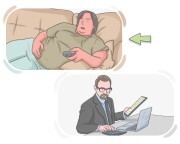
the state of being without a job
munkanélküliség, állás nélkül
the process of people moving from rural areas to urban areas, resulting in the growth of cities and the expansion of urban areas
urbanizáció, városfejlődés
Az ország urbanizációs aránya az elmúlt években nőtt.
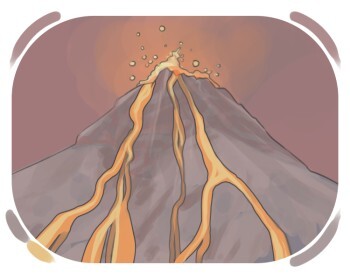
the sudden release of lava, gases, and ash from a volcano
vulkánkitörés, vulkáni kitörés
Egy hatalmas vulkánkitörés elpusztította a közeli falvakat.
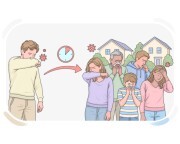
the rapid spread of an infectious disease within a specific population, community, or region, affecting a significant number of individuals at the same time
járvány, betegségkitörés
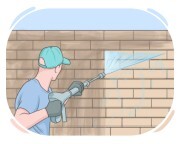
to clean something by using water to make the dirt or other substances go away
lemos, tisztít
A heves eső segített lemosni a koszt a ház külső falairól.
causing severe damage, destruction, or emotional distress
pusztító, romboló
A hurrikán pusztító hatásának megfigyelése a partmenti közösségeken szívszorító volt.
the act or process of making a substance or place dirty or polluted, especially by dangerous substances
szennyeződés, kontamináció
A gyárat a levegő szennyezése miatt bírságolták.
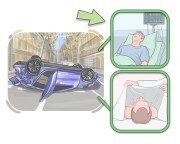
to remain alive after enduring a specific hazardous or critical event
túlél, fennmarad
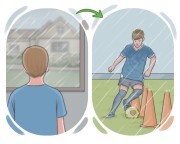
used to show that something happened or is true, even though there was a difficulty or obstacle that might have prevented it
ellenére, annak ellenére
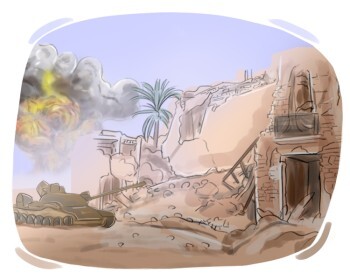
to cause damage to something in a way that it no longer exists, works, etc.
elpusztít, tönkretesz
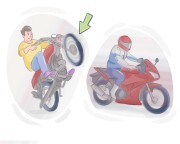
the likelihood of experiencing harm, damage, or injury
veszély, kockázat

a substance that can cause illness or death if it enters the body
méreg, méreg
