pattern

Il libro Insight - Intermedio - Unità 4 - 4A

Qui troverai il vocabolario dell'Unità 4 - 4A del libro di corso Insight Intermediate, come "rilocalizzare", "deforestazione", "evacuare", ecc.

Revisione

Flashcard

forme

Ortografia

Quiz

Inizia a imparare
Insight - Intermediate
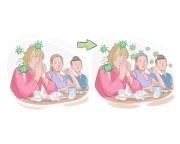
to spread
to spread
[Verbo]

to extend or increase in influence or effect over a larger area or group of people

diffondere
diffondere

Ex: The new trend spread rapidly among young people. 

La nuova tendenza si è diffusa rapidamente tra i giovani.

Chiudi
Accedi
to relocate

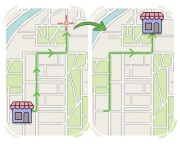
to move to a new place or position

trasferire, rilocalizzare

trasferire, rilocalizzare

Ex: The company decided to relocate its headquarters to a more centralized location. 

L'azienda ha deciso di trasferire la sua sede in una posizione più centralizzata.
Chiudi
Accedi
to die out
to die out
[Verbo]

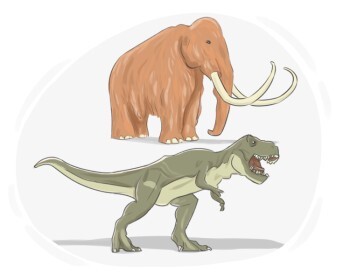
to completely disappear or cease to exist

estinguersi

estinguersi

Ex: By the end of the century, experts fear that some ecosystems will have died out due to climate change. 

Entro la fine del secolo, gli esperti temono che alcuni ecosistemi scompariranno a causa del cambiamento climatico.
Chiudi
Accedi
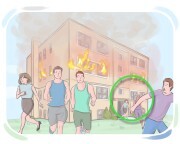
to evacuate

to leave a place to be safe from a dangerous situation

evacuare

evacuare

Ex: A chemical spill near the industrial area prompted citizens to evacuate nearby neighborhoods. 

Uno sversamento chimico vicino all'area industriale ha spinto i cittadini a evacuare i quartieri vicini.

Chiudi
Accedi
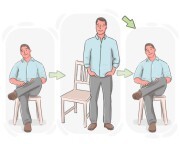
to preserve

to cause something to remain in its original state without any significant change

preservare
preservare

Ex: Historical artifacts are preserved in museums to maintain their original condition. 

I manufatti storici sono preservati nei musei per mantenerne le condizioni originali.

Chiudi
Accedi
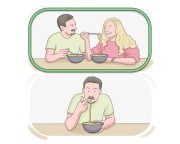
again
again
[avverbio]

for one more instance

ancora, di nuovo
ancora, di nuovo

Ex: He apologized for the mistake and promised it wouldn't happen again. 

Si è scusato per l'errore e ha promesso che non sarebbe successo di nuovo.

Chiudi
Accedi
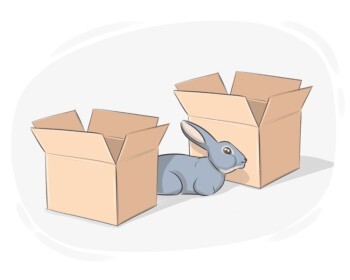
together
together
[avverbio]

in the company of or in proximity to another person or people

insieme

insieme

Ex: My friends and I traveled together to Spain last summer. 

I miei amici e io abbiamo viaggiato insieme in Spagna l'estate scorsa.
Chiudi
Accedi
between
between
[avverbio]

in or through the space that separates two or more things or people

tra

tra

Ex: He divided his time between work and family commitments. 

Ha diviso il suo tempo tra il lavoro e gli impegni familiari.

Chiudi
Accedi
enough
enough
[avverbio]

to a degree or extent that is sufficient or necessary

abbastanza
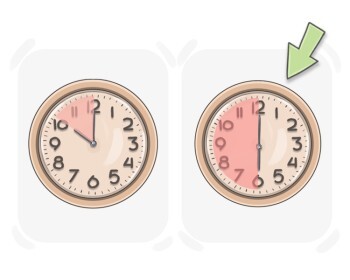
abbastanza

Ex: Did you sleep enough last night to feel refreshed today? 

Hai dormito abbastanza la scorsa notte per sentirti rinfrescato oggi?

Chiudi
Accedi
half
half
[sostantivo]

either one of two equal parts of a thing

mezzo
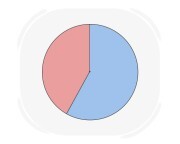
mezzo

Ex: Please take this half and give the other to your brother. 

Per favore prendi questa metà e dai l'altra a tuo fratello.

Chiudi
Accedi
partly
partly
[avverbio]

to a specific extent or degree

in parte

in parte

Ex: The painting is partly abstract and partly realistic. 

Il dipinto è in parte astratto e in parte realistico.

Chiudi
Accedi
too much
too much
[avverbio]

beyond the appropriate or necessary amount, often to a point that is undesirable or harmful

troppo
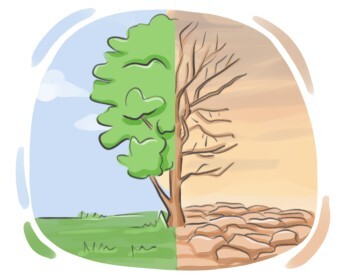
troppo

Ex: The heat outside is too much for me to handle. 

Il caldo fuori è troppo per me.

Chiudi
Accedi
climate change
climate change
[sostantivo]

a permanent change in global or regional climate patterns, including temperature, wind, and rainfall

cambiamenti climatici

cambiamenti climatici

Ex: The effects of climate change are evident in our changing weather patterns. 

Gli effetti del cambiamento climatico sono evidenti nei nostri modelli meteorologici che cambiano.
Chiudi
Accedi
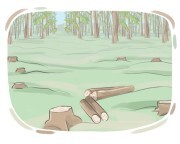
deforestation
deforestation
[sostantivo]

the extensive removal of forests, typically causing environmental damage

deforestazione

deforestazione

Ex: Activists are protesting against companies responsible for massive deforestation. 

Gli attivisti stanno protestando contro le aziende responsabili della deforestazione massiccia.
Chiudi
Accedi
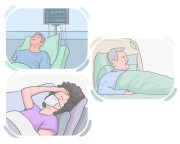
disease
disease
[sostantivo]

an illness in a human, animal, or plant that affects health

malattia
malattia

Ex: The disease is spreading rapidly through the population. 

La malattia si sta diffondendo rapidamente tra la popolazione.

Chiudi
Accedi
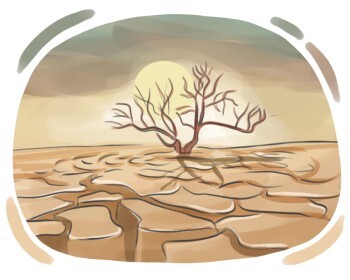
drought
drought
[sostantivo]

a long period of time when there is not much raining

siccità

siccità

Ex: The severe drought affected both human and animal populations. 

La grave siccità ha colpito sia le popolazioni umane che animali.
Chiudi
Accedi
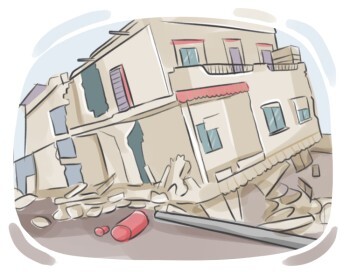
earthquake
earthquake
[sostantivo]

the sudden movement and shaking of the earth's surface, usually causing damage

terremoto

terremoto

Ex: The sudden earthquake startled everyone in the city. 

L'improvviso terremoto ha spaventato tutti in città.
Chiudi
Accedi
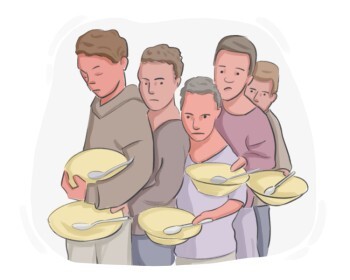
famine
famine
[sostantivo]

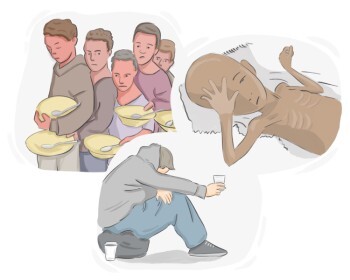
a situation where there is not enough food that causes hunger and death

carestia

carestia

Ex: The famine caused great suffering among the population. 

La carestia ha causato grandi sofferenze tra la popolazione.
Chiudi
Accedi
to flood
to flood
[Verbo]

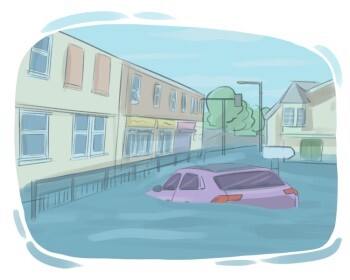
to become covered or filled by water

allagare

allagare

Ex: Heavy rains caused the river to flood nearby villages. 

Le forti piogge hanno fatto sì che il fiume allagasse i villaggi vicini.

Chiudi
Accedi
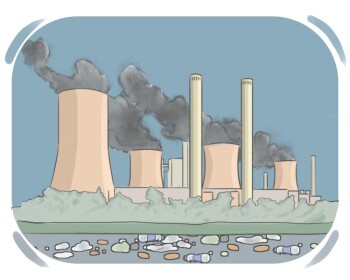
pollution
pollution
[sostantivo]

a change in water, air, etc. that makes it harmful or dangerous

contaminazione
contaminazione

Ex: The pollution caused by plastic waste is a growing environmental crisis. 

L'inquinamento causato dai rifiuti di plastica è una crisi ambientale crescente.

Chiudi
Accedi
poverty
poverty
[sostantivo]

the condition of lacking enough money or income to afford basic needs like food, clothing, etc.

povertà
povertà

Ex: The charity focuses on providing food and shelter to those living in poverty. 

L'organizzazione benefica si concentra sul fornire cibo e riparo a coloro che vivono in povertà.

Chiudi
Accedi
unemployment
unemployment
[sostantivo]

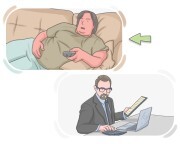
the state of being without a job

disoccupazione

disoccupazione

Ex: Many people faced long-term unemployment during the global financial crisis. 

Molte persone hanno affrontato una disoccupazione di lungo termine durante la crisi finanziaria globale.

Chiudi
Accedi
urbanization
urbanization
[sostantivo]

the process of people moving from rural areas to urban areas, resulting in the growth of cities and the expansion of urban areas

urbanizzazione, inurbamento

urbanizzazione, inurbamento

Ex: The book discusses the history of urbanization. 

Il libro discute la storia dell'urbanizzazione.
Chiudi
Accedi
volcanic eruption
volcanic eruption
[sostantivo]

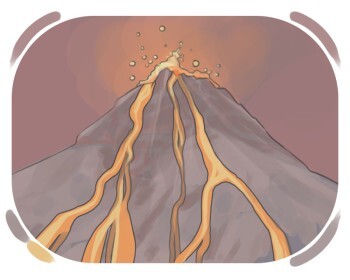
the sudden release of lava, gases, and ash from a volcano

eruzione vulcanica

eruzione vulcanica

Ex: A volcanic eruption can significantly alter the landscape. 

Un'eruzione vulcanica può alterare significativamente il paesaggio.
Chiudi
Accedi
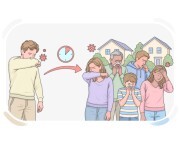
epidemic
epidemic
[sostantivo]

the rapid spread of an infectious disease within a specific population, community, or region, affecting a significant number of individuals at the same time

epidemia
epidemia

Ex: The epidemic put a strain on the healthcare system. 

L'epidemia ha messo a dura prova il sistema sanitario.

Chiudi
Accedi
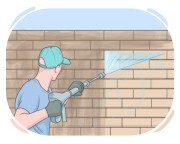
to wash away

to clean something by using water to make the dirt or other substances go away

lavare, pulire

lavare, pulire

Ex: In the laundry room, she used detergent to wash away the stains from her favorite shirt. 

Nella lavanderia, ha usato il detersivo per lavare via le macchie dalla sua camicia preferita.

Chiudi
Accedi
devastating
devastating
[aggettivo]

causing severe damage, destruction, or emotional distress

devastante, rovinoso

devastante, rovinoso

Ex: The hurricane had a devastating impact on the coastal town. 

L'uragano ha avuto un impatto devastante sulla città costiera.

Chiudi
Accedi
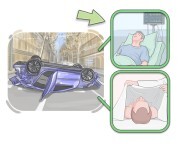
contamination
contamination
[sostantivo]

the act or process of making a substance or place dirty or polluted, especially by dangerous substances

contaminazione

contaminazione

Ex: Chemical contamination harmed marine life. 

La contaminazione chimica ha danneggiato la vita marina.
Chiudi
Accedi
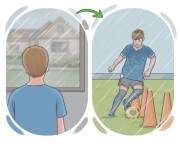
to survive
to survive
[Verbo]

to remain alive after enduring a specific hazardous or critical event

sopravvivere
sopravvivere

Ex: Following the explosion that demolished his home, he had to take shelter in order to survive. 

A seguito dell'esplosione che ha demolito la sua casa, ha dovuto mettersi al riparo per sopravvivere.

Chiudi
Accedi
despite
despite
[Preposizione]

used to show that something happened or is true, even though there was a difficulty or obstacle that might have prevented it

nonostante
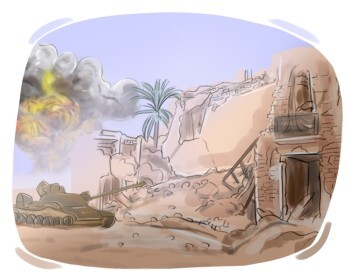
nonostante

Ex: She smiled despite the bad news. 

Lei sorrise nonostante la cattiva notizia.

Chiudi
Accedi
to destroy
to destroy
[Verbo]

to cause damage to something in a way that it no longer exists, works, etc.

distruggere
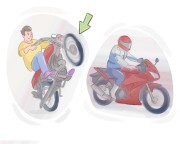
distruggere

Ex: Right now, the construction work is actively destroying the natural habitat of some endangered species. 

In questo momento, i lavori di costruzione stanno attivamente distruggendo l'habitat naturale di alcune specie in via di estinzione.

Chiudi
Accedi
danger
danger
[sostantivo]

the likelihood of experiencing harm, damage, or injury

pericolo

pericolo

Ex: Drinking and driving poses a danger. 

Bere e guidare rappresenta un pericolo.

Chiudi
Accedi
poison
poison
[sostantivo]

a deadly substance that can kill or seriously harm if it enters the body

veleno

veleno

Ex: The bottle was clearly labeled as containing a dangerous poison. 

La bottiglia era chiaramente etichettata come contenente un veleno pericoloso.

Chiudi
Accedi
LanGeek
Scarica l'app LanGeek