Insight - Intermediate - Unit 4 - 4A

Here you will find the vocabulary from Unit 4 - 4A in the Insight Intermediate coursebook, such as "relocate", "deforestation", "evacuate", etc.

review-disable

review

flashcard-disable

flashcard

spelling-disable

spelling

quiz-disable

quiz

start-learning
Insight - Intermediate

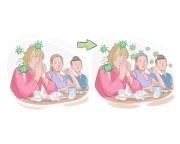
to extend or increase in influence or effect over a larger area or group of people
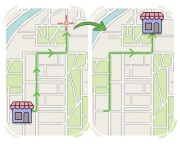
Ex: The excitement of the victory spread to the fans .

to move to a new place or position

Ex: The multinational corporation decided to relocate some of its staff to overseas branches .

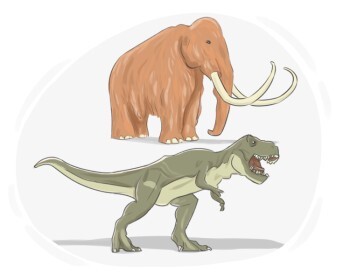
to completely disappear or cease to exist
Ex: The ancient language has sadly died out over the centuries .

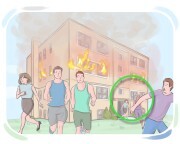
to leave a place to be safe from a dangerous situation

Ex: In anticipation of the approaching hurricane , coastal communities were urged to evacuate .

to cause something to remain in its original state without any significant change

Ex: The library 's climate control system helps preserve rare books from damage .
again [adverb]

for one more instance

Ex: He failed the test but decided to try again next semester .
together [adverb]

in the company of or in proximity to another person or people
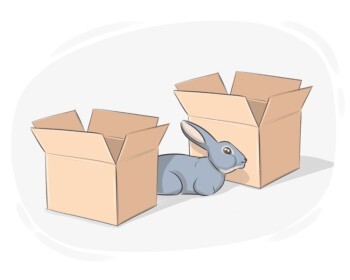
Ex: They traveled together across Europe last summer .
between [adverb]

in or through the space that separates two or more things or people

Ex:
enough [adverb]

to a degree or extent that is sufficient or necessary
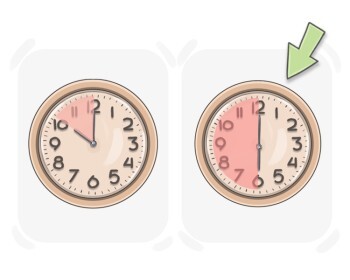
Ex: I hope you have eaten enough for lunch .
half [noun]

either one of two equal parts of a thing

Ex: The donation was split into equal halves for both charities .
partly [adverb]

to a specific extent or degree

Ex: The road was blocked , partly by snow and partly by fallen trees .
too much [adverb]

beyond the appropriate or necessary amount, often to a point that is undesirable or harmful
Ex:

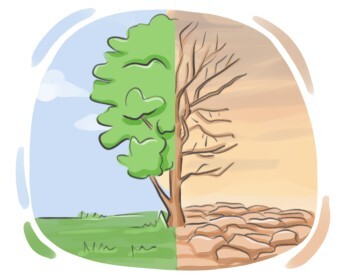
a permanent change in global or regional climate patterns, including temperature, wind, and rainfall
Ex: Droughts and floods are becoming more frequent due to climate change .

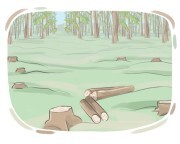
the extensive removal of forests, typically causing environmental damage
Ex: Rapid deforestation has destroyed the habitats of countless wildlife species .
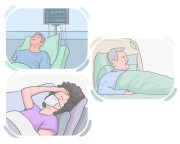
disease [noun]

an illness in a human, animal, or plant that affects health
Ex: She campaigns for awareness of the disease .
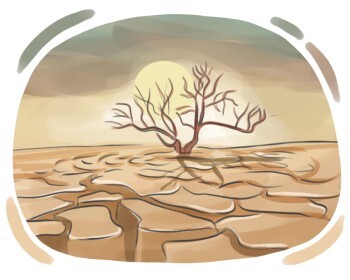
drought [noun]

a long period of time when there is not much raining
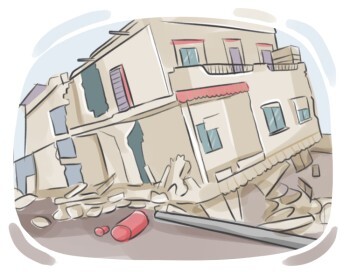
Ex: The farmers prayed for rain as the drought continued .

the sudden movement and shaking of the earth's surface, usually causing damage
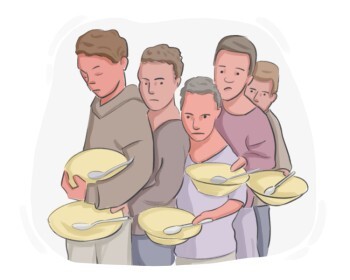
Ex: The earthquake triggered a tsunami warning .
famine [noun]

a situation where there is not enough food that causes hunger and death
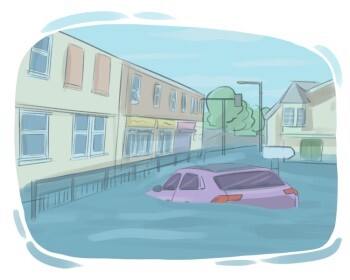
Ex: The drought led to a severe famine in the region .
to flood [verb]

to become covered or filled by water

Ex: The dam was built to prevent the lake from flooding the surrounding neighborhoods during heavy rainfall .

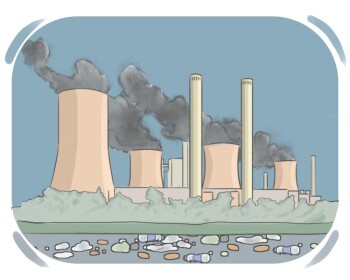
a change in water, air, etc. that makes it harmful or dangerous
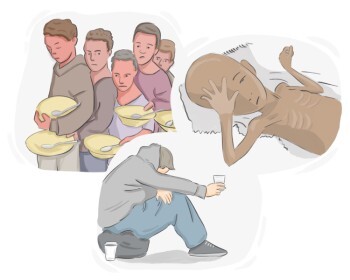
Ex: Due to the severe pollution , many species of birds no longer visit the area .
poverty [noun]

the condition of lacking enough money or income to afford basic needs like food, clothing, etc.

Ex: Education is seen as a key to escaping the cycle of poverty .

the state of being without a job

Ex: He took on temporary work to make ends meet during a period of unemployment .

the process of people moving from rural areas to urban areas, resulting in the growth of cities and the expansion of urban areas
Ex: Urbanization creates both opportunities and challenges .

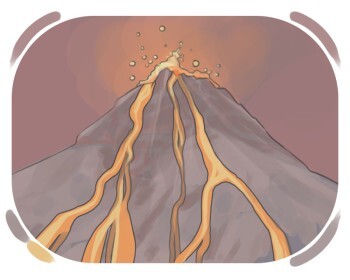
the sudden release of lava, gases, and ash from a volcano

Ex: The volcanic eruption was felt as far as 100 miles away .
epidemic [noun]

the rapid spread of an infectious disease within a specific population, community, or region, affecting a significant number of individuals at the same time

Ex: The flu epidemic affected thousands of people last winter .

to clean something by using water to make the dirt or other substances go away

Ex: The janitor worked diligently to wash away the stubborn stains in the school hallway .
devastating [adjective]

causing severe damage, destruction, or emotional distress

Ex: The devastating consequences of climate change are becoming increasingly evident around the world .

the act or process of making a substance or place dirty or polluted, especially by dangerous substances
Ex: Food contamination can cause illness .

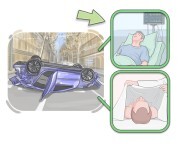
to remain alive after enduring a specific hazardous or critical event
Ex: The sailors were lost at sea for weeks but their resourcefulness helped them survive .
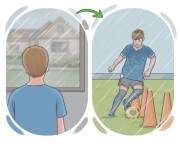
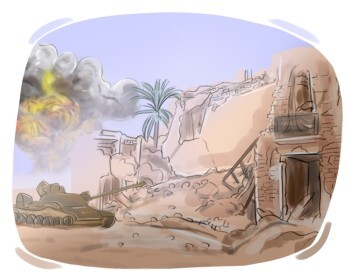
despite [preposition]

used to show that something happened or is true, even though there was a difficulty or obstacle that might have prevented it
Ex:

to cause damage to something in a way that it no longer exists, works, etc.
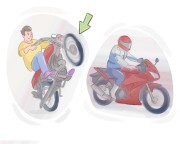
Ex: Yesterday , the fire tragically destroyed the old library , consuming many valuable books .
danger [noun]

the likelihood of experiencing harm, damage, or injury

Ex: Ignoring lab safety rules is risky and can lead to danger .
poison [noun]

a deadly substance that can kill or seriously harm if it enters the body

Ex: The forensic team analyzed the victim 's blood for traces of poison .