
pattern

Boek Insight - Intermediate - Eenheid 4 - 4A

Hier vindt u de woordenschat uit Unit 4 - 4A in het Insight Intermediate cursusboek, zoals "verhuizen", "ontbossing", "evacueren", enz.

Herzien

Flashcards

vormen

Spelling

Quiz

Begin met leren
Insight - Intermediate
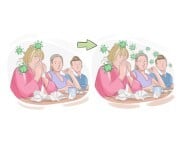
to spread
to spread
[werkwoord]

to extend or increase in influence or effect over a larger area or group of people

verspreiden, uitbreiden

verspreiden, uitbreiden

Ex: The flu virus can easily spread in crowded places. 
Sluiten
Inloggen
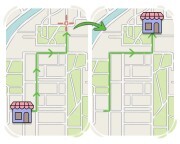
to relocate
to relocate
[werkwoord]

to move to a new place or position

verhuizen, herlokaliseren

verhuizen, herlokaliseren

Ex: The company decided to relocate its headquarters to a more centralized location. 
Sluiten
Inloggen
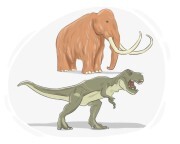
to die out
to die out
[werkwoord]

to completely disappear or cease to exist

volledig verdwijnen, uitsterven

volledig verdwijnen, uitsterven

Ex: Some endangered species are at risk of dying out due to habitat loss. 
Sluiten
Inloggen
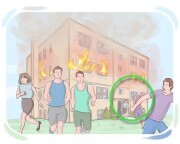
to evacuate
to evacuate
[werkwoord]

to leave a place to be safe from a dangerous situation

evacueren, verlaten

evacueren, verlaten

Ex: As the wildfire rapidly approached the neighborhood, residents were instructed to evacuate immediately. 
Sluiten
Inloggen
to preserve
to preserve
[werkwoord]

to cause something to remain in its original state without any significant change

bewaren, behouden

bewaren, behouden

Ex: Historical artifacts are preserved in museums to maintain their original condition. 
Sluiten
Inloggen
again
again
[bijwoord]

for one more instance

opnieuw, nogmaals

opnieuw, nogmaals

Ex: He apologized for the mistake and promised it wouldn't happen again. 
Sluiten
Inloggen
together
together
[bijwoord]

in the company of or in proximity to another person or people

samen, met

samen, met

Ex: We walked together through the quiet streets. 
Sluiten
Inloggen
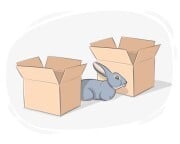
between
between
[bijwoord]

in or through the space that separates two or more things or people

tussen, in het midden van

tussen, in het midden van

Ex: The cat squeezed between the fence posts to get into the garden. 
Sluiten
Inloggen
enough
enough
[bijwoord]

to a degree or extent that is sufficient or necessary

genoeg, voldoende

genoeg, voldoende

Ex: The team had trained hard and believed they were fit enough for the upcoming match. 
Sluiten
Inloggen
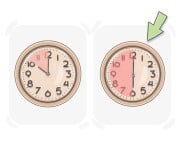
half
half
[zelfstandig naamwoord]

either one of two equal parts of a thing

helft, half

helft, half

Ex: I ate a sandwich and a half for lunch. 
Sluiten
Inloggen
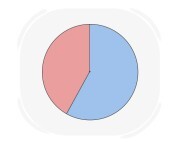
partly
partly
[bijwoord]

to a specific extent or degree

gedeeltelijk, tot op zekere hoogte

gedeeltelijk, tot op zekere hoogte

Ex: The project was successful partly due to her leadership. 
Sluiten
Inloggen
too much
too much
[bijwoord]

beyond the appropriate or necessary amount, often to a point that is undesirable or harmful

te veel, overmatig

te veel, overmatig

Ex: She ate too much food at the party. 
Sluiten
Inloggen
climate change
climate change
[zelfstandig naamwoord]

a permanent change in global or regional climate patterns, including temperature, wind, and rainfall

klimaatverandering, opwarming van de aarde

klimaatverandering, opwarming van de aarde

Ex: Climate change is a major concern for future generations. 
Sluiten
Inloggen
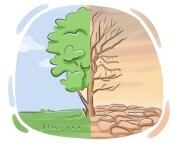
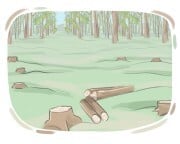
deforestation
deforestation
[zelfstandig naamwoord]

the extensive removal of forests, typically causing environmental damage

ontbossing, kap van bossen

ontbossing, kap van bossen

Ex: Large-scale deforestation is driven by the demand for agricultural land. 
Sluiten
Inloggen
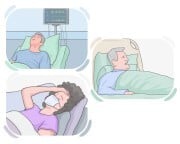
disease
disease
[zelfstandig naamwoord]

an illness in a human, animal, or plant that affects health

ziekte, aandoening

ziekte, aandoening

Ex: Many are working tirelessly to eradicate this deadly disease. 
Sluiten
Inloggen
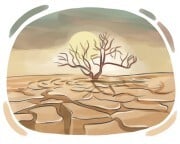
drought
drought
[zelfstandig naamwoord]

a long period of time when there is not much raining

droogte, watertekort

droogte, watertekort

Ex: The city imposed water restrictions because of the drought. 
Sluiten
Inloggen
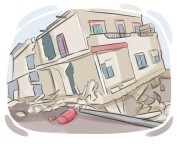
earthquake
earthquake
[zelfstandig naamwoord]

the sudden movement and shaking of the earth's surface, usually causing damage

aardbeving, beving

aardbeving, beving

Ex: People ran out of their homes when the earthquake started. 
Sluiten
Inloggen
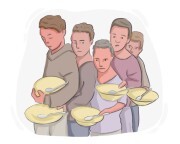
famine
famine
[zelfstandig naamwoord]

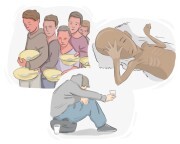
a situation where there is not enough food that causes hunger and death

hongersnood, voedseltekort

hongersnood, voedseltekort

Ex: Many children were orphaned as a result of the famine. 
Sluiten
Inloggen
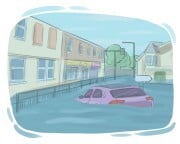
to flood
to flood
[werkwoord]

to become covered or filled by water

overstromen, onder water zetten

overstromen, onder water zetten

Ex: Emergency services were on high alert as the storm threatened to flood the coastal towns. 
Sluiten
Inloggen
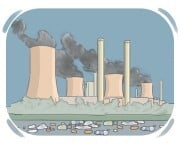
pollution
pollution
[zelfstandig naamwoord]

a change in water, air, etc. that makes it harmful or dangerous

vervuiling, verontreiniging

vervuiling, verontreiniging

Ex: The pollution in the lake has made the water toxic to fish and plants. 
Sluiten
Inloggen
poverty
poverty
[zelfstandig naamwoord]

the condition of lacking enough money or income to afford basic needs like food, clothing, etc.

armoede

armoede

Ex: Many families in the area live in poverty and struggle to access basic services. 
Sluiten
Inloggen
unemployment
unemployment
[zelfstandig naamwoord]

the state of being without a job

werkloosheid, zonder baan

werkloosheid, zonder baan

Ex: She struggled with unemployment after being laid off from her job at the factory. 
Sluiten
Inloggen
urbanization
urbanization
[zelfstandig naamwoord]

the process of people moving from rural areas to urban areas, resulting in the growth of cities and the expansion of urban areas

verstedelijking, urbanisatie

verstedelijking, urbanisatie

Ex: Rapid urbanization has changed many small towns. 
Sluiten
Inloggen
volcanic eruption
volcanic eruption
[zelfstandig naamwoord]

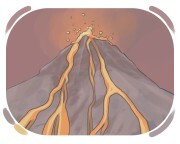
the sudden release of lava, gases, and ash from a volcano

vulkaanuitbarsting, uitbarsting van een vulkaan

vulkaanuitbarsting, uitbarsting van een vulkaan

Ex: The volcanic eruption sent ash clouds high into the sky. 
Sluiten
Inloggen
epidemic
epidemic
[zelfstandig naamwoord]

the rapid spread of an infectious disease within a specific population, community, or region, affecting a significant number of individuals at the same time

epidemie, uitbraak van een ziekte

epidemie, uitbraak van een ziekte

Ex: The epidemic caused a surge in hospital admissions. 
Sluiten
Inloggen
to wash away
to wash away
[werkwoord]

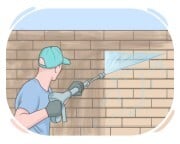
to clean something by using water to make the dirt or other substances go away

wegwassen, schoonmaken

wegwassen, schoonmaken

Ex: He used a power washer to wash away the graffiti on the side of the building. 
Sluiten
Inloggen
devastating
devastating
[bijvoeglijk naamwoord]

causing severe damage, destruction, or emotional distress

verwoestend, vernietigend

verwoestend, vernietigend

Ex: The devastating earthquake left the city in ruins, with many lives lost and homes destroyed. 
Sluiten
Inloggen
contamination
contamination
[zelfstandig naamwoord]

the act or process of making a substance or place dirty or polluted, especially by dangerous substances

besmetting, vervuiling

besmetting, vervuiling

Ex: Water contamination poses serious health risks. 
Sluiten
Inloggen
to survive
to survive
[werkwoord]

to remain alive after enduring a specific hazardous or critical event

overleven, voortbestaan

overleven, voortbestaan

Ex: After the plane crash, the survivors had to find shelter and food while waiting for rescue, managing to survive against all odds. 
Sluiten
Inloggen
despite
despite
[Voorzetsel]

used to show that something happened or is true, even though there was a difficulty or obstacle that might have prevented it

ondanks, niettemin

ondanks, niettemin

Ex: The business thrived despite the economic downturn. 
Sluiten
Inloggen
to destroy
to destroy
[werkwoord]

to cause damage to something in a way that it no longer exists, works, etc.

vernietigen, verwoesten

vernietigen, verwoesten

Ex: Environmental pollution often destroys delicate ecosystems and harms wildlife. 
Sluiten
Inloggen
danger
danger
[zelfstandig naamwoord]

the likelihood of experiencing harm, damage, or injury

gevaar,  risico

gevaar, risico

Ex: Drinking and driving poses a danger. 
Sluiten
Inloggen
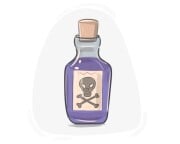
poison
poison
[zelfstandig naamwoord]

a deadly substance that can kill or seriously harm if it enters the body

gif, vergif

gif, vergif

Ex: The scientist studied the effects of poison on the nervous system. 
Sluiten
Inloggen
LanGeek
LanGeek app downloaden