
Książka Insight - Średnio zaawansowany - Jednostka 4 - 4A
Tutaj znajdziesz słownictwo z Jednostki 4 - 4A w podręczniku Insight Intermediate, takie jak "przenieść", "wylesianie", "ewakuować" itp.
Przegląd
Fiszki
formy
Pisownia
Test

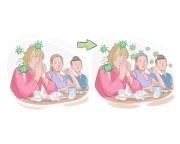
to extend or increase in influence or effect over a larger area or group of people

rozprzestrzeniać, rozsiewać
W miarę pogarszania się suszy, niedobór wody rozprzestrzenił się na całym obszarze.
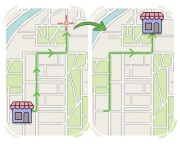
to move to a new place or position
przenieść się, przemieszczać
Korporacja międzynarodowa zdecydowała się przenieść część swojego personelu do oddziałów zagranicznych.
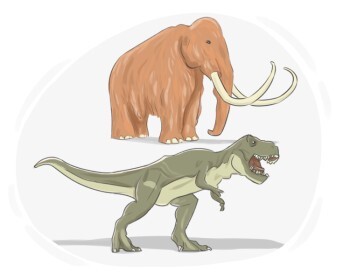
to completely disappear or cease to exist
całkowicie zniknąć, wymrzeć
Bez odpowiedniej interwencji niektóre gatunki zwierząt mogą wymrzeć w nadchodzących latach.
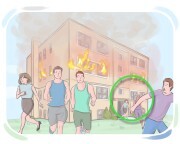
to leave a place to be safe from a dangerous situation
ewakuować, opuszczać
Z przepełnionymi brzegami rzeki miasto zostało zmuszone do ewakuacji.

to cause something to remain in its original state without any significant change
zachować, zabezpieczyć
System kontroli klimatu w bibliotece pomaga zachować rzadkie książki przed uszkodzeniem.
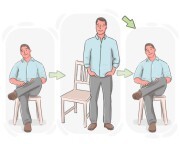
for one more instance
jeszcze raz, ponownie
Dziecko obudziło się płacząc znowu o 3 nad ranem.
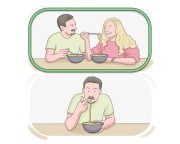
in the company of or in proximity to another person or people
razem, z
Ona i jej przyjaciółka siedziały razem na ławce.
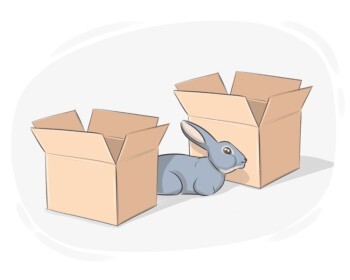
in or through the space that separates two or more things or people
między, pośrodku
Istnieje zauważalna różnica między dwoma produktami pod względem jakości.

to a degree or extent that is sufficient or necessary
wystarczająco, dość
Zespół ciężko trenował i wierzył, że jest wystarczająco sprawny na nadchodzący mecz.
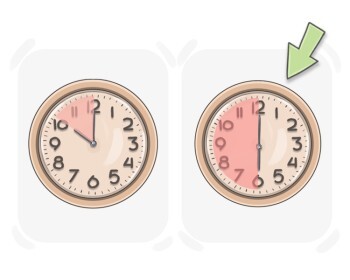
either one of two equal parts of a thing
połowa, pół
Zjadłem kanapkę i połowę na lunch.
to a specific extent or degree
częściowo, w pewnym stopniu
Jej złość była częściowo uzasadniona.

beyond the appropriate or necessary amount, often to a point that is undesirable or harmful
zbyt dużo, nadmiernie
W procesie jest za dużo papierkowej roboty.
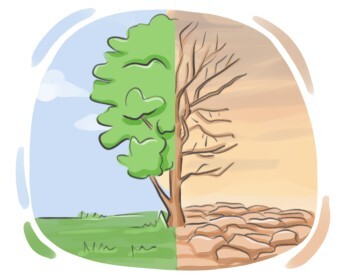
a permanent change in global or regional climate patterns, including temperature, wind, and rainfall
zmiana klimatu, globalne ocieplenie
Niektóre gatunki są zagrożone wyginięciem z powodu zmian klimatu.
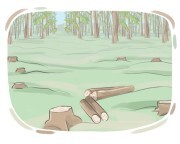
the extensive removal of forests, typically causing environmental damage
wylesianie, wycinka lasów
Wylesianie zboczy górskich zwiększa ryzyko osuwisk.
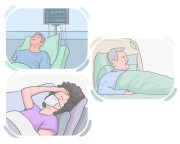
an illness in a human, animal, or plant that affects health
choroba, schorzenie
Ona bada lek na rzadką chorobę.
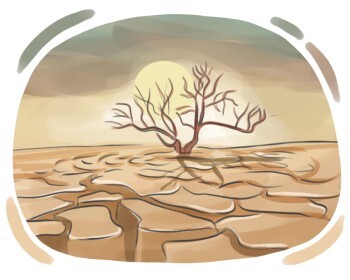
a long period of time when there is not much raining
susza, brak wody
Rząd ogłosił stan wyjątkowy z powodu suszy.
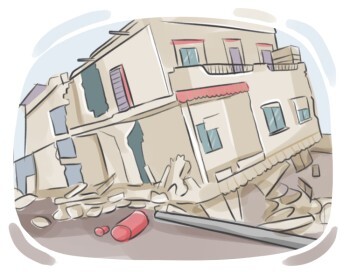
the sudden movement and shaking of the earth's surface, usually causing damage
trzęsienie ziemi, wstrząs
Po trzęsieniu ziemi nastąpiło kilka wstrząsów wtórnych.
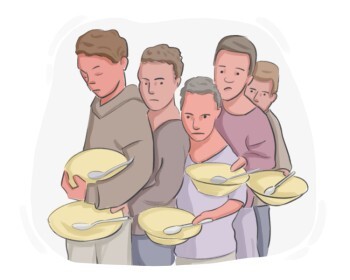
a situation where there is not enough food that causes hunger and death
głód, niedobór żywności
Głód dotknął zarówno obszary wiejskie, jak i miejskie.
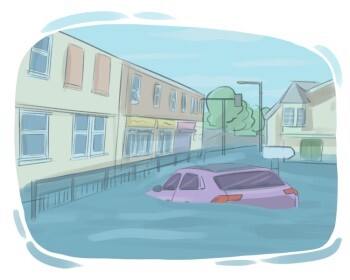
to become covered or filled by water
zalewać, wylewać
Kiedy piwnica zaczęła zalewać, szybko przenieśli swoje rzeczy na wyższy teren, aby uniknąć szkód.
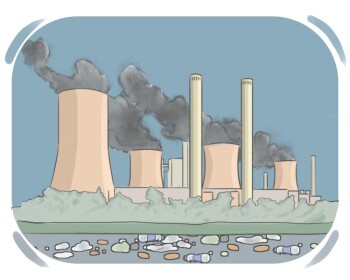
a change in water, air, etc. that makes it harmful or dangerous
zanieczyszczenie, skażenie
Wycieki ropy są formą zanieczyszczenia, która znacznie uszkadza ekosystemy morskie.
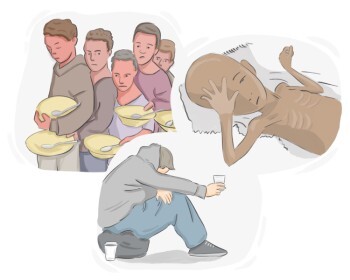
the condition of lacking enough money or income to afford basic needs like food, clothing, etc.
ubóstwo
Pomimo starań o poprawę warunków, ubóstwo nadal dotyka miliony ludzi na całym świecie.
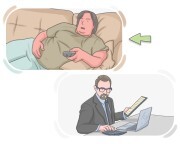
the state of being without a job
bezrobocie, brak pracy
Pomimo swoich kwalifikacji, zmagał się z bezrobociem przez ponad sześć miesięcy.
the process of people moving from rural areas to urban areas, resulting in the growth of cities and the expansion of urban areas
urbanizacja, rozwój miast
Skutki urbanizacji obejmują przeludnienie i zanieczyszczenie.
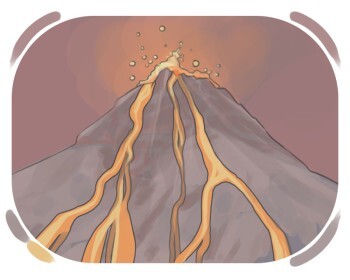
the sudden release of lava, gases, and ash from a volcano
erupcja wulkanu, wybuch wulkanu
Law z erupcji wulkanu spłynęła do oceanu.
the rapid spread of an infectious disease within a specific population, community, or region, affecting a significant number of individuals at the same time
epidemia, wybuch choroby
Rząd rozpoczął kampanię szczepień podczas epidemii.
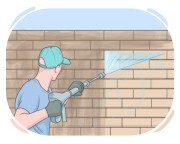
to clean something by using water to make the dirt or other substances go away
zmywać, czyścić
Użyli węża wysokociśnieniowego, aby zmyć błoto ze sprzętu budowlanego.
causing severe damage, destruction, or emotional distress
dewastujący, niszczycielski
Pożar był dewastujący, pozostawiając budynek w ruinach.
the act or process of making a substance or place dirty or polluted, especially by dangerous substances
zanieczyszczenie, kontaminacja
Zanieczyszczenie gleby wpływa na rolnictwo.
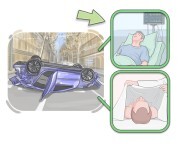
to remain alive after enduring a specific hazardous or critical event
przetrwać, przeżyć
Pomimo poważnych obrażeń spowodowanych wybuchem, żołnierz zdołał doczołgać się do bezpiecznego miejsca i przeżył do przybycia medyków.
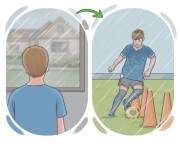
used to show that something happened or is true, even though there was a difficulty or obstacle that might have prevented it
pomimo, mimo
Biznes prosperował pomimo spowolnienia gospodarczego.
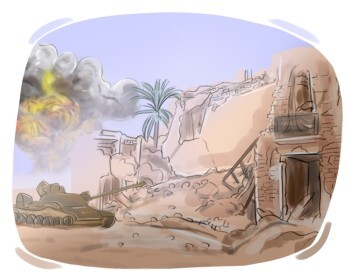
to cause damage to something in a way that it no longer exists, works, etc.
niszczyć, zniszczyć
Trzęsienie ziemi zniszczyło kilka budynków w centrum miasta.
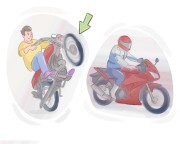
the likelihood of experiencing harm, damage, or injury
niebezpieczeństwo, ryzyko
Ignorowanie zasad bezpieczeństwa w laboratorium jest ryzykowne i może prowadzić do niebezpieczeństwa.

a deadly substance that can kill or seriously harm if it enters the body
trucizna, jad
Zanieczyszczenie środowiska może działać jako forma trucizny dla ekosystemów.
