
Buku Headway - Lanjutan - Kata Terakhir (Unit 2)
Di sini Anda akan menemukan kosakata dari Unit 2 The Last Word di buku pelajaran Headway Advanced, seperti "kontraksi", "apostrof", "proofread", dll.
Tinjauan
Kartu flash
Ejaan
Kuis

(grammar) a word that comes before a noun or pronoun to indicate location, direction, time, manner, or the relationship between two objects

preposisi, kata penghubung
Guru menjelaskan bahwa preposisi digunakan untuk menunjukkan hubungan antara kata benda dan bagian lain dari kalimat.

a construction in which an adverb or adverbial phrase is placed between the particle "to" and the base form of a verb
infinitif terpisah, infinitif terbelah
Beberapa ahli tata bahasa berpendapat bahwa infinitif terpisah harus dihindari, meskipun mereka umum digunakan dalam bahasa Inggris modern.
a short form of a word or a group of words used instead of the full form
kontraksi, bentuk pendek
Kontraksi "we've" berarti "we have".

a word or expression that connects words, phrases, or clauses
konjungsi, kata sambung
(in grammar) the form of a verb used when the grammatical subject is affected by the action of the verb, rather than performing it
kalimat pasif, bentuk pasif
Kalimat pasif terkadang dapat membuat kalimat terdengar lebih formal atau tidak personal.
a question that is not meant to be answered, but is instead used to make a point or to create emphasis or effect
pertanyaan retoris, pertanyaan bersifat retorik
Mengajukan pertanyaan retoris dapat membuat pidato lebih persuasif.

the symbol ' used in writing to show possession or omission of letters or numbers
tanda petik tunggal, simbol apostrof
Apostrof dalam "it's" membedakannya dari "its," yang bersifat posesif.

to read and correct the mistakes of a written or printed text
mengoreksi, menyunting
Dia mengoreksi postingan blognya beberapa kali sebelum mempublikasikannya secara online untuk memastikan mereka halus dan bebas dari kesalahan.
a type of pronoun that replaces a noun as the subject of a sentence
kata ganti subjek, kata ganti orang subjek
Daripada mengulangi nama, Anda menggunakan kata ganti subjek, seperti menggunakan "dia" alih-alih mengatakan "John".
(grammar) to have the same grammatical number, gender, case or person
setuju, sepakat
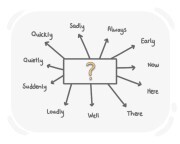
a word that gives more information about a verb, adjective, or another adverb
kata keterangan, kata yang memberikan informasi lebih lanjut tentang kata kerja
Satu kesalahan umum dalam bahasa Inggris adalah mengacaukan kata sifat dengan kata keterangan.

a verb that is used with other verbs to indicate tense, voice, etc., such as do, have, and be
kata kerja bantu
Belajar cara menggunakan kata kerja bantu dengan benar dapat sangat meningkatkan kemampuan untuk menyusun kalimat kompleks.
a group of words or a phrase that has a meaning different from the literal interpretation of its individual words, often specific to a particular language or culture
idiom, ungkapan idiomatik
Frasa 'spill the beans' adalah sebuah idiom yang berarti mengungkapkan rahasia, bukan secara harfiah menjatuhkan kacang.

a grammatical construction in which two negative elements are used within the same sentence, often resulting in a positive meaning
negatif ganda, ganda negatif
Kalimat "Kami belum melihat siapa pun" menggunakan negatif ganda, yang menyiratkan bahwa mereka telah melihat seseorang.
