
Книга Headway - Продвинутый уровень - Последнее Слово (Раздел 2)
Здесь вы найдете словарный запас из модуля 2 The Last Word учебника Headway Advanced, такие как "сокращение", "апостроф", "вычитка" и т.д.
Обзор
Флэш-карточки
Правописание
Тест

(grammar) a word that comes before a noun or pronoun to indicate location, direction, time, manner, or the relationship between two objects

предлог
Он использовал список распространённых предлогов, чтобы помочь исправить грамматические ошибки в сочинении.

a construction in which an adverb or adverbial phrase is placed between the particle "to" and the base form of a verb
разделенный инфинитив
"Тщательно рассмотреть варианты" — это пример разделенного инфинитива.
a short form of a word or a group of words used instead of the full form
сокращенная форма
В разговорной речи часто используются сокращения, такие как "не" и "не сделал".

(grammar) a word such as and, because, but, and or that connects phrases, sentences, or words
союз
Понимание того, как правильно использовать союзы, может улучшить плавность и ясность письма.
(in grammar) the form of a verb used when the grammatical subject is affected by the action of the verb, rather than performing it
страдательный залог
Страдательный залог часто используется, когда исполнитель действия неизвестен или неважен.
a question that is not meant to be answered, but is instead used to make a point or to create emphasis or effect
риторический вопрос
Он задал риторический вопрос, чтобы подчеркнуть свою точку зрения о справедливости.

the symbol ' used in writing to show possession or omission of letters or numbers
апостроф
Апостроф в "can't" указывает на пропуск буквы "o".
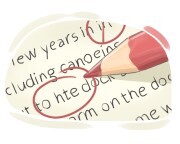
to read and correct the mistakes of a written or printed text
вычитывать корректуру
Прежде чем сдать свое эссе, она попросила друга проверить его на опечатки или грамматические ошибки.
a type of pronoun that replaces a noun as the subject of a sentence
подлежащее местоимение
Подлежащее местоимение, такое как «я» или «он», заменяет существительное подлежащее в предложении.
(grammar) to have the same grammatical number, gender, case or person
согласовываться, соответствовать
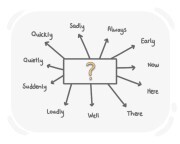
a word that gives more information about a verb, adjective, or another adverb
наречие
Наречие — это слово, которое показывает, как быстро что-то делается.

a verb that is used with other verbs to indicate tense, voice, etc., such as do, have, and be
вспомогательный глагол
Учитель объяснил, что вспомогательные глаголы, такие как 'have' и 'will', помогают образовывать различные времена и аспекты.
a group of words or a phrase that has a meaning different from the literal interpretation of its individual words, often specific to a particular language or culture
идиома
Идиома 'kick the bucket' означает умереть, и её значение совершенно отличается от буквального толкования удара по ведру.

a grammatical construction in which two negative elements are used within the same sentence, often resulting in a positive meaning
двойное отрицание
В стандартной грамматике двойное отрицание может вызвать путаницу, поскольку часто приводит к положительному значению.
| Книга Headway - Продвинутый уровень | |||
|---|---|---|---|
| Блок 1 | Последнее Слово (Раздел 1) | Раздел 2 | Последнее Слово (Раздел 2) |
| Раздел 3 | Последнее Слово (Раздел 3) | Раздел 4 | Раздел 5 |
| Последнее Слово (Блок 5) | Раздел 6 | Блок 7 | Последнее Слово (Блок 7) |
| Раздел 8 | Последнее Слово (Блок 8) | Блок 9 | Раздел 10 |
| Раздел 11 | Блок 12 | ||
