
Kniha Headway - Pokročilý - Poslední Slovo (Jednotka 2)
Zde najdete slovní zásobu z jednotky 2 The Last Word v učebnici Headway Advanced, jako je "kontrakce", "apostrof", "korektura" atd.
Revize
Kartičky
Pravopis
Kvíz

(grammar) a word that comes before a noun or pronoun to indicate location, direction, time, manner, or the relationship between two objects

předložka, vztahové slovo
« Setkáme se v 17 hodin. » « V » je předložka, která označuje čas.

a construction in which an adverb or adverbial phrase is placed between the particle "to" and the base form of a verb
rozštěpený infinitiv, oddělený infinitiv
Rozdělený infinitiv "rychle dokončit projekt" klade důraz na rychlost dokončení úkolu.
a short form of a word or a group of words used instead of the full form
kontrakce, zkrácená forma
Kontrakce se často používají v neformálním psaní a řeči.

a word or expression that connects words, phrases, or clauses
spojka
(in grammar) the form of a verb used when the grammatical subject is affected by the action of the verb, rather than performing it
trpný rod, pasivní forma
Mnoho vědeckých článků spoléhá na trpný rod, aby se soustředily na výzkum spíše než na výzkumníky.
a question that is not meant to be answered, but is instead used to make a point or to create emphasis or effect
řečnická otázka, otázka pro řečnický efekt
« Kdo nechce uspět? » je řečnická otázka používaná k zamyšlení všech.
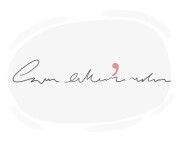
the symbol ' used in writing to show possession or omission of letters or numbers
apostrof, symbol apostrofu
Jeho esej měla několik chyb v použití apostrofů.
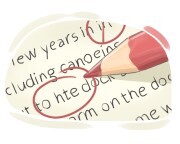
to read and correct the mistakes of a written or printed text
kontrolovat, opravovat
Před tiskem finální verze brožury ji designér pečlivě zkontroloval naposledy, aby zachytil jakékoli problémy s formátováním.
a type of pronoun that replaces a noun as the subject of a sentence
zájmeno podmětu, osobní zájmeno podmětu
Ve větě "Ona šla na trh" je "Ona" zájmeno podmětu.
(grammar) to have the same grammatical number, gender, case or person
shodovat se, souhlasit
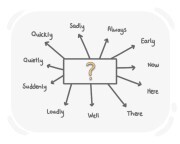
a word that gives more information about a verb, adjective, or another adverb
příslovce, slovo
Učitel požádal studenty, aby jako domácí úkol vypsali deset příslovcí.

a verb that is used with other verbs to indicate tense, voice, etc., such as do, have, and be
pomocné sloveso
V otázce "Do you understand?" je slovo "do" pomocné sloveso.
a group of words or a phrase that has a meaning different from the literal interpretation of its individual words, often specific to a particular language or culture
idiom, idiomatický výraz
Idiom 'piece of cake' odkazuje na něco, co je velmi snadné udělat, a co nemá nic společného se skutečným kouskem dezertu.

a grammatical construction in which two negative elements are used within the same sentence, often resulting in a positive meaning
dvojí zápor, zápor dvojí
Redaktor opravil dvojitý zápor v rukopisu, aby zajistil jasnost a přesnost.
