
Sách Headway - Cao cấp - Lời Cuối Cùng (Đơn vị 2)
Ở đây bạn sẽ tìm thấy từ vựng từ Bài 2 The Last Word trong sách giáo trình Headway Advanced, như "contraction", "apostrophe", "proofread", v.v.
Xem lại
Thẻ ghi nhớ
Chính tả
Đố vui

(grammar) a word that comes before a noun or pronoun to indicate location, direction, time, manner, or the relationship between two objects

giới từ, từ quan hệ
Giáo viên giải thích rằng giới từ được sử dụng để thể hiện mối quan hệ giữa danh từ và các phần khác của câu.

a construction in which an adverb or adverbial phrase is placed between the particle "to" and the base form of a verb
nguyên thể tách, nguyên thể chia tách
Một số nhà ngữ pháp cho rằng nguyên mẫu tách nên tránh, mặc dù chúng thường được sử dụng trong tiếng Anh hiện đại.
a short form of a word or a group of words used instead of the full form
sự rút gọn, dạng rút gọn
Sự rút gọn "we've" có nghĩa là "we have".

a word or expression that connects words, phrases, or clauses
liên từ
(in grammar) the form of a verb used when the grammatical subject is affected by the action of the verb, rather than performing it
thể bị động, dạng bị động
Thể bị động đôi khi có thể làm cho câu nghe trang trọng hoặc khách quan hơn.
a question that is not meant to be answered, but is instead used to make a point or to create emphasis or effect
câu hỏi tu từ, câu hỏi mang tính tu từ
Đặt một câu hỏi tu từ có thể làm cho bài phát biểu thuyết phục hơn.

the symbol ' used in writing to show possession or omission of letters or numbers
dấu nháy đơn, ký hiệu dấu nháy đơn
Dấu nháy đơn trong "it's" phân biệt nó với "its", là sở hữu cách.
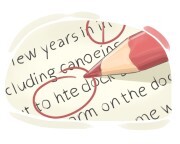
to read and correct the mistakes of a written or printed text
đọc lại, sửa lỗi
Anh ấy đọc lại các bài đăng trên blog của mình nhiều lần trước khi xuất bản chúng trực tuyến để đảm bảo chúng được trau chuốt và không có lỗi.
a type of pronoun that replaces a noun as the subject of a sentence
đại từ chủ ngữ, đại từ nhân xưng chủ ngữ
Thay vì lặp lại một tên, bạn sử dụng một đại từ chủ ngữ, chẳng hạn như sử dụng "anh ấy" thay vì nói "John".
(grammar) to have the same grammatical number, gender, case or person
phù hợp, đồng ý
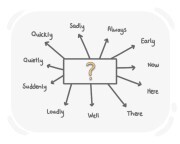
a word that gives more information about a verb, adjective, or another adverb
trạng từ, một từ cung cấp thêm thông tin về một động từ
Một lỗi phổ biến trong tiếng Anh là nhầm lẫn giữa tính từ và trạng từ.

a verb that is used with other verbs to indicate tense, voice, etc., such as do, have, and be
động từ trợ giúp
Học cách sử dụng đúng động từ trợ giúp có thể cải thiện đáng kể khả năng xây dựng câu phức tạp.
a group of words or a phrase that has a meaning different from the literal interpretation of its individual words, often specific to a particular language or culture
thành ngữ, cụm từ cố định
Cụm từ 'spill the beans' là một thành ngữ có nghĩa là tiết lộ bí mật, chứ không phải làm đổ đậu theo nghĩa đen.

a grammatical construction in which two negative elements are used within the same sentence, often resulting in a positive meaning
phủ định kép, kép phủ định
Câu "Chúng tôi chưa thấy ai cả" sử dụng phủ định kép, ngụ ý rằng họ đã thấy ai đó.
