
Vocabolario Essenziale per il GRE - La Salute È Ricchezza
Qui imparerai alcune parole inglesi sulla salute, come "regime", "virale", "trauma", ecc., necessarie per l'esame GRE.
Ripasso
Flashcard
Ortografia
Quiz


(of physical exercise) involving short and intense physical activities, such as sprints and weightlifting, during which oxygen demand surpasses oxygen supply

anaerobica
Lei preferisce l'esercizio anaerobico per la sua efficienza nel costruire forza e potenza.
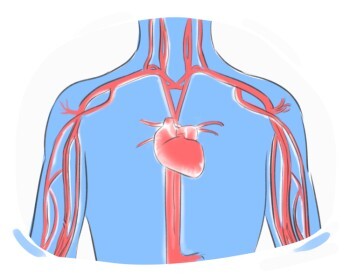
the continuous movement of blood through the heart and blood vessels around the body
circolazione
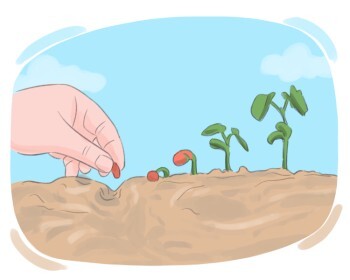
to grow well and remain healthy or strong
fiorire
the situation in which the body can shield itself against a disease
immunit
L'immunità può indebolirsi con l'età, rendendo gli anziani più suscettibili alle malattie.

a set of instructions given to someone regarding what they should eat or do to maintain or restore their health
regime
L'atleta ha aderito a un regime dietetico disciplinato, monitorando attentamente l'apporto calorico e l'equilibrio dei nutrienti per ottimizzare le prestazioni.
requiring great physical effort or energy
faticoso
La scalata faticosa ha messo alla prova la loro resistenza fisica.
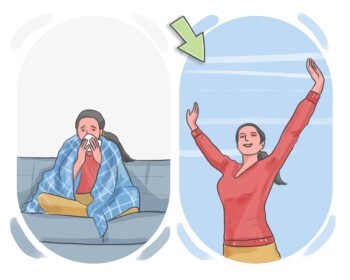
a happy, glowing look from being really healthy and feeling great on the inside
radianza
Il suo splendore era evidente dopo aver adottato uno stile di vita più sano.
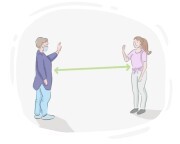
the practice of keeping a safe distance between yourself and other people in order to prevent the spread of disease
allontanamento sociale
Il luogo del concerto ha utilizzato linee guida sul distanziamento sociale per organizzare i posti a sedere nell'auditorium.
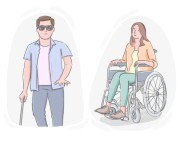
having a physical or mental condition that limits one's movements, senses, or activities
disabile
Il passeggero disabile richiede assistenza quando viaggia attraverso aeroporti e stazioni ferroviarie.
a state or condition in which a part of one's body or brain does not work properly
deterioramento
Il suo deficit cognitivo le rendeva difficile elaborare informazioni complesse.
a person who is paralyzed from neck down
tetraplegico
Il documentario ha evidenziato le sfide affrontate dai tetraplegici nella vita quotidiana.

a type of paralysis that affects the legs and the lower body as the result of spinal cord damage
paraplegia
Ha ricevuto terapia fisica per gestire la sua paraplegia e migliorare la sua mobilità.
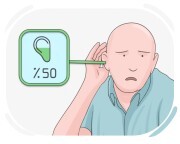
unable to hear properly
problemi di udito
an unusual feature in someone's body or behavior that may be harmful, caused by duplication or deletion of a single gene
anormalità
the physical or psychological effects experienced after stopping or reducing the use of an addictive substance
astinenza
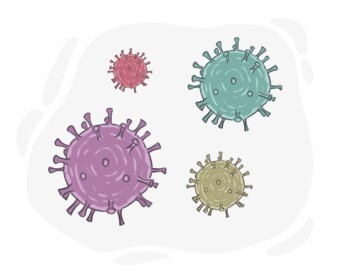
caused by or related to a virus
virale
Il medico ha diagnosticato la sua malattia come un'infezione virale dopo aver condotto degli esami.
(of a disease) able to make one sick
virulento
I batteri virulenti si sono diffusi rapidamente tra la popolazione, causando una malattia diffusa.
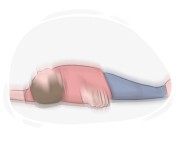
the state of not being awake or aware of one's surroundings
incoscienza
Incoscienza può essere una condizione medica grave che richiede attenzione immediata.
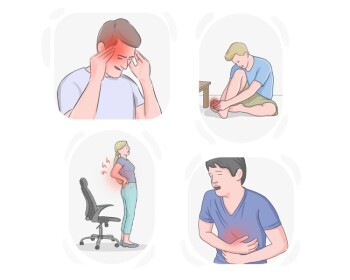
a state of pain or suffering due to a physical or mental condition
afflizione
L'afflizione delle emicranie le ha reso difficile concentrarsi e ha sconvolto la sua routine quotidiana.
severe physical or mental pain
dolore estremo
I pazienti con gravi ustioni spesso sperimentano un'agonia straziante durante il trattamento.
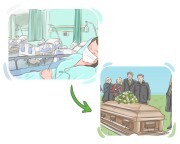
of an illness or disease, incurable and expected to lead to death
terminale
(of a body part or wound) infected by harmful bacteria
settico
Dovette sottoporsi a un intervento chirurgico per curare l'infezione settica alla gamba.
damage inflicted on the body as a result of an external force or event
trauma
Il pugile ha sofferto di un grave trauma cerebrale dopo aver ricevuto ripetuti colpi alla testa durante l'incontro.
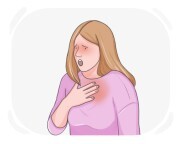
a sudden and unexpected start or return of a medical problem
confisca
Alla famiglia sono state date istruzioni su come gestire un episodio di crisi a casa.
(of sickness or disease) tending to spread in a rapid manner
aggressivo,virulento
I medici erano preoccupati per il cancro aggressivo che si era diffuso rapidamente.
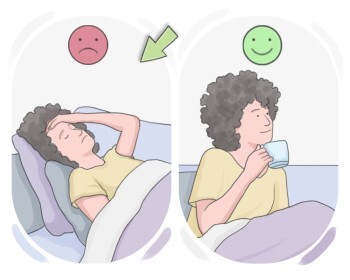
having to stay in bed, usually for a long time, due to illness or injury
allettati
L'anziano divenne costretto a letto a causa di una grave artrite.

(of an illness) difficult to cure and long-lasting
cronico
Le emicranie croniche di Sarah spesso durano per giorni, nonostante provi diversi farmaci.
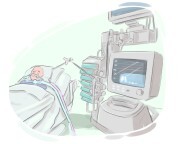
being in a state of coma or relating to coma
comatoso
Il romanzo descriveva un personaggio che era in coma dopo un grave trauma cranico.
to die as a result of a disease or injury
soccombere
Il paziente alla fine è soccombuto alla grave malattia nonostante il trattamento.
a period during which a patient's condition improves and the symptoms seem less severe
remissione
Ha celebrato il suo quinto anno in remissione dalla leucemia, grato per i progressi nel trattamento che hanno reso possibile la sua guarigione.
any organism that can cause diseases
patogeno
Il patogeno responsabile della malaria viene trasmesso all'uomo attraverso la puntura di una zanzara infetta.
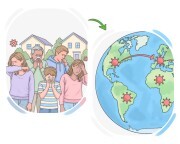
the unexpected start of something terrible, such as a disease
eruzione
Lo scoppio degli incendi boschivi ha provocato evacuazioni di emergenza in tutta la regione.
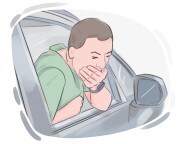
feeling as if one is likely to vomit
nausea
Si sentì nauseata prima di fare la sua presentazione, risultato della sua nervosità.
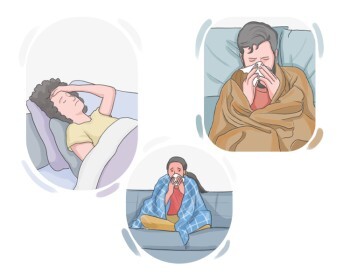
any physical problem that might put one's health in danger
malattia
Il villaggio medievale era afflitto da una malattia che si diffuse rapidamente, causando malattia diffusa e morte.
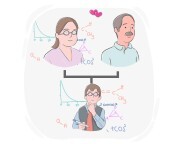
(of a disease or characteristic) able to be passed on to a child through the genes of its parents
ereditario
Il consulente genetico ha evidenziato i modelli ereditari nella storia della salute della famiglia.
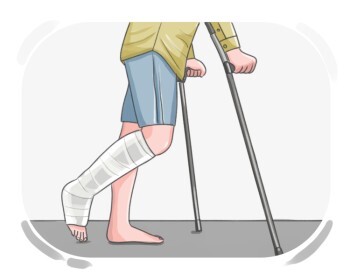
a crack or break in a bone or other hard substance
fratturare
La frattura sussurrava la sua presenza ad ogni passo, un promemoria dell'inesorabile attrazione della gravità e della fragilità della resilienza umana.
(of a person) suffering from an excessive amount of gas in the alimentary canal
flatulento
La guida sanitaria ha fornito consigli per minimizzare gli episodi flatulenti.
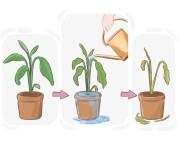
to make a problem, bad situation, or negative feeling worse or more severe
aggravare
Abbiamo esacerbato l'equivoco non chiarendo prima.
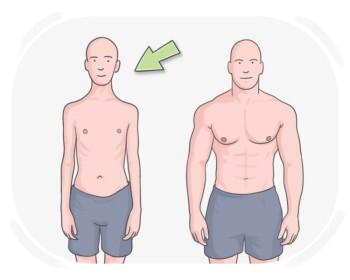
a state of extreme thinness and weakness, often due to illness, starvation, etc.
emaciazione
La gravità della sua emaciazione era un chiaro segno del neglecto e dell'abuso che aveva subito.
