pattern

Необходимый Словарный Запас для GRE - Здоровье

Здесь вы выучите некоторые английские слова о здоровье, такие как "режим", "вирусный", "травма" и т. д., которые необходимы для экзамена GRE.

Обзор

Флэш-карточки

формы

Правописание

Тест

Начать учиться
Essential Words Needed for the GRE
anaerobic
anaerobic
[прилагательное]

(of physical exercise) involving short and intense physical activities, such as sprints and weightlifting, during which oxygen demand surpasses oxygen supply

анаэробный

анаэробный

Ex: She prefers anaerobic exercise for its efficiency in building strength and power.

Она предпочитает анаэробные упражнения за их эффективность в наращивании силы и мощности.

Закрыть
Войти
circulation
circulation
[существительное]

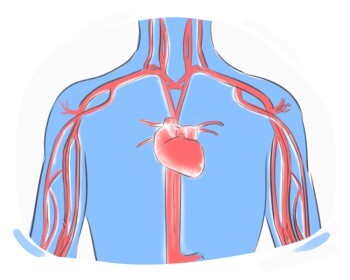
the flow and movement of blood around and in all parts of the body

кровообращение

кровообращение

Ex: The doctor checked his circulation to ensure there were no issues with blood flow .

Врач проверил его кровообращение, чтобы убедиться, что нет проблем с кровотоком.

Закрыть
Войти
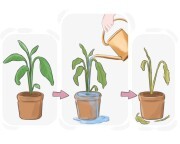
to flourish
to flourish
[глагол]

to grow in a healthy and strong way

процветать

процветать

Ex: The tree flourished after years of careful care .

Дерево расцвело после многих лет тщательного ухода.

Закрыть
Войти
immunity
immunity
[существительное]

the situation in which the body can shield itself against a disease

иммунитет

иммунитет

Ex: Immunity can weaken with age , making older adults more susceptible to illness .

Иммунитет может ослабнуть с возрастом, делая пожилых людей более восприимчивыми к болезням.

Закрыть
Войти
regimen
regimen
[существительное]

a set of instructions given to someone regarding what they should eat or do to maintain or restore their health

диета

диета

Ex: The athlete adhered to a disciplined diet regimen, carefully monitoring his caloric intake and nutrient balance to optimize performance .

Спортсмен придерживался дисциплинированного режима питания, тщательно контролируя потребление калорий и баланс питательных веществ для оптимизации производительности.

Закрыть
Войти
strenuous
strenuous
[прилагательное]

requiring great physical effort or energy

активный

активный

Ex: The strenuous climb tested their physical endurance .

Напряженное восхождение проверило их физическую выносливость.

Закрыть
Войти
radiance
radiance
[существительное]

a happy, glowing look from being really healthy and feeling great on the inside

сияние

сияние

Ex: His radiance was noticeable after he adopted a healthier lifestyle .

Его сияние было заметным после того, как он принял более здоровый образ жизни.

Закрыть
Войти
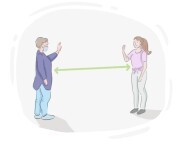
social distancing
social distancing
[существительное]

‌the practice of keeping a safe distance between yourself and other people in order to prevent the spread of disease

социальное дистанцирование

социальное дистанцирование

Ex: The concert venue used social distancing guidelines to arrange seating in the auditorium .

Концертная площадка использовала рекомендации по социальному дистанцированию для расстановки мест в зале.

Закрыть
Войти
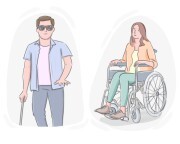
handicapped
handicapped
[прилагательное]

having a physical or mental condition that limits one's movements, senses, or activities

инвалид

инвалид

Ex: The handicapped passenger requires assistance when traveling through airports and train stations .

Пассажир с ограниченными возможностями требует помощи при передвижении по аэропортам и вокзалам.

Закрыть
Войти
impairment
impairment
[существительное]

a state or condition in which a part of one's body or brain does not work properly

ухудшени

ухудшени

Ex: Her cognitive impairment made it difficult for her to process complex information .

Её когнитивное расстройство затрудняло для неё обработку сложной информации.

Закрыть
Войти
quadriplegic
quadriplegic
[существительное]

a person who is paralyzed from neck down

паралитик

паралитик

Ex: The documentary highlighted the challenges faced by quadriplegics in daily life .

Документальный фильм осветил трудности, с которыми сталкиваются тетраплегики в повседневной жизни.

Закрыть
Войти
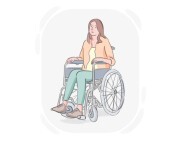
paraplegia
paraplegia
[существительное]

a type of paralysis that affects the legs and the lower body as the result of spinal cord damage

параплегия, паралич

параплегия, паралич

Ex: She received physical therapy to manage her paraplegia and improve her mobility .

Она прошла физиотерапию, чтобы справиться со своей параплегией и улучшить подвижность.

Закрыть
Войти
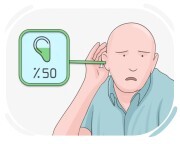
hard of hearing
hard of hearing
[фраза]

unable to hear properly

слабослышащий

слабослышащий

Ex: Public announcements are made with visual aids to assist those who are hard of hearing.
Закрыть
Войти
abnormality
abnormality
[существительное]

‌an unusual feature in someone's body or behavior that may be harmful, caused by duplication or deletion of a single gene

ненормальность

ненормальность

Закрыть
Войти
withdrawal
withdrawal
[существительное]

the sudden cut back on or discontinuation of drug taking

абстиненция

абстиненция

Ex: The treatment facility specializes in managing withdrawal and supporting recovery .

Лечебное учреждение специализируется на управлении абстиненцией и поддержке восстановления.

Закрыть
Войти
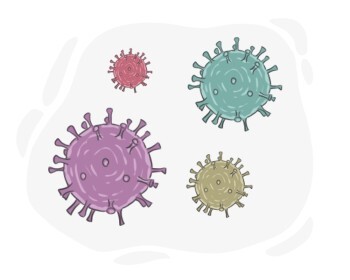
viral
viral
[прилагательное]

caused by or related to a virus

вирусный

вирусный

Ex: He was diagnosed with a viral infection that kept him bedridden for several days.

Ему поставили диагноз вирусная инфекция, которая продержала его в постели несколько дней.

Закрыть
Войти
virulent
virulent
[прилагательное]

(of a disease) able to make one sick

вирулентный

вирулентный

Ex: The virulent bacteria spread quickly through the population, causing widespread illness.

Вирулентные бактерии быстро распространились среди населения, вызвав массовое заболевание.

Закрыть
Войти
unconsciousness
unconsciousness
[существительное]

the state of not being awake or aware of one's surroundings

бессознательность

бессознательность

Ex: Unconsciousness can be a serious medical condition requiring immediate attention .

Бессознательное состояние может быть серьезным медицинским состоянием, требующим немедленного внимания.

Закрыть
Войти
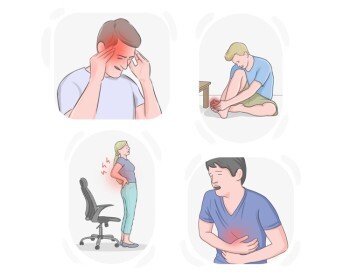
affliction
affliction
[существительное]

a state of pain or suffering due to a physical or mental condition

недуг

недуг

Ex: The affliction of migraines made it difficult for her to concentrate and disrupted her daily routine .

Страдание от мигрени затрудняло для нее концентрацию и нарушало ее повседневную рутину.

Закрыть
Войти
agony
agony
[существительное]

severe physical or mental pain

мучения

мучения

Ex: Patients with severe burns often experience excruciating agony during treatment .

Пациенты с тяжелыми ожогами часто испытывают мучительную агонию во время лечения.

Закрыть
Войти
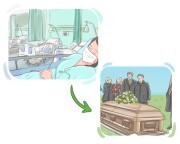
terminal
terminal
[прилагательное]

(of an illness) having no cure and gradually leading to death

неизлечимый

неизлечимый

Ex: Emily 's grandfather 's terminal condition made it difficult for him to perform even simple daily tasks .

Терминальное состояние дедушки Эмили затрудняло выполнение даже простых повседневных задач.

Закрыть
Войти
septic
septic
[прилагательное]

(of a body part or wound) infected by harmful bacteria

септический

септический

Ex: He had to undergo surgery to address the septic infection in his leg .

Ему пришлось пройти операцию, чтобы устранить септическую инфекцию в ноге.

Закрыть
Войти
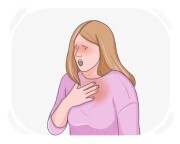
trauma
trauma
[существительное]

damage inflicted on the body as a result of an external force or event

травма

травма

Ex: Victims of domestic violence often suffer from both physical and emotional trauma.

Жертвы домашнего насилия часто страдают от физической и эмоциональной травмы.
Закрыть
Войти
seizure
seizure
[существительное]

a sudden and unexpected start or return of a medical problem

припадок

припадок

Ex: The family was given instructions on how to handle a seizure episode at home .

Семье дали инструкции о том, как справляться с эпизодом припадка дома.

Закрыть
Войти
aggressive
aggressive
[прилагательное]

(of sickness or disease) tending to spread in a rapid manner

агрессивный, вирулентный

агрессивный, вирулентный

Ex: The doctors were concerned about the aggressive cancer that had spread quickly .

Врачи были обеспокоены агрессивным раком, который быстро распространился.

Закрыть
Войти
bedridden
bedridden
[прилагательное]

having to stay in bed, usually for a long time, due to illness or injury

лежачий

лежачий

Ex: The elderly man became bedridden due to severe arthritis .

Пожилой человек стал прикованным к постели из-за тяжелого артрита.

Закрыть
Войти
chronic
chronic
[прилагательное]

(of an illness) difficult to cure and long-lasting

хронический

хронический

Ex: Sarah 's chronic migraine headaches often last for days , despite trying different medications .

Хронические мигрени Сары часто длятся несколько дней, несмотря на попытки применения различных лекарств.

Закрыть
Войти
comatose
comatose
[прилагательное]

being in a state of coma or relating to coma

коматозный

коматозный

Ex: The novel described a character who was comatose after a severe head injury.

Роман описывал персонажа, который находился в коме после тяжелой травмы головы.

Закрыть
Войти
to succumb
to succumb
[глагол]

to die as a result of a disease or injury

поддаться

поддаться

Ex: The patient eventually succumbed to the severe illness despite the treatment .

Пациент в конечном итоге поддался тяжелой болезни, несмотря на лечение.

Закрыть
Войти
remission
remission
[существительное]

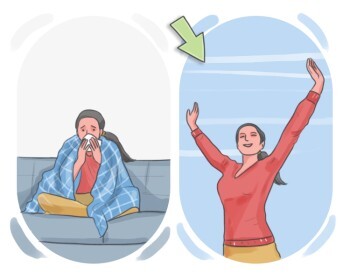
a period during which a patient's condition improves and the symptoms seem less severe

ремиссия

ремиссия

Ex: He celebrated his fifth year in remission from leukemia , grateful for the advances in treatment that made his recovery possible .

Он отметил свой пятый год в ремиссии от лейкемии, благодарный за достижения в лечении, которые сделали его выздоровление возможным.

Закрыть
Войти
pathogen
pathogen
[существительное]

any organism that can cause diseases

патоген

патоген

Ex: The pathogen responsible for malaria is transmitted to humans through the bite of an infected mosquito .

Патоген, ответственный за малярию, передается человеку через укус зараженного комара.

Закрыть
Войти
outbreak
outbreak
[существительное]

the unexpected start of something terrible, such as a disease

вспышка

вспышка

Ex: The outbreak of wildfires prompted emergency evacuations across the region .

Вспышка лесных пожаров вызвала экстренные эвакуации по всему региону.

Закрыть
Войти
nauseous
nauseous
[прилагательное]

feeling as if one is likely to vomit

тошнотворный

тошнотворный

Ex: She felt nauseous before giving her presentation , a result of her nervousness .

Она почувствовала тошноту перед тем, как начать свою презентацию, что было результатом её нервозности.

Закрыть
Войти
malady
malady
[существительное]

any physical problem that might put one's health in danger

болезнь

болезнь

Ex: The medieval village was plagued by a malady that spread rapidly , causing widespread illness and death .

Средневековая деревня была поражена недугом, который быстро распространялся, вызывая массовые заболевания и смерть.

Закрыть
Войти
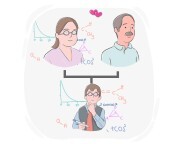
hereditary
hereditary
[прилагательное]

(of a disease or characteristic) able to be passed on to a child through the genes of its parents

наследственный

наследственный

Ex: The genetic counselor highlighted the hereditary patterns in the family's health history.

Генетический консультант выделил наследственные закономерности в истории здоровья семьи.

Закрыть
Войти
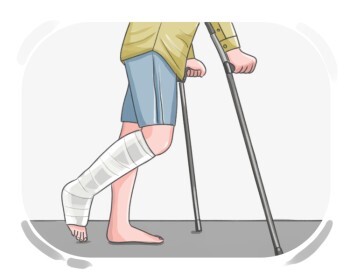
fracture
fracture
[существительное]

a crack or break in a bone or other hard substance

перелом

перелом

Ex: The fracture whispered its presence with every step , a reminder of gravity 's relentless pull and the fragility of human resilience .

Перелом шептал о своем присутствии с каждым шагом, напоминая о неумолимом притяжении гравитации и хрупкости человеческой устойчивости.

Закрыть
Войти
flatulent
flatulent
[прилагательное]

(of a person) suffering from an excessive amount of gas in the alimentary canal

метеоризм

метеоризм

Ex: The health guide provided tips for minimizing flatulent episodes .

Медицинское руководство предоставило советы по минимизации метеоризма.

Закрыть
Войти
to exacerbate
to exacerbate
[глагол]

to make a problem, bad situation, or negative feeling worse or more severe

обострять

обострять

Ex: We exacerbated the misunderstanding by not clarifying sooner .

Мы усугубили недоразумение, не прояснив ситуацию раньше.

Закрыть
Войти
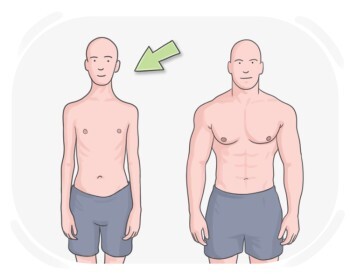
emaciation
emaciation
[существительное]

a state of extreme thinness and weakness, often due to illness, starvation, etc.

истощение

истощение

Ex: The severity of his emaciation was a clear sign of the neglect and abuse he had suffered .

Серьезность его истощения была явным признаком пренебрежения и жестокого обращения, которым он подвергался.

Закрыть
Войти
delirium
delirium
[существительное]

a state of intense, uncontrolled enthusiasm or excitement that makes one say or do crazy things

бреди

бреди

Ex: The sports arena was a scene of delirium as the final whistle blew .

Спортивная арена была сценой безумия, когда прозвучал финальный свисток.

Закрыть
Войти
LanGeek
Скачать приложение LanGeek