
Vocabular Esențial pentru GRE - Sănătatea Este Bogăție
Aici vei învăța câteva cuvinte în engleză despre sănătate, cum ar fi "regim", "viral", "traumă" etc., necesare pentru examenul GRE.
Revizuire
Fișe de studiu
Ortografie
Chestionar


(of physical exercise) involving short and intense physical activities, such as sprints and weightlifting, during which oxygen demand surpasses oxygen supply

anaerob, fără oxigen
Sprinturile sunt un antrenament anaerob excelent pentru dezvoltarea forței explosive.
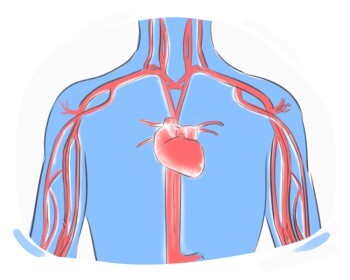
the flow and movement of blood around and in all parts of the body
circulație
Exercițiile regulate îmbunătățesc circulația sângelui în întregul corp.
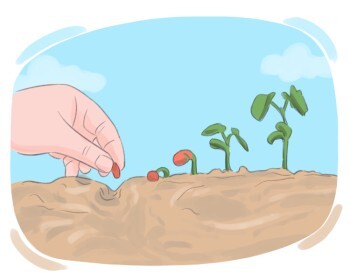
to grow in a healthy and strong way
înflori, prospera
Grădina a început să înflorească cu lumina soarelui și udarea potrivită.
the situation in which the body can shield itself against a disease
imunitate
Vaccinarea ajută la construirea imunității împotriva diverselor boli infecțioase.

a set of instructions given to someone regarding what they should eat or do to maintain or restore their health
regim, program
După consultarea nutriționistului său, a început un nou regim alimentar pentru a-și stimula metabolismul.
requiring great physical effort or energy
obositor, solicitant
Drumeția epuizantă le-a epuizat energia fizică.
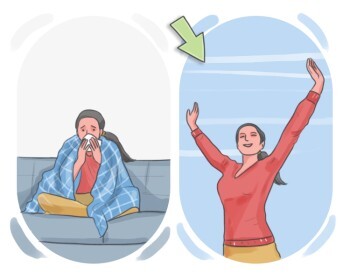
a happy, glowing look from being really healthy and feeling great on the inside
strălucire, radianță
Exercițiile regulate și râsul i-au păstrat strălucirea neștirbită până la bătrânețe.
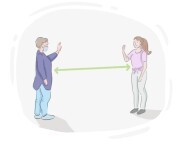
the practice of keeping a safe distance between yourself and other people in order to prevent the spread of disease
distanțare socială, distanță socială
Distanțarea socială este necesară în spațiile publice pentru a ajuta la reducerea răspândirii COVID-19.
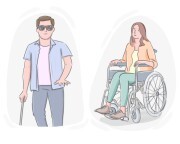
having a physical or mental condition that limits one's movements, senses, or activities
handicapat, persoană cu dizabilități
Ea s-a bazat pe un câine de serviciu pentru a o ajuta cu sarcini din cauza stării ei handicapate.
a state or condition in which a part of one's body or brain does not work properly
deteriorare, deficiență
Accidentul a dus la o deteriorare semnificativă a mobilității sale.
a person who is paralyzed from neck down
tetraplegic, persoană cu tetraplegie
Avansurile în tehnologia medicală îmbunătățesc viața quadriplegicilor.
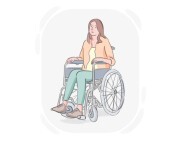
a type of paralysis that affects the legs and the lower body as the result of spinal cord damage
paraplegie
Accidentul a rezultat în paraplegie, lăsându-l incapabil să meargă.
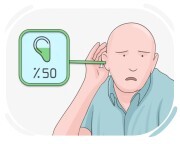
unable to hear properly
an unusual feature in someone's body or behavior that may be harmful, caused by duplication or deletion of a single gene
anomalie, aberație
the sudden cut back on or discontinuation of drug taking
sevraj
Clinica oferă programe de sprijin pentru cei care trec prin sevraj.
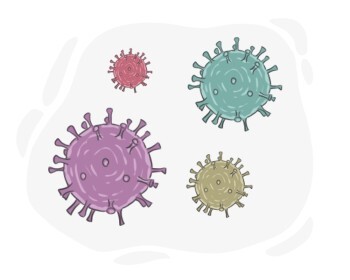
caused by or related to a virus
viral, cauzat de virus
Pneumonia virală este cauzată de diverși viruși și poate duce la simptome respiratorii severe.
(of a disease) able to make one sick
virulent
Izvorul a fost cauzat de o tulpină virulentă a virusului gripei.
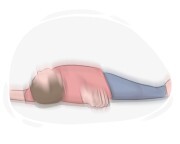
the state of not being awake or aware of one's surroundings
inconștiență, stare de inconștiență
Pacientul a fost transportat de urgență la spital după ce a căzut în inconștiență.
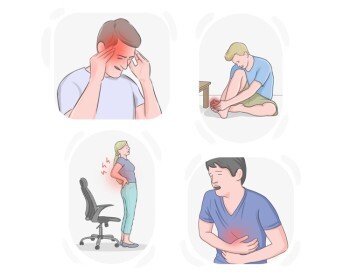
a state of pain or suffering due to a physical or mental condition
suferință, necaz
Credințele sale spirituale l-au ajutat să găsească alinare în fața suferinței bolii sale terminale.
severe physical or mental pain
agonie, suferință
Pacientul a îndurat agonia migrenelor cronice timp de ani.
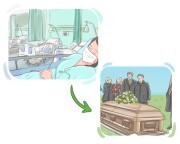
(of an illness) having no cure and gradually leading to death
terminal, incurabil
Bunica lui Mary a fost diagnosticată cu cancer pulmonar terminal și a fost plasată în îngrijire paliativă.
(of a body part or wound) infected by harmful bacteria
septic, infectat
Medicul a tratat rana septică a pacientului cu antibiotice.
damage inflicted on the body as a result of an external force or event
traumă, leziune
Boxerul a suferit un traumatism cerebral sever după ce a primit lovituri repetate la cap în timpul meciului.
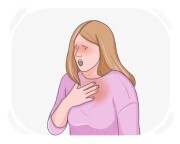
a sudden and unexpected start or return of a medical problem
criză
Ea a avut un atac în timpul nopții și a fost transportată urgent la spital.
(of sickness or disease) tending to spread in a rapid manner
agresiv, virulent
O tulpină agresivă a virusului gripal provoca o boală larg răspândită.
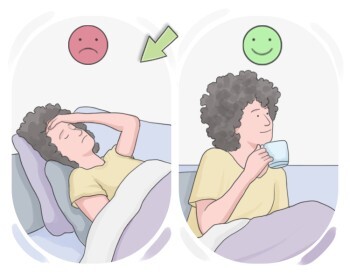
having to stay in bed, usually for a long time, due to illness or injury
culcat în pat, legat de pat
Bunica lui Sarah a devenit patiserită după ce și-a fracturat șoldul, necesitând asistență în toate activitățile zilnice.
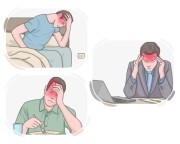
(of an illness) difficult to cure and long-lasting
cronic, persistent
Astmul cronic al Mariei necesită medicație zilnică pentru a controla simptomele.
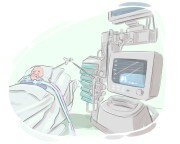
being in a state of coma or relating to coma
comatos, în comă
Pacientul a rămas în comă timp de câteva săptămâni după accident.
to die as a result of a disease or injury
succumba, a muri din cauza
El a sucumbat rănilor după accidentul de mașină.
a period during which a patient's condition improves and the symptoms seem less severe
remisiune
După mai multe runde de chimioterapie, cancerul a intrat în remisie, iar pacientul a început să-și recapete puterea și energia.
any organism that can cause diseases
patogen, agent patogen
Testele de laborator au confirmat prezența unui patogen bacterian responsabil de intoxicația alimentară severă a pacientului.
the unexpected start of something terrible, such as a disease
izbucnire, epidemie
Izbucnirea bruscă a gripei a provocat panică larg răspândită în oraș.
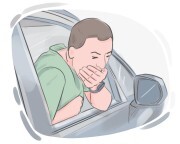
feeling as if one is likely to vomit
greață, care simte greață
Călătoria cu mașina pe drumuri accidentate a făcut-o să se simtă greață, și a trebuit să închidă ochii pentru a nu se îmbolnăvi.
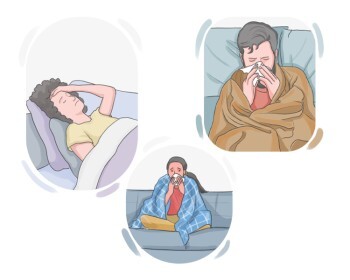
any physical problem that might put one's health in danger
boală, afecțiune
Medicii nu au putut determina boala de bază care a cauzat oboseala și slăbiciunea lui.
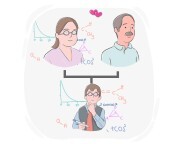
(of a disease or characteristic) able to be passed on to a child through the genes of its parents
ereditar, transmisibil genetic
Trăsăturile ereditare, cum ar fi culoarea ochilor, sunt transmise de la părinți la copiii lor.
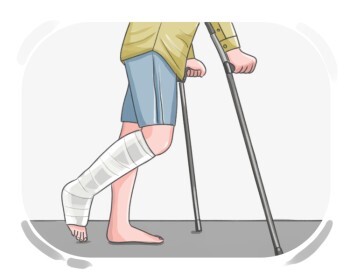
a crack or break in a bone or other hard substance
fractură, ruptură
O fractură este un termen medical folosit pentru a descrie o crăpătură sau ruptură într-un os sau într-o substanță dură.
(of a person) suffering from an excessive amount of gas in the alimentary canal
flatulent, gazos
Starea flatulentă l-a determinat să evite anumite alimente.
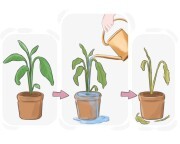
to make a problem, bad situation, or negative feeling worse or more severe
exacerba, agrava
Ignorarea problemei poate exacerba problemele pe termen lung.
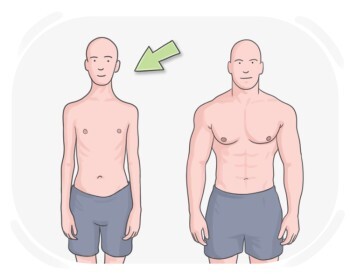
a state of extreme thinness and weakness, often due to illness, starvation, etc.
emaciație, slăbiciune extremă
Emaciația refugiaților era evidentă, deoarece trecuseră săptămâni fără suficientă hrană.
