

pattern

Nödvändigt Ordförråd för GRE - Hälsa Är Rikedom

Här kommer du att lära dig några engelska ord om hälsa, såsom "regim", "viral", "trauma" etc., som behövs för GRE-provet.

Recension

Flashcards

Stavning

Quiz

Starta lärandet
Essential Words Needed for the GRE
anaerobic
anaerobic
[adjektiv]

(of physical exercise) involving short and intense physical activities, such as sprints and weightlifting, during which oxygen demand surpasses oxygen supply

anaerob, syrefri

anaerob, syrefri

Ex: Sprints are an excellent anaerobic workout for building explosive strength. 
Stäng
Logga in
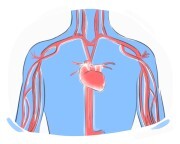
circulation
circulation
[Substantiv]

the flow and movement of blood around and in all parts of the body

blodcirkulation

blodcirkulation

Ex: Regular exercise improves blood circulation throughout the body. 
Stäng
Logga in
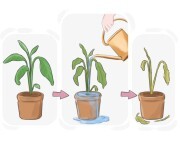
to flourish

to grow in a healthy and strong way

blomstra, frodas

blomstra, frodas

Ex: The garden began to flourish with proper sunlight and watering. 
Stäng
Logga in
immunity
immunity
[Substantiv]

the situation in which the body can shield itself against a disease

immunitet

immunitet

Ex: Vaccination helps build immunity against various infectious diseases. 
Stäng
Logga in
regimen
regimen
[Substantiv]

a set of instructions given to someone regarding what they should eat or do to maintain or restore their health

regim, program

regim, program

Ex: After consulting her nutritionist, she began a new dietary regimen to boost her metabolism. 
Stäng
Logga in
strenuous
strenuous
[adjektiv]

requiring great physical effort or energy

ansträngande, krävande

ansträngande, krävande

Ex: The strenuous hike drained their physical energy. 
Stäng
Logga in
radiance
radiance
[Substantiv]

a happy, glowing look from being really healthy and feeling great on the inside

glans, strålning

glans, strålning

Ex: Regular exercise and laughter kept her radiance undimmed well into her senior years. 
Stäng
Logga in
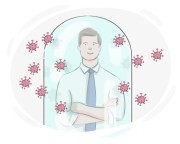
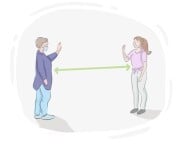
social distancing
social distancing
[Substantiv]

‌the practice of keeping a safe distance between yourself and other people in order to prevent the spread of disease

social distansering, socialt avstånd

social distansering, socialt avstånd

Ex: Social distancing is required in public spaces to help reduce the spread of COVID-19. 
Stäng
Logga in
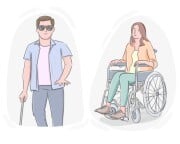
handicapped
handicapped
[adjektiv]

having a physical or mental condition that limits one's movements, senses, or activities

handikappad, person med funktionsnedsättning

handikappad, person med funktionsnedsättning

Ex: She relied on a service dog to assist her with tasks due to her handicapped condition. 
Stäng
Logga in
impairment
impairment
[Substantiv]

a state or condition in which a part of one's body or brain does not work properly

nedsättning, funktionshinder

nedsättning, funktionshinder

Ex: The accident resulted in a significant impairment of his mobility. 
Stäng
Logga in
quadriplegic
quadriplegic
[Substantiv]

a person who is paralyzed from neck down

tetraplegiker, person med tetraplegi

tetraplegiker, person med tetraplegi

Ex: Advances in medical technology are improving the lives of quadriplegics. 
Stäng
Logga in
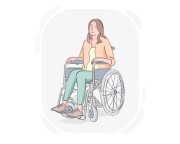
paraplegia
paraplegia
[Substantiv]

a type of paralysis that affects the legs and the lower body as the result of spinal cord damage

paraplegi

paraplegi

Ex: The accident resulted in paraplegia, leaving him unable to walk. 
Stäng
Logga in
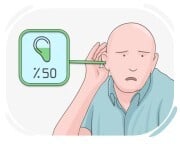
hard of hearing

unable to hear properly

Ex: My father is quite old now and he's increasingly hard of hearing. 
Stäng
Logga in
abnormality
abnormality
[Substantiv]

‌an unusual feature in someone's body or behavior that may be harmful, caused by duplication or deletion of a single gene

abnormalitet, avvikelse

abnormalitet, avvikelse

Stäng
Logga in
withdrawal
withdrawal
[Substantiv]

the sudden cut back on or discontinuation of drug taking

abstinens

abstinens

Ex: The clinic offers support programs for those undergoing drug withdrawal. 
Stäng
Logga in
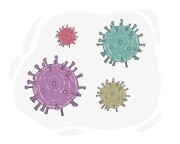
viral
viral
[adjektiv]

caused by or related to a virus

viral, orsakad av virus

viral, orsakad av virus

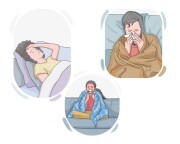
Ex: The doctor diagnosed her illness as a viral infection after conducting tests. 
Stäng
Logga in
virulent
virulent
[adjektiv]

(of a disease) able to make one sick

virulent

virulent

Ex: The outbreak was caused by a virulent strain of the flu virus. 
Stäng
Logga in
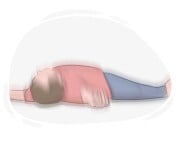
unconsciousness
unconsciousness
[Substantiv]

the state of not being awake or aware of one's surroundings

medvetslöshet, tillstånd av medvetslöshet

medvetslöshet, tillstånd av medvetslöshet

Ex: The patient was rushed to the hospital after falling into unconsciousness. 
Stäng
Logga in
affliction
affliction
[Substantiv]

a state of pain or suffering due to a physical or mental condition

lidande, plåga

lidande, plåga

Ex: His spiritual beliefs helped him find solace in the face of his terminal illness affliction. 
Stäng
Logga in
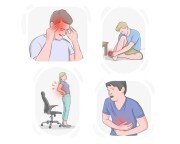
agony
agony
[Substantiv]

severe physical or mental pain

plåga, lidande

plåga, lidande

Ex: The patient endured the agony of chronic migraines for years. 
Stäng
Logga in
terminal
terminal
[adjektiv]

(of an illness) having no cure and gradually leading to death

terminal, obotlig

terminal, obotlig

Ex: Mary's grandmother was diagnosed with terminal lung cancer and was placed in hospice care. 
Stäng
Logga in
septic
septic
[adjektiv]

(of a body part or wound) infected by harmful bacteria

septisk, infekterad

septisk, infekterad

Ex: The doctor treated the patient’s septic wound with antibiotics. 
Stäng
Logga in
trauma
trauma
[Substantiv]

damage inflicted on the body as a result of an external force or event

trauma, skada

trauma, skada

Ex: Spinal cord injury due to the trauma of a diving accident. 
Stäng
Logga in
seizure
seizure
[Substantiv]

a sudden and unexpected start or return of a medical problem

anfall

anfall

Ex: She experienced a seizure during the night and was rushed to the hospital. 
Stäng
Logga in
aggressive
aggressive
[adjektiv]

(of sickness or disease) tending to spread in a rapid manner

aggressiv, virulent

aggressiv, virulent

Ex: An aggressive strain of the flu virus was causing widespread illness. 
Stäng
Logga in
bedridden
bedridden
[adjektiv]

having to stay in bed, usually for a long time, due to illness or injury

sängliggande, bunden till sängen

sängliggande, bunden till sängen

Ex: Sarah's grandmother became bedridden after breaking her hip, requiring assistance with all daily activities. 
Stäng
Logga in
chronic
chronic
[adjektiv]

(of an illness) difficult to cure and long-lasting

kronisk, långvarig

kronisk, långvarig

Ex: Mary's chronic asthma requires daily medication to control her symptoms. 
Stäng
Logga in
comatose
comatose
[adjektiv]

being in a state of coma or relating to coma

komatös, i koma

komatös, i koma

Ex: The patient remained comatose for several weeks after the accident. 
Stäng
Logga in
to succumb

to die as a result of a disease or injury

succumbera, dö av

succumbera, dö av

Ex: He succumbed to his injuries after the car accident. 
Stäng
Logga in
remission
remission
[Substantiv]

a period during which a patient's condition improves and the symptoms seem less severe

remission

remission

Ex: After several rounds of chemotherapy, the cancer went into remission, and the patient began to regain strength and energy. 
Stäng
Logga in
pathogen
pathogen
[Substantiv]

any organism that can cause diseases

patogen, sjukdomsalstrande

patogen, sjukdomsalstrande

Ex: The laboratory tests confirmed the presence of a bacterial pathogen responsible for the patient's severe food poisoning. 
Stäng
Logga in
outbreak
outbreak
[Substantiv]

the unexpected start of something terrible, such as a disease

utbrott, epidemi

utbrott, epidemi

Ex: The sudden outbreak of the flu caused widespread panic in the city. 
Stäng
Logga in
nauseous
nauseous
[adjektiv]

feeling as if one is likely to vomit

illamående,  kvalmig

illamående, kvalmig

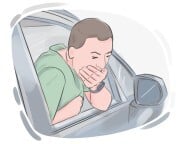
Ex: The bumpy car ride made her feel nauseous, and she had to close her eyes to avoid getting sick. 
Stäng
Logga in
malady
malady
[Substantiv]

any physical problem that might put one's health in danger

sjukdom, åkomma

sjukdom, åkomma

Ex: Doctors were unable to determine the underlying malady that caused his fatigue and weakness. 
Stäng
Logga in
hereditary
hereditary
[adjektiv]

(of a disease or characteristic) able to be passed on to a child through the genes of its parents

ärftlig, genetiskt överförbar

ärftlig, genetiskt överförbar

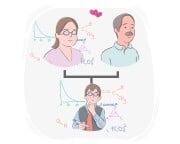
Ex: Hereditary traits, like eye color, are passed down from parents to their children. 
Stäng
Logga in
fracture
fracture
[Substantiv]

a crack or break in a bone or other hard substance

fraktur,  brott

fraktur, brott

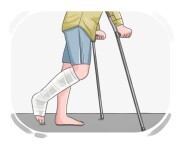
Ex: A fracture is a medical term used to describe a crack or break in a bone or hard substance. 
Stäng
Logga in
flatulent
flatulent
[adjektiv]

(of a person) suffering from an excessive amount of gas in the alimentary canal

uppblåst, gasig

uppblåst, gasig

Ex: The flatulent condition caused him to avoid certain foods. 
Stäng
Logga in
to exacerbate

to make a problem, bad situation, or negative feeling worse or more severe

förvärra, skärpa

förvärra, skärpa

Ex: Ignoring the issue can exacerbate the problems in the long run. 
Stäng
Logga in
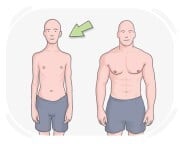
emaciation
emaciation
[Substantiv]

a state of extreme thinness and weakness, often due to illness, starvation, etc.

utmärgling,  extrem magerhet

utmärgling, extrem magerhet

Ex: The emaciation of the refugees was evident, as they had gone weeks without sufficient food. 
Stäng
Logga in
delirium
delirium
[Substantiv]

a state of intense, uncontrolled enthusiasm or excitement that makes one say or do crazy things

delirium, extas

delirium, extas

Ex: Her delirium over the concert's surprise guest led to spontaneous dancing. 
Stäng
Logga in
LanGeek
Ladda ner LanGeek app