
Vocabulaire Essentiel pour le GRE - La Santé
Ici, vous apprendrez quelques mots anglais sur la santé, tels que "régime", "viral", "trauma", etc., nécessaires pour l'examen GRE.
Réviser
Flashcards
Orthographe
Quiz


(of physical exercise) involving short and intense physical activities, such as sprints and weightlifting, during which oxygen demand surpasses oxygen supply

anaérobie
Les exercices anaérobies comme l'haltérophilie améliorent la masse musculaire et l'endurance.
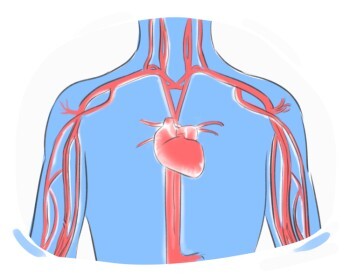
the continuous movement of blood through the heart and blood vessels around the body
circulation
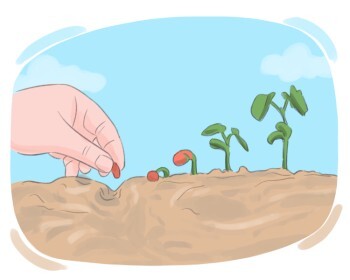
to grow well and remain healthy or strong
bien pousser, se développer
the situation in which the body can shield itself against a disease
immunité
Son corps a développé une immunité après s'être remis de la maladie.

a set of instructions given to someone regarding what they should eat or do to maintain or restore their health
régime
Le patient a été prescrit un régime pauvre en sodium pour gérer son hypertension artérielle.
requiring great physical effort or energy
vigoureux, énergique
Son entraînement intense a repoussé ses limites physiques.
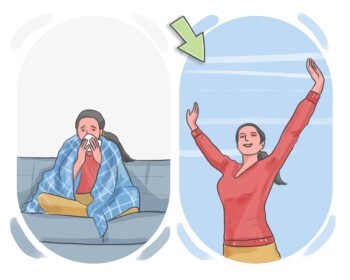
a happy, glowing look from being really healthy and feeling great on the inside
rayonnement, éclat, teint radieux
Pratiquer la pleine conscience quotidiennement a aidé à maintenir son éclat naturel à travers les stress de la vie.
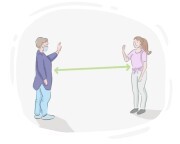
the practice of keeping a safe distance between yourself and other people in order to prevent the spread of disease
éloignement social
La distanciation sociale a conduit à l'essor des réunions virtuelles et du travail à distance.
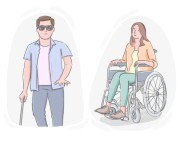
having a physical or mental condition that limits one's movements, senses, or activities
handicapé, handicapé mental
L'athlète handicapé a participé à des événements sportifs adaptés.
a state or condition in which a part of one's body or brain does not work properly
déficience, trouble
La déficience visuelle nécessite des aménagements spéciaux en classe.
a person who is paralyzed from neck down
tétraplégique
Le groupe de soutien fournit des ressources pour les tétraplégiques nouvellement blessés.

a type of paralysis that affects the legs and the lower body as the result of spinal cord damage
paraplégie
Les progrès de la recherche médicale visent à trouver des traitements pour la paralysie des membres inférieurs.
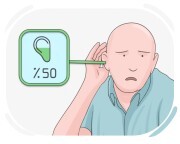
unable to hear properly
malentendant
an unusual feature in someone's body or behavior that may be harmful, caused by duplication or deletion of a single gene
anormalité, anomalie, déformation
the physical or psychological effects experienced after stopping or reducing the use of an addictive substance
sevrage
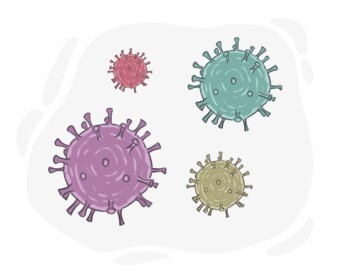
caused by or related to a virus
viral
La pneumonie virale est causée par divers virus et peut entraîner des symptômes respiratoires graves.
(of a disease) able to make one sick
virulent
La nouvelle maladie s'est avérée très virulente, affectant même les individus en bonne santé.
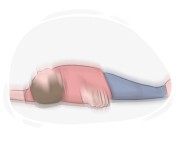
the state of not being awake or aware of one's surroundings
inconscience
Son inconscience soudaine était le résultat de la grave blessure à la tête.
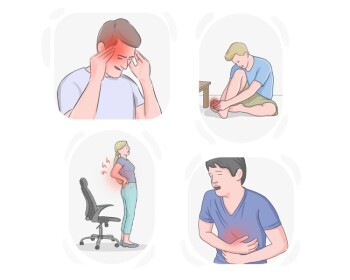
a state of pain or suffering due to a physical or mental condition
affliction
Les professionnels de la santé mentale offrent des conseils et un soutien aux personnes aux prises avec des afflictions émotionnelles telles que la dépression ou l'anxiété.
severe physical or mental pain
torture
La souffrance mentale d'attendre les résultats des tests peut être accablante.
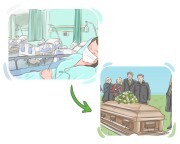
of an illness or disease, incurable and expected to lead to death
en phase terminale
(of a body part or wound) infected by harmful bacteria
septique
Le médecin a surveillé de près le patient pour détecter des signes de choc septique.
damage inflicted on the body as a result of an external force or event
traumatisme
Le boxeur a souffert d'un traumatisme cérébral sévère après avoir reçu des coups répétés à la tête pendant le match.
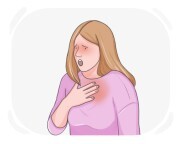
a sudden and unexpected start or return of a medical problem
crise
Ses crises étaient bien contrôlées par des médicaments, mais occasionnellement, il avait encore une crise imprévue.
(of sickness or disease) tending to spread in a rapid manner
agressif, virulent
La nature agressive de l'infection nécessitait un traitement immédiat.
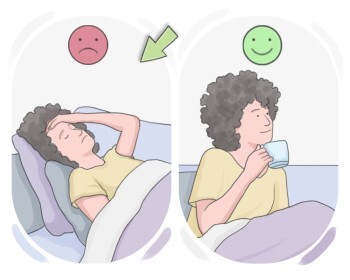
having to stay in bed, usually for a long time, due to illness or injury
grabataire
Le patient alité nécessitait une attention médicale régulière pour éviter les escarres.

(of an illness) difficult to cure and long-lasting
chronique
La dépression chronique de David affecte son humeur et son niveau d'énergie au quotidien.
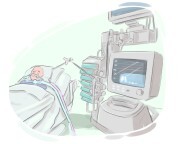
being in a state of coma or relating to coma
comateux
Les médecins étaient préoccupés par son état comateux après l'opération.
to die as a result of a disease or injury
succomber
Au moment où l'ambulance est arrivée, elle avait déjà succombé à ses blessures.
a period during which a patient's condition improves and the symptoms seem less severe
rémission
Le médecin a été heureux de rapporter que la maladie auto-immune du patient était en rémission, sans symptômes actifs présents.
any organism that can cause diseases
agent pathogène
Les vaccins sont conçus pour protéger contre des pathogènes spécifiques en stimulant le système immunitaire à les reconnaître et à les combattre.
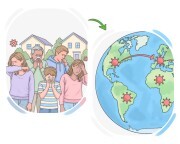
the unexpected start of something terrible, such as a disease
épidémie
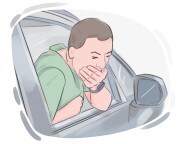
feeling as if one is likely to vomit
nauséeux, barbouillé
La forte odeur de fruits de mer l'a rendue nauséeuse, alors elle a dû quitter le restaurant.
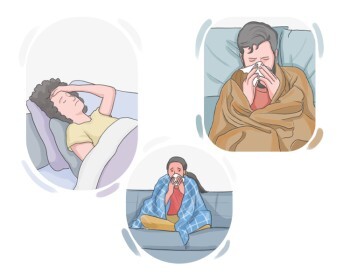
any physical problem that might put one's health in danger
maladie
À travers l'histoire, l'humanité a lutté contre des maladies répandues comme la variole et la tuberculose.
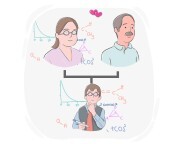
(of a disease or characteristic) able to be passed on to a child through the genes of its parents
héréditaire
Il avait une condition héréditaire qui nécessitait des examens médicaux réguliers.
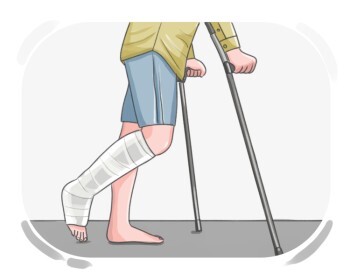
a crack or break in a bone or other hard substance
fracture
Les fractures peuvent survenir en raison d'un traumatisme, comme des chutes, des blessures sportives ou des accidents de voiture, ainsi que d'une surutilisation ou d'une fragilisation des os.
(of a person) suffering from an excessive amount of gas in the alimentary canal
flatulent, ballonné
Le médecin a conseillé un changement de régime alimentaire pour réduire ses symptômes flatulents.
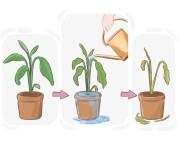
to make a problem, bad situation, or negative feeling worse or more severe
aggraver, exacerber
Ajouter plus de stress peut exacerber les sentiments d'anxiété.
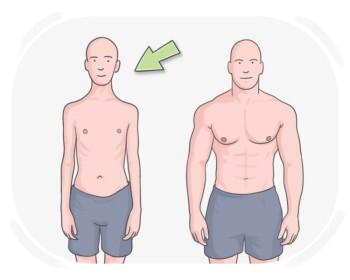
a state of extreme thinness and weakness, often due to illness, starvation, etc.
émaciation
Une maladie prolongée avait conduit à l'émaciation du patient, qui avait besoin d'un soutien nutritionnel immédiat.
a state of intense, uncontrolled enthusiasm or excitement that makes one say or do crazy things
délire
Le délire de la foule au festival a créé une atmosphère chaotique mais joyeuse.
