
250 Verbi Frasali Inglesi Più Comuni - Top 101-125 Verbi Frasali
Ecco a voi la parte 5 della lista dei phrasal verbs più comuni in inglese come "keep up", "go after" e "care for".
Ripasso
Flashcard
Ortografia
Quiz
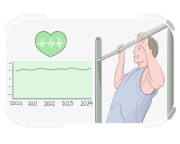
to preserve something at a consistently high standard, price, or level

mantenere a un livello elevato, mantenere
La scarsità di gemme rare mantiene alti i loro prezzi di mercato.

(of a portion or piece) to become detached or separated from a larger whole
staccarsi, staccarsi da un insieme più grande
La maniglia della valigia si è staccata durante il viaggio, rendendo difficile il trasporto.

to take something from someone so that they no longer have it
togliere qualcosa a qualcuno affinché non l'abbia più, togliere a qualcuno un diritto o privilegio
La guardia di sicurezza ha tolto i diritti di ingresso agli individui senza un'identificazione adeguata.
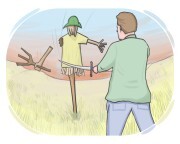
to remove a part of something by cutting through it with a sharp tool
tagliare via con un oggetto affilato, tagliare una parte dal bordo o dall'estremità

to pursue or try to catch someone or something
andare dietro a
Sono andati dietro al cane fuggito, che era scappato nel quartiere.

to end a romantic relationship with someone
lasciarsi, porre fine a una relazione

to provide treatment for or help a person or an animal that is sick or injured
aver cura di
L'infermiera ha curato con attenzione il paziente anziano in ospedale.
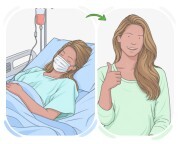
to recover from an unpleasant or unhappy experience, particularly an illness
riprendersi da una malattia o da un'esperienza spiacevole, tornare a stare bene dopo una malattia o un dispiacere
Alla fine ha superato la sua paura di parlare in pubblico.

to be prominent and easily noticeable
distinguersi nettamente, distinguersi dagli altri
Il suo vestito colorato l'ha fatta spiccare tra la folla di persone che indossavano toni neutri.

to leave a situation, place, or person
allontanarsi
Dovette allontanarsi dalla discussione per calmarsi.

to stand or wait in a straight row of people or things, usually one behind another
mettersi in fila, fare la fila
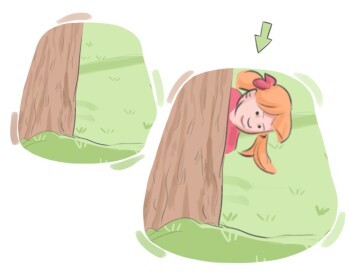
to appear or happen unexpectedly
apparire all'improvviso, spuntare
Ogni tanto, un ricordo del nostro viaggio spuntava nelle nostre conversazioni.

to leave a bus, train, plane, or other form of transportation after traveling on it
scendere da un mezzo, scendere da autobus treno o aereo

to attach or display a notice, picture, or other item where people can see it
esporre, mettere in mostra
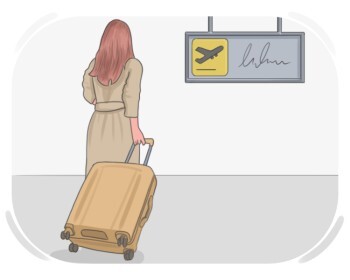
to accompany someone to a place or take part in an activity with them
venire

to give something to someone without expecting payment in return
regalare o donare qualcosa a qualcuno, dare qualcosa gratuitamente a qualcun altro
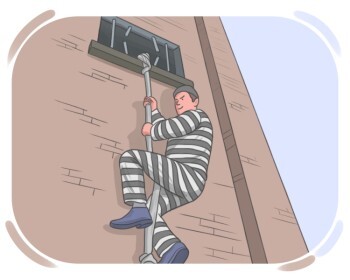
to escape from or suddenly leave a specific place, situation, or person, often in a hurried manner
fuggire rapidamente da un luogo situazione o persona, andarsene improvvisamente e fuggire
Durante il caos della rivolta, alcuni manifestanti hanno cercato di scappare dal gas lacrimogeno.
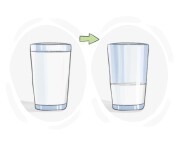
(of a price, temperature, or level) to become lower
diminuire di prezzo temperatura ecc, diminuire di livello o quantità
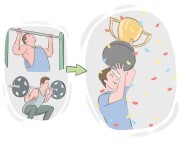
(of a plan or action) to succeed and have good results
dare i suoi frutti, avere successo e produrre buoni risultati
La pazienza e la perseveranza spesso danno i loro frutti nel lungo periodo.

to find a solution to overcome a problem or obstacle
trovare una soluzione per aggirare un problema o ostacolo, aggirare un ostacolo con una soluzione alternativa
Nonostante le battute d'arresto, sono riusciti a aggirare i problemi e a raggiungere i loro obiettivi.
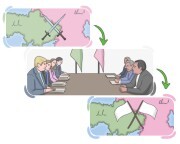
to make something or someone return or be returned to a particular place or condition
riportare
Ha riportato il libro che aveva preso in prestito la scorsa settimana.

to suddenly move toward someone to threaten them or physically attack them
venire a
I manifestanti hanno sfondato le barricate e sono piombati su gli agenti di polizia, portando a uno scontro.
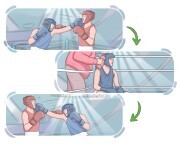
to continue an activity
continuare un'attività, riprendere l'attività dopo una pausa
Ha chiesto loro di continuare la loro conversazione mentre rispondeva al telefono.
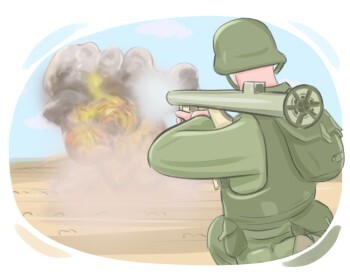
to destroy or damage something by causing an explosion
far esplodere, far saltare in aria

to die, used as a gentle or polite way of referring to someone's death
morire, venire a mancare
| 250 Verbi Frasali Inglesi Più Comuni | |||
|---|---|---|---|
| Top 1-25 Verbi Frasali | Top 26-50 Verbi Frasali | Top 51-75 Verbi Frasali | Top 76-100 Verbi Frasali |
| Top 101-125 Verbi Frasali | Top 126-150 Verbi Frasali | Top 151-175 Verbi Frasali | Top 176-200 Verbi Frasali |
| Top 201-225 Verbi Frasali | Top 226-250 Verbi Frasali | ||
