
250 наиболее распространенных английских фразовых глаголов - Топ 101 - 125 фразовых глаголов
Здесь вам представлена часть 5 списка самых распространенных фразовых глаголов в английском языке, таких как "keep up", "go after" и "care for".
Обзор
Флэш-карточки
формы
Правописание
Тест

to preserve something at a consistently high standard, price, or level

не отставать
Она ежедневно практикует свои музыкальные навыки, чтобы поддерживать свой уровень исполнения.

(of a portion or piece) to become detached or separated from a larger whole
выйти
Табличка на стене отвалилась после многих лет износа.
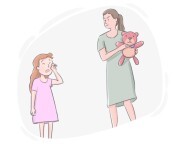
to take something from someone so that they no longer have it
забери
Администратор отобрал у студента доступ к онлайн-ресурсам за проступок.
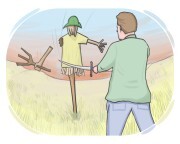
to use a sharp object like scissors or a knife on something to remove a piece from its edge or ends
резать
Скульптор аккуратно отрезал лишнюю глину, чтобы придать фигурке форму в соответствии с дизайном.

to pursue or try to catch someone or something
преследовать, гоняться
Детектив решил преследовать подозреваемого, который убегал с места преступления.

to end a relationship, typically a romantic or sexual one
расставаться, разрывать отношения
Он решил расстаться после того, как она уехала в колледж.

to provide treatment for or help a person or an animal that is sick or injured
заботиться
Медсестра ухаживает за пожилыми пациентами в больнице.
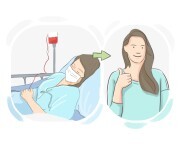
to recover from an unpleasant or unhappy experience, particularly an illness
оправиться от
Ей потребовалось несколько недель, чтобы полностью оправиться от гриппа.

to be prominent and easily noticeable
выделяться
Светящаяся неоновая вывеска заставила кафе выделяться среди других предприятий на улице.
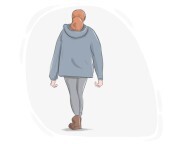
to leave a situation, place, or person
уходи
Они решили уйти с работы из-за неудовлетворенности.
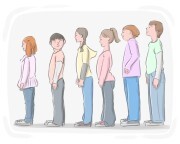
to stand in a line or row extending in a single direction
стоять в очереди
Студенты выстроились в очередь, чтобы получить свой обед.
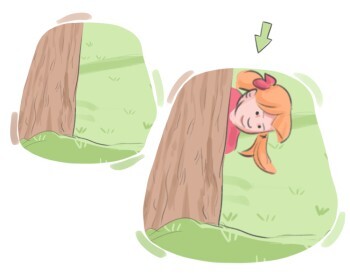
to appear or happen unexpectedly
неожиданно возникать
Во время чтения статьи на боковой панели всплыло связанное видео.
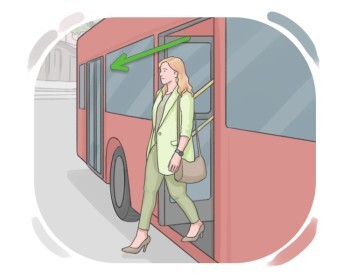
to leave a bus, train, airplane, etc.
сходить
Пассажиров попросили выйти из автобуса на следующей остановке.

to place something somewhere noticeable
выставлять
Галерея разместила работы местных художников для выставки.
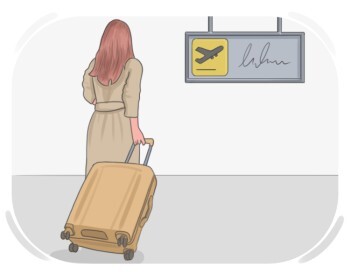
to go someplace with another person
сопровождать
Группа идёт в музей. Ты должен пойти с нами.

to give something as a gift or donation to someone
отдавать
Она решила отдать свою старую одежду местной благотворительной организации.
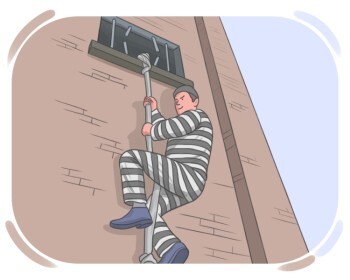
to escape from or suddenly leave a specific place, situation, or person, often in a hurried manner
сбежать
Когда сработала сигнализация, заключённые попытались сбежать из тюрьмы.
to have a decrease in price, temperature, etc.
снижаться
Цены на новые смартфоны наконец-то снизились, что сделало их более доступными для потребителей.
(of a plan or action) to succeed and have good results
окупиться
Все эти часы учебы действительно окупились во время экзамена.

to find a solution to overcome a problem or obstacle
обходить, находить альтернативное решение
Нам придется обходить неожиданные задержки и все равно уложиться в сроки проекта.
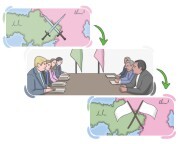
to make something or someone return or be returned to a particular place or condition
вернуть
Успешная кампания вернула клиентов.

to suddenly move toward someone to threaten them or physically attack them
приходите на
Разъярённая собака начала рычать и набросилась на меня, яростно лая.
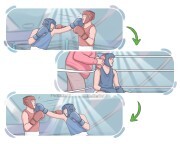
to continue an activity
продолжать
После короткого перерыва команда продолжила свой мозговой штурм, чтобы разработать новые идеи.
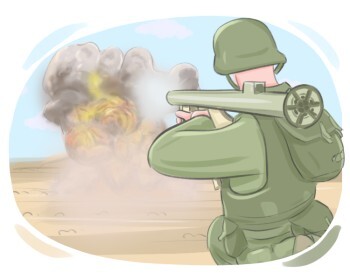
to cause something to explode
взрываться
Режиссер фильма взорвет машину для сцены действия.

to no longer be alive
умереть
Сообщество горевало, узнав, что любимый учитель скончался.
| 250 наиболее распространенных английских фразовых глаголов | |||
|---|---|---|---|
| Топ 1 - 25 фразовых глаголов | Топ 26 - 50 фразовых глаголов | Топ 51 - 75 фразовых глаголов | Топ 76 - 100 фразовых глаголов |
| Топ 101 - 125 фразовых глаголов | Топ 126 - 150 фразовых глаголов | Топ 151 - 175 фразовых глаголов | Топ 176 - 200 фразовых глаголов |
| Топ 201 - 225 фразовых глаголов | Топ 226 - 250 фразовых глаголов | ||
