
250 nejčastějších anglických frázových sloves - Top 101 - 125 Frázová Slovesa
Zde je vám poskytnuta část 5 seznamu nejběžnějších frázových sloves v angličtině, jako jsou "keep up", "go after" a "care for".
Revize
Kartičky
tvary
Pravopis
Kvíz
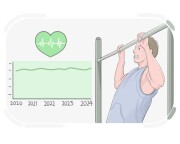
to preserve something at a consistently high standard, price, or level

udržovat, zachovávat
Aby udržela kvalitu svých produktů, společnost investuje do výzkumu a vývoje.

(of a portion or piece) to become detached or separated from a larger whole
oddělit se, odlepit se
Uchop kufru se utrhl během cesty, což ztížilo jeho přenášení.
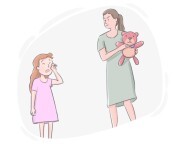
to take something from someone so that they no longer have it
vzít, odebrat
Vláda se rozhodla odebrat řidičský průkaz kvůli opakovaným přestupkům.
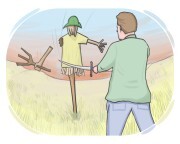
to use a sharp object like scissors or a knife on something to remove a piece from its edge or ends
odříznout, useknout
Před sestavením modelu použil hobby nůž k odříznutí přebytečného plastu z dílů.

to pursue or try to catch someone or something
pronásledovat, jít po
Šli za utíkajícím psem, který utekl do sousedství.

to end a relationship, typically a romantic or sexual one
rozejít se, ukončit vztah
Bylo pro něj těžké se s ní rozejít, ale věděl, že je to správné rozhodnutí.
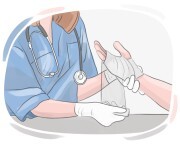
to provide treatment for or help a person or an animal that is sick or injured
pečovat, ošetřovat
Sestra pečlivě pečovala o staršího pacienta v nemocnici.
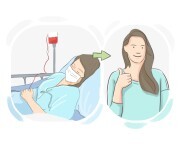
to recover from an unpleasant or unhappy experience, particularly an illness
uzdravit se, překonat
Konečně překonala svůj strach z veřejného mluvení.

to be prominent and easily noticeable
vynikat, být nápadný
Její barevné šaty ji učinily výraznou v davu lidí oblečených v neutrálních tónech.
to leave a situation, place, or person
odejít, opustit
Musel se odstoupit od hádky, aby se uklidnil.
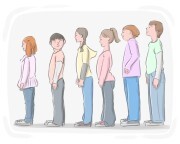
to stand in a line or row extending in a single direction
postavit se do řady, stát ve frontě
Auta se řadí u mýtné brány, aby zaplatila mýtné.
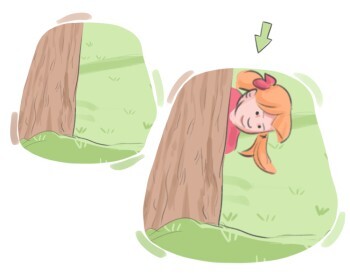
to appear or happen unexpectedly
objevit se, vyskočit
Občas se v našich rozhovorech objevila vzpomínka na náš výlet.
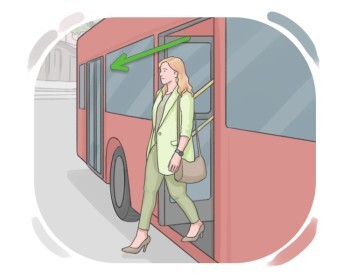
to leave a bus, train, airplane, etc.
vystoupit, opustit
Byl poslední, kdo vystoupil z metra na konečné stanici.
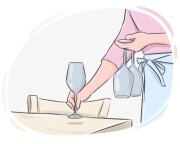
to place something somewhere noticeable
vystavit, zobrazit
Věšel varovnou značku, když návštěvníci dorazili.
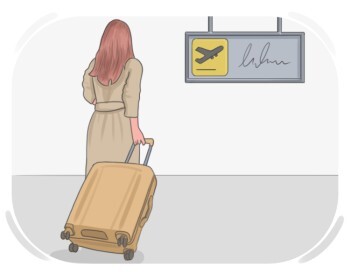
to go someplace with another person
jít s, doprovázet
Jdu do parku. Chtěl bys jít se mnou?
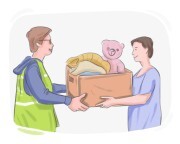
to give something as a gift or donation to someone
darovat, rozdávat
Pekárna rozdává neprodané pečivo, aby snížila plýtvání potravinami.
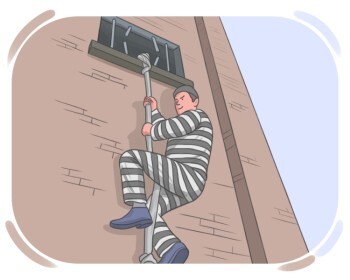
to escape from or suddenly leave a specific place, situation, or person, often in a hurried manner
utéct, prchnout
Během chaosu při nepokojích se někteří demonstranti snažili utéct od slzného plynu.
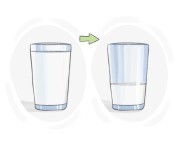
to have a decrease in price, temperature, etc.
klesat, snižovat se
Jak se zima blížila, energetické náklady klesly kvůli sníženému používání klimatizace.
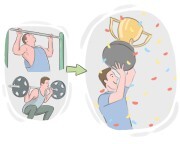
(of a plan or action) to succeed and have good results
přinést ovoce, vyplatit se
Trpělivost a vytrvalost se často vyplácí v dlouhodobém horizontu.
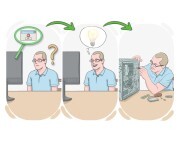
to find a solution to overcome a problem or obstacle
obejít, najít alternativní řešení
Obešla nedostatek zdrojů využitím externích partnerství.
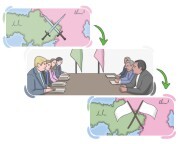
to make something or someone return or be returned to a particular place or condition
vrátit, přivést zpět
Vrátil knihu, kterou si minulý týden vypůjčil.
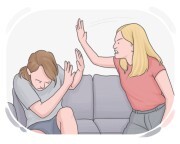
to suddenly move toward someone to threaten them or physically attack them
vrhnout se na, zaútočit
Demonstranti prorazili barikády a zaútočili na policisty, což vedlo ke střetu.
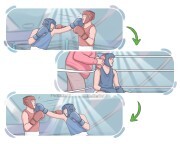
to continue an activity
pokračovat, pokračovat v
Požádala je, aby pokračovali v rozhovoru, zatímco ona zvedla telefon.
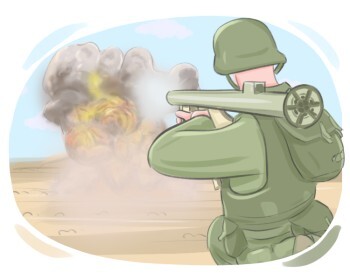
to cause something to explode
vyhodit do vzduchu, detonovat
Náhlý náraz vyhodil auto do vzduchu.

to no longer be alive
zemřít, odejít
Můj dědeček zemřel minulý rok po dlouhé nemoci.
| 250 nejčastějších anglických frázových sloves | |||
|---|---|---|---|
| Top 1 - 25 Frázová Slovesa | Top 26 - 50 Frázová Slovesa | Top 51 - 75 Frázová Slovesa | Top 76 - 100 Frázová Slovesa |
| Top 101 - 125 Frázová Slovesa | Top 126 - 150 Frázová Slovesa | Top 151 - 175 Frázová Slovesa | Top 176 - 200 Frázová Slovesa |
| Top 201 - 225 Frázová Slovesa | Top 226 - 250 Frázová Slovesa | ||
