pattern

Il libro Interchange - Pre-intermedio - Unità 5

Qui troverai il vocabolario dell'Unità 5 del libro di corso Interchange Pre-Intermediate, come "aiuto", "cognata", "fresco", ecc.

Revisione

Flashcard

forme

Ortografia

Quiz

Inizia a imparare
Interchange - Pre-intermediate
interesting
interesting
[aggettivo]

catching and keeping our attention because of being unusual, exciting, etc.

interessante

interessante

Ex: The teacher made the lesson interesting by including interactive activities. 

L'insegnante ha reso la lezione interessante includendo attività interattive.
Chiudi
Accedi
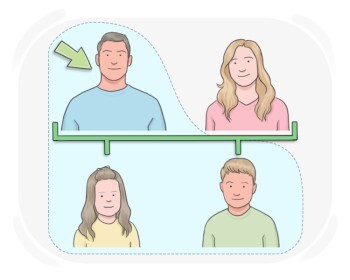
family
family
[sostantivo]

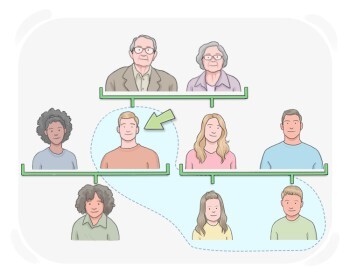
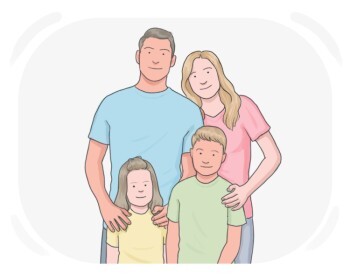
people that are related to each other by blood or marriage, normally made up of a father, mother, and their children

famiglia
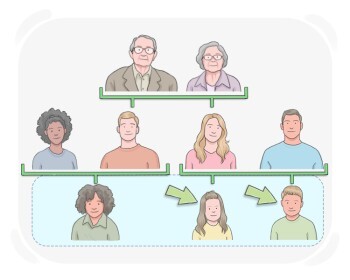
famiglia

Ex: When I was a child, my family used to go camping in the mountains. 

Quando ero bambino, la mia famiglia era solita andare in campeggio in montagna.

Chiudi
Accedi
cousin
cousin
[sostantivo]

our aunt or uncle's child

cugino

cugino

Ex: We always have a big family barbecue in the summer, and all our cousins bring their favorite dishes to share. 

Facciamo sempre un grande barbecue familiare in estate, e tutti i nostri cugini portano i loro piatti preferiti da condividere.

Chiudi
Accedi
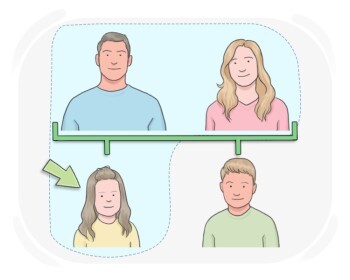
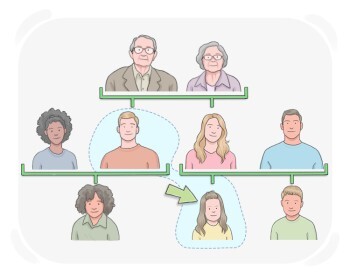
daughter
daughter
[sostantivo]

a person's female child

figlia

figlia

Ex: The mother and daughter enjoyed a delightful afternoon of shopping and bonding. 

La madre e la figlia hanno goduto di un pomeriggio delizioso fatto di shopping e legami.

Chiudi
Accedi
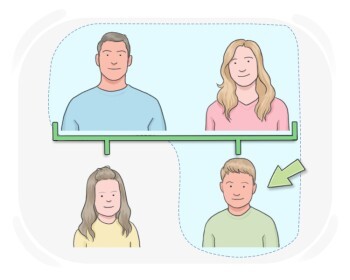
son
son
[sostantivo]

a person's male child

figlio

figlio

Ex: The father and son spent a delightful afternoon playing catch in the park. 

Il padre e il figlio hanno trascorso un pomeriggio delizioso a giocare a palla nel parco.

Chiudi
Accedi
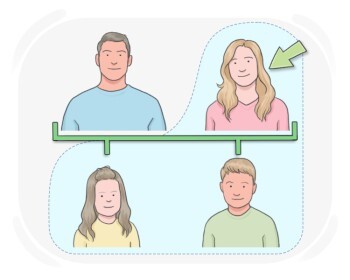
mother
mother
[sostantivo]

a child's female parent

madre

madre

Ex: The mother gently cradled her newborn baby in her arms. 

La madre cullava dolcemente il suo neonato tra le braccia.

Chiudi
Accedi
father
father
[sostantivo]

a child's male parent

padre

padre

Ex: The father proudly walked his daughter down the aisle on her wedding day. 

Il padre ha accompagnato con orgoglio sua figlia lungo la navata nel giorno del suo matrimonio.

Chiudi
Accedi
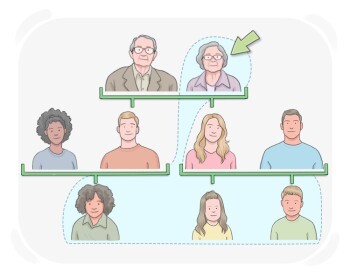
grandmother
grandmother
[sostantivo]

the woman who is our mom or dad's mother

nonna

nonna

Ex: You should call your grandmother and wish her a happy birthday. 

Dovresti chiamare tua nonna e augurarle buon compleanno.

Chiudi
Accedi
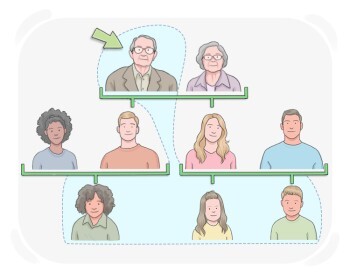
grandfather
grandfather
[sostantivo]

the man who is our mom's or dad's father

nonno

nonno

Ex: You should ask your grandfather for advice on how to fix your bike. 

Dovresti chiedere consiglio a tuo nonno su come riparare la tua bicicletta.

Chiudi
Accedi
niece
niece
[sostantivo]

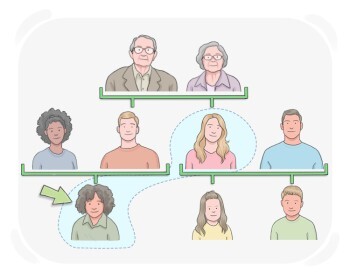
our sister or brother's daughter, or the daughter of our husband or wife's siblings

nipote

nipote

Ex: She and her niece enjoy gardening and planting flowers in the backyard. 

Lei e sua nipote amano fare giardinaggio e piantare fiori nel cortile.
Chiudi
Accedi
nephew
nephew
[sostantivo]

our sister or brother's son, or the son of our husband or wife's siblings

nipote

nipote

Ex: The proud uncle held his newborn nephew in his arms. 

Lo zio orgoglioso teneva in braccio il suo nipote appena nato.
Chiudi
Accedi
sister-in-law
sister-in-law
[sostantivo]

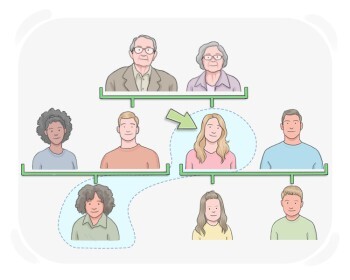
the person who is the sister of one's spouse

cognata

cognata

Ex: She and her sister-in-law enjoy shopping trips and spa days together, strengthening their sisterly bond. 

Lei e sua cognata si divertono insieme a fare viaggi di shopping e giornate spa, rafforzando il loro legame fraterno.
Chiudi
Accedi
aunt
aunt
[sostantivo]

the sister of our mother or father or their sibling's wife

zia

zia

Ex: We love when our aunt comes to visit because she's always full of fun ideas. 

Adoriamo quando nostra zia viene a trovarci perché è sempre piena di idee divertenti.

Chiudi
Accedi
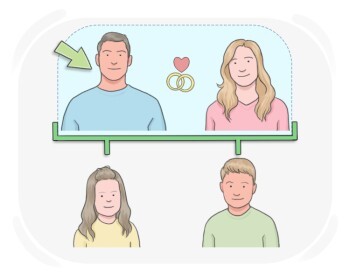
uncle
uncle
[sostantivo]

the brother of our father or mother or their sibling's husband

zio
zio

Ex: You should ask your uncle to share stories about your family's history and traditions. 

Dovresti chiedere a tuo zio di condividere storie sulla storia e le tradizioni della tua famiglia.

Chiudi
Accedi
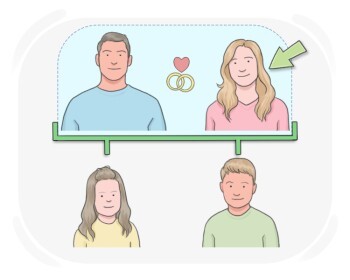
husband
husband
[sostantivo]

the man you are officially married to

marito
marito

Ex: She introduced her husband as a successful entrepreneur during the charity event. 

Ha presentato suo marito come un imprenditore di successo durante l'evento di beneficenza.

Chiudi
Accedi
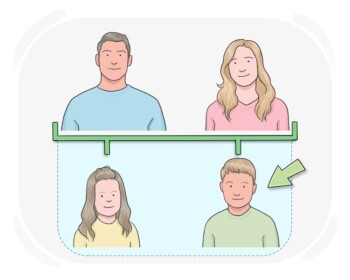
wife
wife
[sostantivo]

the lady you are officially married to

moglie
moglie

Ex: Tom and his wife have been happily married for over 20 years, and they still have a strong bond. 

Tom e sua moglie sono felicemente sposati da oltre 20 anni e hanno ancora un legame forte.

Chiudi
Accedi
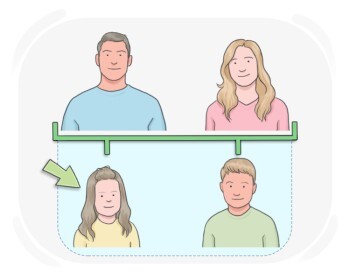
brother
brother
[sostantivo]

a man who shares a mother and father with us

fratello
fratello

Ex: She doesn't have any brothers, but she has a close friend who's like a brother to her. 

Lei non ha nessun fratello, ma ha un amico stretto che è come un fratello per lei.

Chiudi
Accedi
sister
sister
[sostantivo]

a lady who shares a mother and father with us

sorella

sorella

Ex: You should talk to your sister and see if she can help you with your problem. 

Dovresti parlare con tua sorella e vedere se può aiutarti con il tuo problema.

Chiudi
Accedi
relative
relative
[sostantivo]

a family member who is related to us by blood or marriage

relativo

relativo

Ex: Despite living far away, we keep in touch with our relatives through video calls. 

Nonostante viviamo lontani, restiamo in contatto con i nostri parenti attraverso le videochiamate.

Chiudi
Accedi
surgeon
surgeon
[sostantivo]

a doctor who performs medical operation

chirurgo

chirurgo

Ex: The surgeon explained the risks and benefits of the operation to the patient before proceeding. 

Il chirurgo ha spiegato i rischi e i benefici dell'operazione al paziente prima di procedere.

Chiudi
Accedi
medical
medical
[aggettivo]

related to medicine, treating illnesses, and health

medico

medico

Ex: The pharmaceutical company conducts research to develop new medical treatments for diseases. 

L'azienda farmaceutica conduce ricerche per sviluppare nuovi trattamenti medici per le malattie.

Chiudi
Accedi
to aid
to aid
[Verbo]

to help or support others in doing something

autare
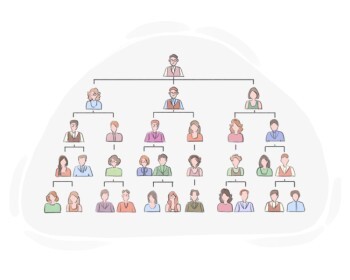
autare

Ex: He aided his friend in preparing for the exam. 

Ha aiutato il suo amico a prepararsi per l'esame.

Chiudi
Accedi
organization
organization
[sostantivo]

a group of people who work together for a particular reason, such as a business, department, etc.

organizzazione

organizzazione

Ex: Volunteers help the organization achieve its goals. 

I volontari aiutano l'organizzazione a raggiungere i suoi obiettivi.

Chiudi
Accedi
writer
writer
[sostantivo]

someone whose job involves writing articles, books, stories, etc.

scrittore

scrittore

Ex: The writer signed books for her fans at the event. 

Lo scrittore ha firmato libri per i suoi fan all'evento.

Chiudi
Accedi
to travel
to travel
[Verbo]

to go from one location to another, particularly to a far location

viaggiare

viaggiare

Ex: We decided to travel by plane to reach our destination faster. 

Abbiamo deciso di viaggiare in aereo per raggiungere la nostra destinazione più velocemente.

Chiudi
Accedi
experience
experience
[sostantivo]

the skill and knowledge we gain from doing, feeling, or seeing things

esperienza

esperienza

Ex: Life experience teaches us valuable lessons that we carry with us throughout our lives. 

L'esperienza di vita ci insegna lezioni preziose che portiamo con noi per tutta la vita.

Chiudi
Accedi
magazine
magazine
[sostantivo]

a colorful thin book that has news, pictures, and stories about different things like fashion, sports, and animals, usually issued weekly or monthly

rivista
rivista

Ex: The library has a wide selection of magazines on different subjects. 

La biblioteca ha un'ampia selezione di riviste su diversi argomenti.

Chiudi
Accedi
to treat
to treat
[Verbo]

to deal with or behave toward someone or something in a particular way

trattare
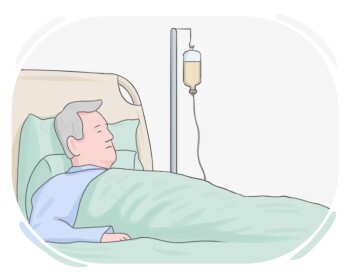
trattare

Ex: They treated the child like a member of their own family. 

Hanno trattato il bambino come un membro della loro famiglia.

Chiudi
Accedi
patient
patient
[sostantivo]

someone who is receiving medical treatment, particularly in a hospital or from a doctor

paziente

paziente

Ex: The hospital provides excellent care for all their patients. 

L'ospedale fornisce un'assistenza eccellente a tutti i suoi pazienti.

Chiudi
Accedi
visit
visit
[sostantivo]

a planned meeting with a professional, such as a doctor or lawyer, to seek advice, receive treatment, or discuss a specific matter

consulto, visita

consulto, visita

Ex: The clinic charges a fee for each visit. 
Chiudi
Accedi
to miss
to miss
[Verbo]

to feel sad because we no longer can see someone or do something

mancare, rimpiangere

mancare, rimpiangere

Ex: We miss the warm summer days during the cold winter months. 

Ci mancano i giorni caldi dell'estate durante i freddi mesi invernali.

Chiudi
Accedi
to live
to live
[Verbo]

to have your home somewhere specific

abitare, vivere
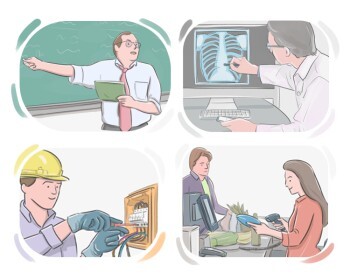
abitare, vivere

Ex: Despite the challenges, they choose to live in a rural community for a slower pace of life. 

Nonostante le sfide, scelgono di vivere in una comunità rurale per un ritmo di vita più lento.

Chiudi
Accedi
to work
to work
[Verbo]

to do certain physical or mental activities in order to achieve a result or as a part of our job

lavorare

lavorare

Ex: They're in the studio, working on their next album. 

Sono in studio, lavorando al loro prossimo album.

Chiudi
Accedi
to study
to study
[Verbo]

to spend time to learn about certain subjects by reading books, going to school, etc.

studiare
studiare

Ex: She studied the history of art for her final paper. 

Lei ha studiato la storia dell'arte per la sua tesi finale.

Chiudi
Accedi
musical instrument
musical instrument
[sostantivo]

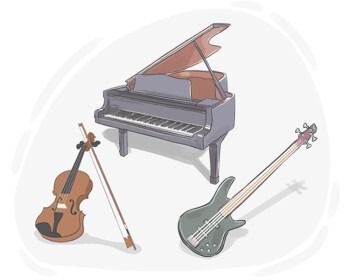
an object or device used for producing music, such as a violin or a piano

strumento musicale

strumento musicale

Ex: A harp is a beautiful but challenging musical instrument to learn. 

Un'arpa è un strumento musicale bello ma impegnativo da imparare.

Chiudi
Accedi
typical
typical
[aggettivo]

having or showing the usual qualities of a particular group of people or things

tipico

tipico

Ex: The typical breakfast in this region consists of eggs, toast, and coffee. 

La colazione tipica in questa regione consiste in uova, toast e caffè.

Chiudi
Accedi
all
all
[Determinante]

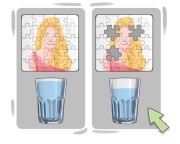
used to refer to every number, part, amount of something or a particular group

tutto

tutto

Ex: They have watched all the episodes of that series. 

Loro hanno guardato tutti gli episodi di quella serie.
Chiudi
Accedi
nearly
nearly
[avverbio]

to a degree that is close to being complete

cosi

cosi

Ex: He’s nearly 30 but still behaves like a teenager sometimes. 

Ha quasi 30 anni ma a volte si comporta ancora come un adolescente.

Chiudi
Accedi
most
most
[avverbio]

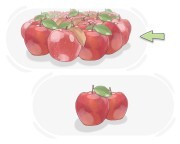
used to refer to someone or something that possesses the highest degree or amount of a particular quality

più

più

Ex: Of all the candidates, she is the most qualified for the position. 

Tra tutti i candidati, lei è la più qualificata per la posizione.
Chiudi
Accedi
many
many
[Determinante]

used to indicate a large number of people or things

molti

molti

Ex: There are many stars visible in the night sky. 

Ci sono molte stelle visibili nel cielo notturno.

Chiudi
Accedi
a lot of
a lot of
[Determinante]

people or things in large numbers or amounts

un sacco di, molto

un sacco di, molto

Ex: He spends a lot of time practicing the piano every day. 

Lui passa molto tempo a praticare il pianoforte ogni giorno.

Chiudi
Accedi
some
some
[Determinante]

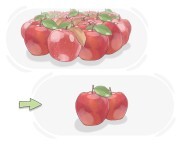
used to express an unspecified amount or number of something

alcuni, qualche

alcuni, qualche

Ex: I need some sugar for my coffee. 

Ho bisogno di un po' di zucchero per il mio caffè.
Chiudi
Accedi
few
few
[Determinante]

a small unspecified number of people or things

pochi

pochi

Ex: We should arrive in a few minutes. 

Dovremmo arrivare in pochi minuti.

Chiudi
Accedi
no one
no one
[Pronome]

used to say not even one person

nessuno

nessuno

Ex: No one could solve the mystery of the missing keys. 

Nessuno è riuscito a risolvere il mistero delle chiavi scomparse.

Chiudi
Accedi
to spend
to spend
[Verbo]

to use money as a payment for services, goods, etc.

spendere

spendere

Ex: She doesn't like to spend money on things she doesn't need. 

A lei non piace spendere soldi per cose di cui non ha bisogno.

Chiudi
Accedi
fresh
fresh
[aggettivo]

(of air) natural, unpolluted, and clean

fresco, puro

fresco, puro

Ex: Nothing feels better than breathing in the fresh air by the ocean. 

Niente è più bello che respirare l'aria fresca vicino all'oceano.

Chiudi
Accedi
air
air
[sostantivo]

the mixture of gases, primarily oxygen and nitrogen, that surrounds the Earth and is essential for breathing

aria

aria

Ex: The laboratory monitors the quality of the air. 

Il laboratorio monitora la qualità dell'aria.

Chiudi
Accedi
beach
beach
[sostantivo]

an area of sand or small stones next to a sea or a lake

spiaggia

spiaggia

Ex: We had a picnic on the sandy beach, enjoying the ocean breeze. 

Abbiamo fatto un picnic sulla spiaggia sabbiosa, godendo della brezza oceanica.

Chiudi
Accedi
summer
summer
[sostantivo]

the season that comes after spring and in most countries summer is the warmest season

estate

estate

Ex: Summer is the season for outdoor concerts and festivals. 

L'estate è la stagione dei concerti e festival all'aperto.

Chiudi
Accedi
course
course
[sostantivo]

a series of lessons or lectures on a particular subject

corso

corso

Ex: The university offers a course in computer programming for beginners. 

L'università offre un corso di programmazione informatica per principianti.

Chiudi
Accedi
often
often
[avverbio]

on many occasions

spesso

spesso

Ex: He often attends cultural events in the city. 

Lui spesso partecipa a eventi culturali in città.

Chiudi
Accedi
tired
tired
[aggettivo]

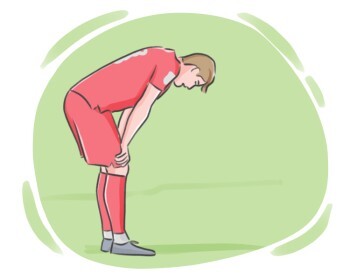
needing to sleep or rest because of not having any more energy

stanco

stanco

Ex: The toddler was too tired to finish his dinner. 

Il bambino era troppo stanco per finire la sua cena.

Chiudi
Accedi
boring
boring
[aggettivo]

making us feel tired and unsatisfied because of not being interesting

noioso

noioso

Ex: The TV show was boring, so I switched the channel. 

Lo show televisivo era noioso, quindi ho cambiato canale.

Chiudi
Accedi
homework
homework
[sostantivo]

schoolwork that students have to do at home

compiti a casa
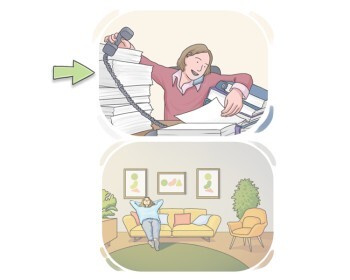
compiti a casa

Ex: We use textbooks and online resources to help us with our homework. 

Utilizziamo libri di testo e risorse online per aiutarci con i nostri compiti.

Chiudi
Accedi
busy
busy
[aggettivo]

having so many things to do in a way that leaves not much free time

occupato

occupato

Ex: The event planner became exceptionally busy with coordinating logistics and ensuring everything ran smoothly. 

Il pianificatore di eventi è diventato eccezionalmente occupato nel coordinare la logistica e assicurarsi che tutto funzionasse senza intoppi.

Chiudi
Accedi
effort
effort
[sostantivo]

an attempt to do something, particularly something demanding

sforzo
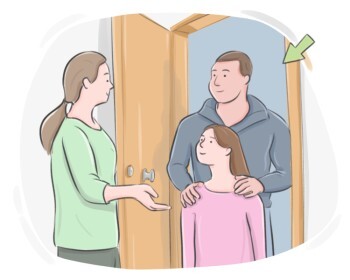
sforzo

Ex: The rescue team made every effort to locate the missing hikers before nightfall. 

La squadra di soccorso ha fatto ogni sforzo per localizzare gli escursionisti dispersi prima del tramonto.

Chiudi
Accedi
to come over

to come to someone's house in order to visit them for a short time

venire (in visita)

venire (in visita)

Ex: The kids are bored.  Let's invite their friends to come over and play. 

I bambini sono annoiati. Invitiamo i loro amici a venire a giocare.

Chiudi
Accedi
twice
twice
[avverbio]

for two instances

due volte

due volte

Ex: She called her friend twice yesterday. 

Ha chiamato il suo amico due volte ieri.

Chiudi
Accedi
LanGeek
Scarica l'app LanGeek