
책 Interchange - 초중급 - 단위 5

여기에서는 Interchange Pre-Intermediate 교과서의 5과에서 "도움", "형수", "신선한" 등의 어휘를 찾을 수 있습니다.

review-disable

리뷰

flashcard-disable

플래시카드

spelling-disable

철자법

quiz-disable

퀴즈

학습 시작
책 Interchange - 초중급
interesting [형용사]

catching and keeping our attention because of being unusual, exciting, etc.

اجرا کردن

흥미로운

Ex: I read an interesting article about space exploration in the newspaper .

나는 신문에서 우주 탐사에 관한 흥미로운 기사를 읽었다.

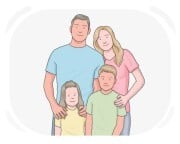
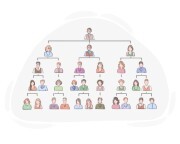
family [명사]

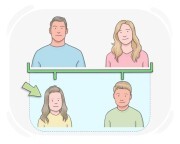
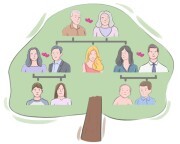
people that are related to each other by blood or marriage, normally made up of a father, mother, and their children

اجرا کردن

가족

Ex: Family is important to me because they support me when I need it .

가족은 내게 중요합니다. 왜냐하면 내가 필요할 때 그들이 나를 지원해주기 때문입니다.

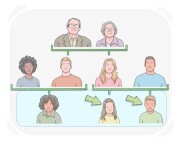
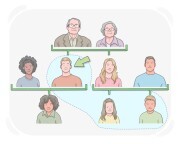
cousin [명사]

our aunt or uncle's child

اجرا کردن

사촌

Ex: Her cousin is like a brother to her , and they share many interests and hobbies .

그녀의 사촌은 그녀에게 형제와 같으며, 그들은 많은 관심사와 취미를 공유합니다.

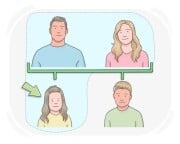
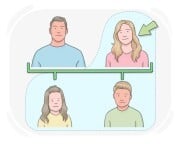
daughter [명사]

a person's female child

اجرا کردن

Ex: Emily could n't wait to meet her newborn daughter and hold her in her arms for the first time .

에밀리는 갓 태어난 을 만나 처음으로 팔에 안는 것을 기다릴 수 없었습니다.

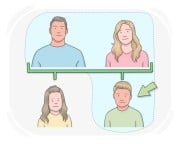
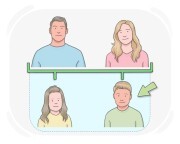
son [명사]

a person's male child

اجرا کردن

아들

Ex: John is a loving father who takes great pride in raising his two sons .

존은 두 아들을 키우는 것을 매우 자랑스러워하는 사랑스러운 아버지입니다.

mother [명사]

a child's female parent

اجرا کردن

어머니

Ex: Mothers play a vital role in nurturing and shaping their children 's lives .

어머니는 자녀의 삶을 양육하고 형성하는 데 중요한 역할을 합니다.

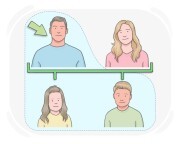
father [명사]

a child's male parent

اجرا کردن

아버지

Ex: As a father , he takes great joy in spending quality time with his children and creating lasting memories .

아버지로서, 그는 아이들과 질적인 시간을 보내고 오래 기억에 남을 추억을 만드는 것을 큰 기쁨으로 여깁니다.

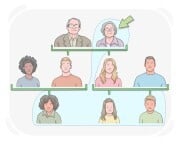
grandmother [명사]

the woman who is our mom or dad's mother

اجرا کردن

할머니

Ex: Grandmothers love spending time with their grandchildren and spoil them with candy .

할머니들은 손주들과 시간을 보내는 것을 좋아하고 과자로 그들을 응석받이로 만듭니다.

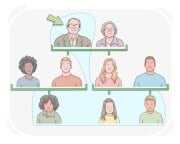
grandfather [명사]

the man who is our mom's or dad's father

اجرا کردن

할아버지

Ex: He enjoys spending time with his grandfather , playing chess and telling jokes .

그는 할아버지와 시간을 보내며 체스를 두고 농담을 나누는 것을 즐깁니다.

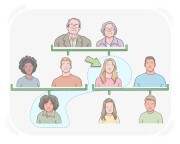
niece [명사]

our sister or brother's daughter, or the daughter of our husband or wife's siblings

اجرا کردن

조카딸

Ex: He loves spending time with his niece , teaching her how to play guitar .

그는 조카와 시간을 보내며 그녀에게 기타를 치는 법을 가르치는 것을 좋아합니다.

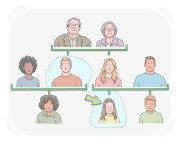
nephew [명사]

our sister or brother's son, or the son of our husband or wife's siblings

اجرا کردن

조카

Ex: I bought a toy for my nephew 's birthday .

나는 조카의 생일을 위해 장난감을 샀다.

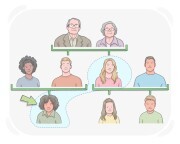
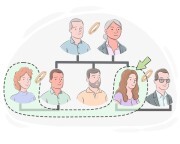
the person who is the sister of one's spouse

اجرا کردن

형수

Ex: She has a close relationship with her sister-in-law , often confiding in her like a sister .

그녀는 형수와 가까운 관계를 가지고 있으며, 종종 그녀를 자매처럼 신뢰합니다.

aunt [명사]

the sister of our mother or father or their sibling's wife

اجرا کردن

이모

Ex: Anne 's aunt always sends her birthday cards and gifts .

앤의 이모는 항상 그녀에게 생일 카드와 선물을 보냅니다.

uncle [명사]

the brother of our father or mother or their sibling's husband

اجرا کردن

삼촌

Ex: His uncle is like a second father to him .

그의 삼촌은 그에게 제2의 아버지와 같다.

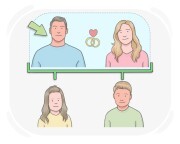
husband [명사]

the man you are officially married to

اجرا کردن

남편

Ex: As a loving husband , he surprises his wife with romantic gestures on special occasions .

사랑하는 남편으로서, 그는 특별한 날에 로맨틱한 제스처로 아내를 놀라게 합니다.

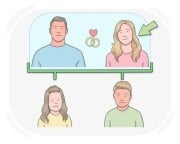
wife [명사]

the lady you are officially married to

اجرا کردن

아내

Ex: As a devoted wife , she takes care of the household chores and ensures a comfortable home for her family .

헌신적인 아내로서, 그녀는 가사일을 돌보고 가족을 위한 편안한 집을 보장합니다.

brother [명사]

a man who shares a mother and father with us

اجرا کردن

형제

Ex: Emily 's brother likes to play video games and watch sports on TV .

에밀리의 오빠는 비디오 게임을 하고 TV로 스포츠를 보는 것을 좋아합니다.

sister [명사]

a lady who shares a mother and father with us

اجرا کردن

자매

Ex: My dad has two sisters , both of whom are older than him .

우리 아버지에게는 두 명의 누나가 있는데, 둘 다 아버지보다 나이가 많습니다.

relative [명사]

a family member who is related to us by blood or marriage

اجرا کردن

친척

Ex: My grandparents , aunts , uncles , and cousins are all my relatives .

할아버지, 할머니, 이모, 삼촌, 사�들은 모두 나의 친척입니다.

surgeon [명사]

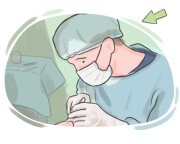
a doctor who performs medical operation

اجرا کردن

외과 의사

Ex: The surgeon successfully completed the operation to remove the tumor from the patient ’s abdomen .

외과 의사가 환자의 복부에서 종양을 제거하는 수술을 성공적으로 완료했습니다.

medical [형용사]

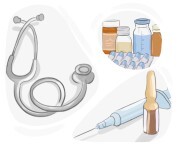
related to medicine, treating illnesses, and health

اجرا کردن

의료의

Ex: She pursued a career in the medical field to help others improve their health .

그녀는 다른 사람들의 건강을 개선하는 데 도움을 주기 위해 의료 분야에서 경력을 쌓았습니다.

to aid [동사]

to help or support others in doing something

اجرا کردن

도와주다

Ex: The organization aids communities affected by natural disasters .

그 조직은 자연 재해의 영향을 받은 커뮤니티를 도움니다.

a group of people who work together for a particular reason, such as a business, department, etc.

اجرا کردن

조직

Ex: He is the founder of a new sports organization .

그는 새로운 스포츠 조직의 창립자입니다.

writer [명사]

someone whose job involves writing articles, books, stories, etc.

اجرا کردن

작가

Ex: He 's a writer who focuses on science fiction .

그는 공상과학에 초점을 맞춘 작가입니다.

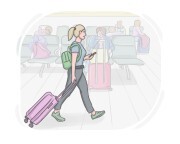
to travel [동사]

to go from one location to another, particularly to a far location

اجرا کردن

여행하다

Ex: He travels for work and often visits different cities for business meetings .

그는 일 때문에 여행을 하고 비즈니스 미팅을 위해 종종 다른 도시를 방문합니다.

experience [명사]

the skill and knowledge we gain from doing, feeling, or seeing things

اجرا کردن

경험

Ex: Her years of experience as a chef have made her an expert in the kitchen .

요리사로서의 그녀의 여러 해 경험은 그녀를 부엌의 전문가로 만들었습니다.

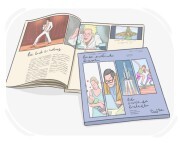
magazine [명사]

a colorful thin book that has news, pictures, and stories about different things like fashion, sports, and animals, usually issued weekly or monthly

اجرا کردن

잡지

Ex: I often read parenting magazines to get advice on raising my children .

나는 아이들을 키우는 데 대한 조언을 얻기 위해 종종 육아 잡지를 읽습니다.

to treat [동사]

to deal with or behave toward someone or something in a particular way

اجرا کردن

대하다

Ex: Always treat animals with care and compassion .

항상 동물을 돌봄과 연민으로 대하세요.

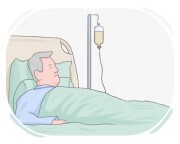
patient [명사]

someone who is receiving medical treatment, particularly in a hospital or from a doctor

اجرا کردن

환자

Ex: As a nurse , she must be kind and attentive to all her patients .

간호사로서, 그녀는 모든 환자들에게 친절하고 세심해야 합니다.

visit [명사]

a planned meeting with a professional, such as a doctor or lawyer, to seek advice, receive treatment, or discuss a specific matter

اجرا کردن

상담

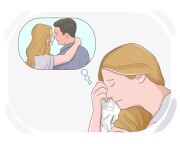
to miss [동사]

to feel sad because we no longer can see someone or do something

اجرا کردن

그리워하다

Ex: She missed her childhood home after moving to a new city .

그녀는 새로운 도시로 이사한 후 어린 시절 집을 그리워했다.

to live [동사]

to have your home somewhere specific

اجرا کردن

살다

Ex: She prefers to live in a quiet country side away from crowded cities.

그녀는 붐비는 도시에서 멀리 떨어진 조용한 시골에서 살기를 선호합니다.

to work [동사]

to do certain physical or mental activities in order to achieve a result or as a part of our job

اجرا کردن

일하다

Ex: He's been working on his presentation for hours.

그는 몇 시간 동안 프레젠테이션을 작업하고 있습니다.

to study [동사]

to spend time to learn about certain subjects by reading books, going to school, etc.

اجرا کردن

공부하다

Ex: She spends hours every day to study for her upcoming exams .

그녀는 다가오는 시험을 위해 매일 몇 시간씩 공부한다.

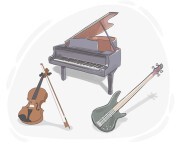
an object or device used for producing music, such as a violin or a piano

اجرا کردن

악기

Ex: She plays the violin , her favorite musical instrument .

그녀는 바이올린을 연주합니다, 그녀가 가장 좋아하는 악기입니다.

typical [형용사]

having or showing the usual qualities of a particular group of people or things

اجرا کردن

전형적인

Ex: It 's typical for toddlers to start walking between the ages of 9 and 15 months .

9개월에서 15개월 사이에 걷기 시작하는 것은 유아에게 전형적입니다.

all [한정사]

used to refer to every number, part, amount of something or a particular group

اجرا کردن

모든

Ex: All books on this shelf belong to me .

이 선반에 있는 모든 책은 제 것입니다.

nearly [부사]

to a degree that is close to being complete

اجرا کردن

거의

Ex: I ’ve nearly finished reading that book you lent me .

네가 빌려준 그 책을 거의 다 읽었어.

most [부사]

used to refer to someone or something that possesses the highest degree or amount of a particular quality

اجرا کردن

가장

Ex: He is the most intelligent student in the school .

그는 학교에서 가장 똑똑한 학생입니다.

many [한정사]

used to indicate a large number of people or things

اجرا کردن

많은

Ex: He made many mistakes in his assignment .

그는 과제에서 많은 실수를 했다.

a lot of [한정사]

people or things in large numbers or amounts

اجرا کردن

많은

Ex: She has a lot of books on her bookshelf .

그녀는 책장에 많은 책을 가지고 있다.
some [한정사]

used to express an unspecified amount or number of something

اجرا کردن

일부

Ex: I need to buy some groceries .

나는 약간의 식료품을 사야 합니다.
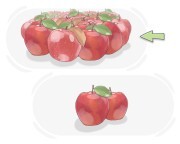
few [한정사]

a small unspecified number of people or things

اجرا کردن

적은

Ex: Few people understand the complexity of this issue .
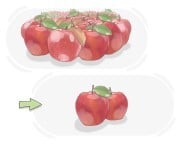
소수만이 이 문제의 복잡성을 이해합니다.

no one [대명사]

used to say not even one person

اجرا کردن

아무도

Ex: No one believed his outrageous claims about aliens .

아무도 그가 외계인에 대해 한 터무니없는 주장을 믿지 않았다.

to spend [동사]

to use money as a payment for services, goods, etc.

اجرا کردن

쓰다

Ex: She spent a lot on gifts for her family during the holiday season .

그녀는 휴가 시즌 동안 가족을 위한 선물에 많은 돈을 썼다.

fresh [형용사]

(of air) natural, unpolluted, and clean

اجرا کردن

신선한

Ex: We went for a walk to enjoy some fresh air after being indoors all day.

하루 종일 실내에 있다가 신선한 공기를 즐기기 위해 산책을 나갔습니다.

air [명사]

the mixture of gases, primarily oxygen and nitrogen, that surrounds the Earth and is essential for breathing

اجرا کردن

the mixture of gases, primarily oxygen and nitrogen, that surrounds the Earth and is essential for breathing

Ex: He could feel the warm air on his face as he stepped outside .
beach [명사]

an area of sand or small stones next to a sea or a lake

اجرا کردن

해변

Ex: I buried my feet in the warm sand at the beach .

나는 해변의 따뜻한 모래에 발을 묻었다.

summer [명사]

the season that comes after spring and in most countries summer is the warmest season

اجرا کردن

여름

Ex: I enjoy eating ice cream to cool down in the hot summer months .

나는 더운 여름 달에 시원해지기 위해 아이스크림을 먹는 것을 즐깁니다.

course [명사]

a series of lessons or lectures on a particular subject

اجرا کردن

과정

Ex: He completed a photography course to enhance his camera skills .

그는 카메라 기술을 향상시키기 위해 사진 과정을 완료했습니다.

often [부사]

on many occasions

اجرا کردن

자주

Ex: He often helps his neighbors with their chores .

그는 이웃들의 집안일을 자주 도와줍니다.

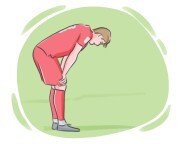
tired [형용사]

needing to sleep or rest because of not having any more energy

اجرا کردن

피곤한

Ex: After a long day at work , he felt extremely tired .

긴 하루 일을 한 후, 그는 극도로 피곤하다고 느꼈다.

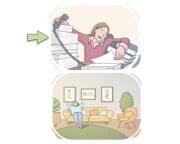
boring [형용사]

making us feel tired and unsatisfied because of not being interesting

اجرا کردن

지루한

Ex: She finds doing the laundry a boring task .

그녀는 빨래를 하는 것을 지루한 일로 여긴다.

homework [명사]

schoolwork that students have to do at home

اجرا کردن

숙제

Ex: I always double-check my homework to ensure it is accurate .

나는 항상 내 숙제를 다시 확인하여 정확한지 확인합니다.

busy [형용사]

having so many things to do in a way that leaves not much free time

اجرا کردن

바쁜

Ex: As a student , Jenny is always busy with assignments , exams , and extracurricular activities .

학생으로서 제니는 항상 과제, 시험, 그리고 과외 활동으로 바쁘다.

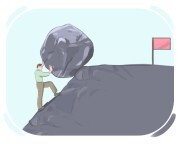
effort [명사]

an attempt to do something, particularly something demanding

اجرا کردن

노력

Ex: Despite her best effort , she could n't solve the puzzle .

그녀의 최선의 노력에도 불구하고, 그녀는 퍼즐을 풀 수 없었다.

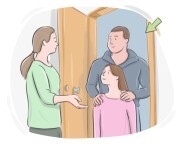
to come to someone's house in order to visit them for a short time

اجرا کردن

들르다

Ex: Why do n't you come over to my place for dinner tonight ?

오늘 저녁에 내 집에 와서 저녁 먹을래?

twice [부사]

for two instances

اجرا کردن

두 번

Ex: She visited the museum twice .

그녀는 박물관을 두 번 방문했다.