
Il libro Total English - Intermedio Superiore - Unità 2 - Riferimento
Qui troverai il vocabolario dell'Unità 2 - Riferimento nel corso Total English Upper-Intermediate, come "il virus del viaggio", "vagare", "pietrificato", ecc.
Revisione
Flashcard
forme
Ortografia
Quiz


a strong urge to travel or leave somewhere

gran voglia di partire, smania di viaggiare
Anche un tranquillo weekend a casa può fargli venire la smania di partire.
a strong desire to travel and explore new places
il virus del viaggio, la passione per i viaggi
Le avventure dei suoi genitori gli hanno trasmesso la passione per i viaggi fin da giovane.
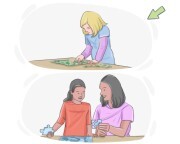
able to do things as one wants without needing help from others
indipendente
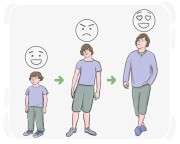
to personally be involved in and understand a particular situation, event, etc.
sperimentare
the feeling of disorientation and confusion that people experience when they are in a new and unfamiliar cultural environment
shock culturale, disorientamento culturale
Studiare all'estero l'ha aiutata a superare il suo iniziale shock culturale.

to walk or move somewhere slowly and casually, often taking an indirect route
girovagare
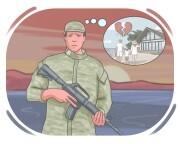
feeling sad because of being away from one's home
nostalgico
Hanno cercato di aiutarla a sentirsi meno nostalgica pianificando videochiamate con la sua famiglia.

intensely interested or captivated by something or someone
affascinato
È diventato affascinato dal processo di creazione della ceramica dopo aver frequentato un corso.
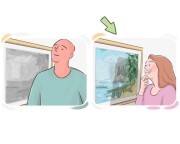
extremely interesting or captivating
affascinante
I trucchi del mago sono affascinanti da guardare, lasciando il pubblico incantato.
feeling intimidated, discouraged, or overwhelmed by a task or situation
intimidito, scoraggiato
intimidating, challenging, or overwhelming in a way that creates a sense of fear or unease
scoraggiante
Scrivere un romanzo può essere impegnativo, ma con dedizione e perseveranza, è realizzabile.
difficult to accomplish, requiring skill or effort
impegnativo
Completare il percorso a ostacoli è stato impegnativo, spingendo i partecipanti ai loro limiti fisici.
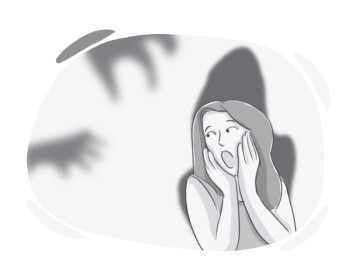
frozen in place, often due to shock or fear
pietrificato, congelato
In presenza delle onde giganti, i bagnanti sono rimasti pietrificati e senza parole.
causing extreme fear or terror, often to the point of paralysis or immobility
terrorizzante, pietrificante
Camminare da solo di notte nella foresta è stata un'esperienza agghiacciante.
feeling slightly angry or irritated
seccato
L'espressione irritata sul suo volto mostrava la sua frustrazione con la lenta connessione internet.
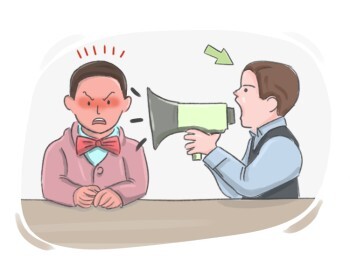
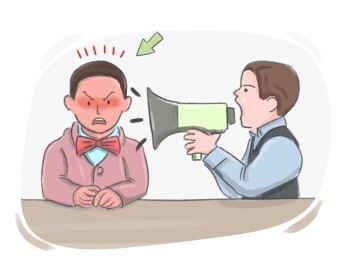
causing slight anger
fastidioso
Il ronzio fastidioso delle zanzare li ha tenuti svegli tutta la notte.
having or displaying great dislike for something
disgustato
Si è sentita disgustata dalle condizioni sporche del bagno pubblico.

extremely unpleasant
disgustoso
Il comportamento disgustoso dei bulli ha fatto sentire a disagio gli altri studenti.
impressive or exceptional in a way that seems the result of a sudden creative impulse
ispirare
Il finale del film è stato un colpo di scena ispirato.
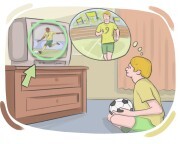
producing feelings of motivation, enthusiasm, or admiration
ispirante, motivante
Le sue parole di saggezza ispiratrici hanno sollevato lo spirito di tutti coloro che le hanno ascoltate.
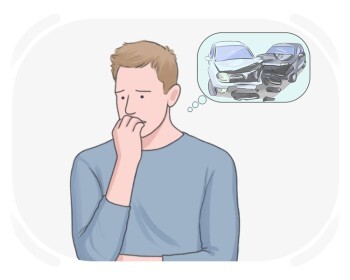
feeling unhappy and afraid because of something that has happened or might happen
preoccupato
Era preoccupato per la sicurezza del suo lavoro, sentendosi a disagio per i recenti licenziamenti dell'azienda.
creating a sense of unease or distress about potential negative outcomes
preoccupante
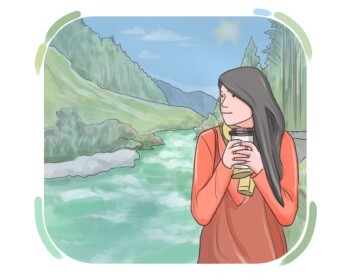
having a pleasantly mild, low temperature
fresco
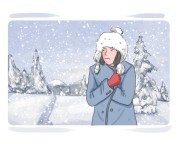
cold in an unpleasant or uncomfortable way
fresco
Una brezza gelida spazzava le strade deserte.

having below zero degrees Celsius or Fahrenheit
sotto zero, negativo
Gli animali artici sono adattati a sopravvivere in ambienti sotto zero tutto l'anno.

(of weather) pleasantly warm or not as cold as usual
gentile
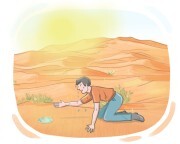
(of weather or temperature) extremely hot, causing intense heat and discomfort
rovente, torrido
L'aria rovente rendeva difficile respirare, anche all'ombra.
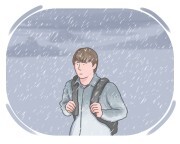
to rain heavily and in a large amount
piovere a dirotto
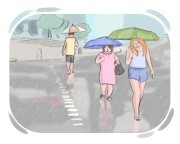
rain that falls in small, fine drops, creating a gentle and steady rainfall
pioggerella, acquerugiola
Dopo il forte temporale, una pioggerellina è continuata fino alla sera.
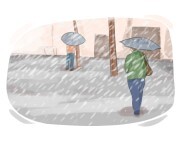
to fall as rain or snow in brief periods
inondare
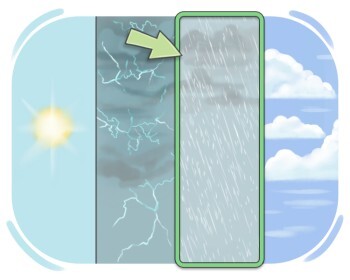
having occasional or brief periods of rain
doccia
Il pomeriggio piovoso ha tenuto la maggior parte delle persone al chiuso, cercando riparo dalla pioggia.
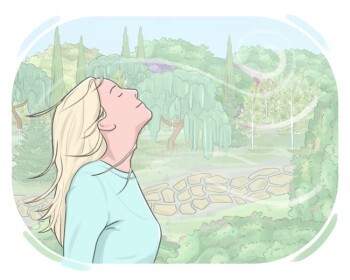
a light, gentle, and often pleasant wind
brezza

having a gentle, refreshing wind
ventoso
Le condizioni ventose hanno reso più piacevoli le attività all'aperto come l'escursionismo.

(of weather or the sky) filled with a lot of dark clouds
nuvoloso, coperto
Abbiamo deciso di rimandare la nostra escursione perché il cielo era completamente coperto e una tempesta sembrava imminente.

(of weather) sunny and without many clouds
luminoso
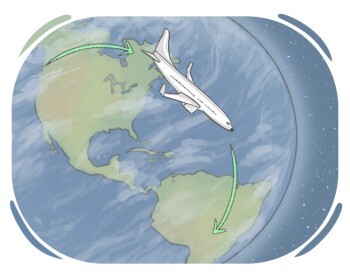
to leave one's own country in order to live in a foreign country
emigrare
Nel XIX secolo, un gran numero di europei scelse di emigrare negli Stati Uniti in cerca di un futuro migliore.
in or traveling to a different country
all'estero
L'azienda ha inviato diversi dipendenti all'estero per la conferenza.

to change one's place of residence or work
trasferirsi, spostarsi
to stop living, working, or being a part of a particular place or group
lasciare
to go from one place to another with no specific destination or purpose in mind
vagare, girovagare
Nei pigri pomeriggi domenicali, adoro gironzolare per le tranquille strade della città vecchia.
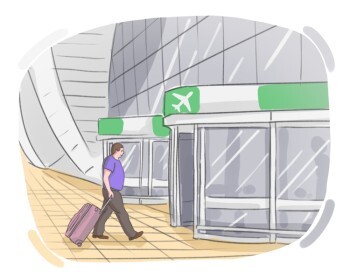
to start a journey
lasciare
I ciclisti partirono per il loro lungo giro in campagna, godendosi l'aria fresca.
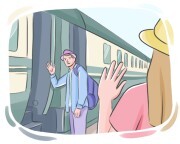
to accompany someone to their point of departure and say goodbye to them
accompagnare alla partenza, accompagnare al punto di partenza e salutare
Il personale e gli studenti della scuola hanno salutato il loro preside in pensione con una cerimonia sentita.
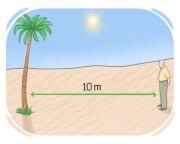
at or to a certain distance away in physical space
lontano
Hanno costruito il nuovo fienile un po' distante da quello vecchio.

to move from a person or place
allontanarsi da una persona o da un luogo, lasciare un posto e andarsene
La pioggia aveva finalmente smesso, e le nuvole cominciarono ad allontanarsi.
to come to be or to happen
venire avanti
Puoi dirmi cosa sta succedendo con i lavori di costruzione accanto?
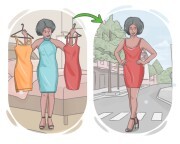
to choose something among other things
preferire
Opterò per il salmone dal menu; è il mio piatto preferito.
![to [go] back on a (promise|deal|pledge)](https://cdn.langeek.co/photo/70257/thumb/350?type=jpeg "to [go] back on a (promise|deal|pledge)")
to fail to keep or fulfill a commitment or assurance made to someone

to become affected by an illness
ammalarsi di una malattia, diventare malato
Si è ammalato di un brutto caso di bronchite e ha dovuto restare a casa per una settimana.
![to [have] a go](https://cdn.langeek.co/photo/43126/thumb/350?type=jpeg "to [have] a go")
to make an attempt to achieve or do something
fare un tentativo, provarci
Ha fatto un tentativo nella competizione, anche se era nuovo in quello sport.
![to [make] a go of {sth}](https://cdn.langeek.co/photo/26353/thumb/350?type=jpeg "to [make] a go of {sth}")
to try to make something successful, often with a significant degree of effort or determination
far funzionare qualcosa, mandare avanti qualcosa con successo
Se ci impegniamo entrambi, possiamo far funzionare questa relazione.

in a state of being actively engaged in various activities or constantly in motion, typically indicating a busy and active lifestyle
sempre in movimento, sempre di corsa
Al nuovo manager piace essere sempre in movimento e odia stare fermo.
![to [go] without saying](https://cdn.langeek.co/photo/46738/thumb/350?type=jpeg "to [go] without saying")
used to say that something is so obvious that there is no need for further explanation
va da sé, è ovvio
Il rispetto per gli ospiti va da sé.
![to [go] back on {one's} word](https://cdn.langeek.co/photo/70259/thumb/350?type=jpeg "to [go] back on {one's} word")
to fail to keep a promise or commitment that was previously made
