pattern

Cartea Total English - Intermediar avansat - Unitatea 2 - Referință

Aici veți găsi vocabularul din Unitatea 2 - Referință în manualul Total English Upper-Intermediate, cum ar fi "virusul călătoriilor", "a cutreiera", "împietrit", etc.

Revizuire

Fișe de studiu

forme

Ortografie

Chestionar

Începe să înveți
Total English - Upper-intermediate
itchy feet
itchy feet
[substantiv]

a strong urge to travel or leave somewhere

dor puternic de ducă, chef de plecare

dor puternic de ducă, chef de plecare

Ex: After six months in the same town, she started getting itchy feet. 

După șase luni în același oraș, a apucat-o dorul de ducă.

Închide
Conectare
travel bug
travel bug
[substantiv]

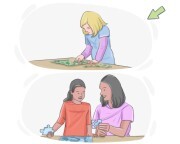
a strong desire to travel and explore new places

virusul călătoriilor, pasiunea pentru călătorii

virusul călătoriilor, pasiunea pentru călătorii

Ex: After her trip to Asia, she caught the travel bug. 

După călătoria ei în Asia, a prins febra călătoriilor.
Închide
Conectare
independent
independent
[adjectiv]

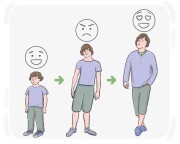
able to do things as one wants without needing help from others

independent
independent

Ex: Despite her young age, she's quite independent, managing her own finances and responsibilities. 
Închide
Conectare
to experience

to personally be involved in and understand a particular situation, event, etc.

experimenta, trăi

experimenta, trăi

Ex: The team will experience the challenges of a tough competition. 
Închide
Conectare
culture shock
culture shock
[substantiv]

the feeling of disorientation and confusion that people experience when they are in a new and unfamiliar cultural environment

șoc cultural, șoc de cultură

șoc cultural, șoc de cultură

Ex: Moving to a new country gave her a serious case of culture shock. 

Mutarea într-o țară nouă i-a cauzat un caz grav de șoc cultural.

Închide
Conectare
to wander
to wander
[verb]

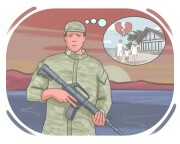
to walk or move somewhere slowly and casually, often taking an indirect route

rătăci,  hoinări
rătăci, hoinări

Ex: Emma wandered into the kitchen to make some coffee. 
Închide
Conectare
homesick
homesick
[adjectiv]

feeling sad because of being away from one's home

dor de casă, simțind nostalgie

dor de casă, simțind nostalgie

Ex: She felt homesick after spending only a week away at college. 

S-a simțit dor de casă după ce a petrecut doar o săptămână departe de casă la facultate.

Închide
Conectare
fascinated
fascinated
[adjectiv]

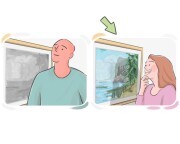
intensely interested or captivated by something or someone

fascinat, captivat

fascinat, captivat

Ex: His fascinated gaze lingered on the intricate design of the antique clock. 

Privirea lui fermecată s-a oprit asupra designului intricat al ceasornicului antic.
Închide
Conectare
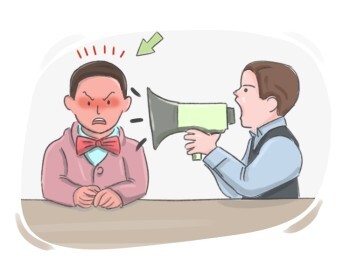
fascinating
fascinating
[adjectiv]

extremely interesting or captivating

fascinant, captivant

fascinant, captivant

Ex: The history of ancient civilizations is endlessly fascinating to archaeologists. 

Istoria civilizațiilor antice este nesfârșit de fascinantă pentru arheologi.
Închide
Conectare
daunted
daunted
[adjectiv]

feeling intimidated, discouraged, or overwhelmed by a task or situation

intimidat, descurajat

intimidat, descurajat

Închide
Conectare
daunting
daunting
[adjectiv]

intimidating, challenging, or overwhelming in a way that creates a sense of fear or unease

intimidant, provocator

intimidant, provocator

Ex: The idea of moving to a new country, learning a new language, and starting from scratch can be daunting for many. 

Ideea de a te muta într-o nouă țară, de a învăța o limbă nouă și de a începe de la zero poate fi intimidantă pentru mulți.

Închide
Conectare
challenging
challenging
[adjectiv]

difficult to accomplish, requiring skill or effort

provocator, dificil

provocator, dificil

Ex: Solving the puzzle proved to be challenging, requiring creative thinking and problem-solving skills. 

Rezolvarea puzzle-ului s-a dovedit a fi provocatoare, necesitând gândire creativă și abilități de rezolvare a problemelor.
Închide
Conectare
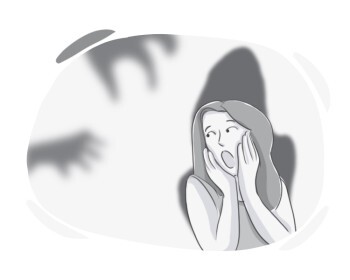
petrified
petrified
[adjectiv]

frozen in place, often due to shock or fear

împietrit, înghețat

împietrit, înghețat

Ex: The petrified deer remained still, sensing danger nearby. 

Cerbul împietrit a rămas nemișcat, simțind pericolul aproape.

Închide
Conectare
petrifying
petrifying
[adjectiv]

causing extreme fear or terror, often to the point of paralysis or immobility

terifiant, pietrificant

terifiant, pietrificant

Ex: The petrifying scream sent chills down his spine. 

Țipătul îngrozitor i-a dat fiori pe șira spinării.

Închide
Conectare
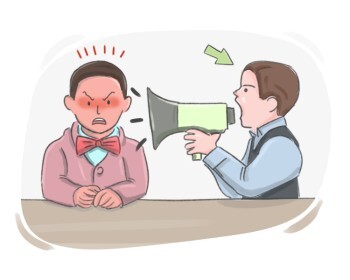
annoyed
annoyed
[adjectiv]

feeling slightly angry or irritated

enervat, iritat

enervat, iritat

Ex: The annoyed expression on her face showed her frustration with the slow internet connection. 

Expresia iritată de pe fața ei arăta frustrarea ei cu conexiunea lentă la internet.
Închide
Conectare
annoying
annoying
[adjectiv]

causing slight anger

enervant, iritant

enervant, iritant

Ex: The annoying sound of construction outside disrupted her concentration. 

Sunetul enervant al construcției din exterior i-a perturbat concentrarea.
Închide
Conectare
disgusted
disgusted
[adjectiv]

having or displaying great dislike for something

dezgustat, scârbit

dezgustat, scârbit

Ex: She felt disgusted by the dirty conditions of the public restroom. 

S-a simțit dezgustată de condițiile murdare ale toaletei publice.

Închide
Conectare
disgusting
disgusting
[adjectiv]

extremely unpleasant

dezgustător, scârbos

dezgustător, scârbos

Ex: The disgusting odor coming from the kitchen made everyone feel sick. 

Mirosul dezgustător care venea din bucătărie i-a făcut pe toți să se simtă rău.

Închide
Conectare
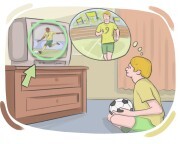
inspired
inspired
[adjectiv]

impressive or exceptional in a way that seems the result of a sudden creative impulse

inspirat, genial

inspirat, genial

Ex: The concert was an inspired performance that left the audience in awe. 

Concertul a fost o interpretare inspirată care a lăsat publicul în uimire.
Închide
Conectare
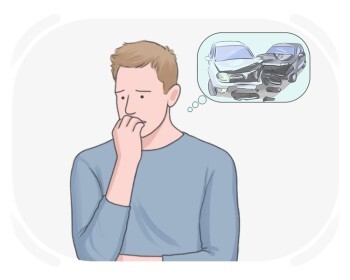
inspiring
inspiring
[adjectiv]

producing feelings of motivation, enthusiasm, or admiration

inspirator, motivant

inspirator, motivant

Ex: The speech delivered by the activist was incredibly inspiring, motivating the audience to take action. 

Discursul ținut de activist a fost incredibil de inspirator, motivând publicul să acționeze.
Închide
Conectare
worried
worried
[adjectiv]

feeling unhappy and afraid because of something that has happened or might happen

îngrijorat, neliniștit

îngrijorat, neliniștit

Ex: She was worried about her upcoming exams, feeling anxious about whether she had studied enough. 

Era îngrijorată de examenele ei viitoare, simțindu-se anxioasă dacă a studiat suficient.

Închide
Conectare
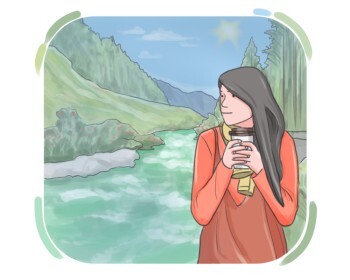
worrying
worrying
[adjectiv]

creating a sense of unease or distress about potential negative outcomes

îngrijorător, alarmant

îngrijorător, alarmant

Ex: The worrying news about the economy's downturn affected investors' confidence. 

Știrile îngrijorătoare despre încetinirea economiei au afectat încrederea investitorilor.
Închide
Conectare
cool
cool
[adjectiv]

having a pleasantly mild, low temperature

răcoros, răcoritor
răcoros, răcoritor

Ex: The cool breeze from the sea made the hot day more enjoyable. 
Închide
Conectare
chilly
chilly
[adjectiv]

cold in an unpleasant or uncomfortable way

rece, friguros

rece, friguros

Ex: She put on a jacket to protect against the chilly wind. 

Ea a pus o jachetă pentru a se proteja de vântul rece.

Închide
Conectare
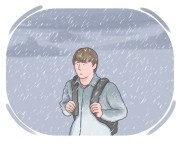
sub-zero
sub-zero
[adjectiv]

having below zero degrees Celsius or Fahrenheit

sub zero, negativ

sub zero, negativ

Ex: The Antarctic winter brings sub-zero temperatures that challenge even the most prepared researchers. 

Iarna antarctică aduce temperaturi sub zero care provoacă chiar și pe cei mai pregătiți cercetători.

Închide
Conectare
mild
mild
[adjectiv]

(of weather) pleasantly warm or not as cold as usual

blând,  moderat
blând, moderat

Ex: We had a mild winter with very little snow. 
Închide
Conectare
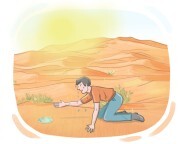
scorching
scorching
[adjectiv]

(of weather or temperature) extremely hot, causing intense heat and discomfort

arzător, torid

arzător, torid

Ex: The scorching sun beat down on the desert sands, creating a shimmering heat haze. 

Soarele arzător lovea nisipurile deșertului, creând o ceață strălucitoare de căldură.
Închide
Conectare
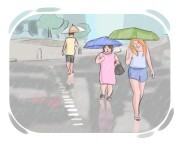
to pour
to pour
[verb]

to rain heavily and in a large amount

a turna,  a ploua cu găleata
a turna, a ploua cu găleata

Ex: The weather forecast predicted it would pour all night. 
Închide
Conectare
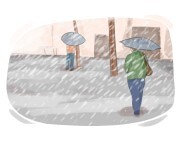
drizzle
drizzle
[substantiv]

rain that falls in small, fine drops, creating a gentle and steady rainfall

burniță, ploaie măruntă

burniță, ploaie măruntă

Ex: The morning began with a light drizzle that refreshed the garden. 

Dimineața a început cu o ușoară burniță care a înviorat grădina.
Închide
Conectare
to shower
to shower
[verb]

to fall as rain or snow in brief periods

a ploua torențial, a cădea averse
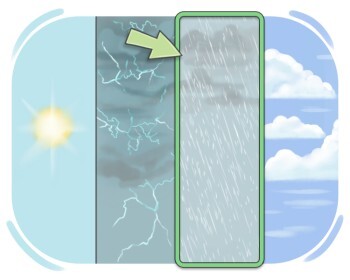
a ploua torențial, a cădea averse

Ex: It showered briefly just before lunch. 
Închide
Conectare
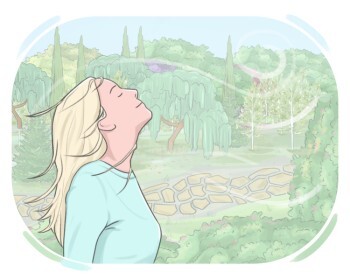
showery
showery
[adjectiv]

having occasional or brief periods of rain

ploios, cu averse

ploios, cu averse

Ex: The forecast predicted showery weather throughout the day, with scattered rain showers. 

Prognoza a prezis vreme ploioasă pe tot parcursul zilei, cu averse împrăștiate.
Închide
Conectare
breeze
breeze
[substantiv]

a light, gentle, and often pleasant wind

briză,  adiere ușoară

briză, adiere ușoară

Ex: A cool breeze came through the open window. 
Închide
Conectare
breezy
breezy
[adjectiv]

having a gentle, refreshing wind

răcoros, proaspăt

răcoros, proaspăt

Ex: The day was breezy, with a gentle wind rustling through the trees. 

Ziua a fost răcoroasă, cu un vânt ușor care foșnea printre copaci.

Închide
Conectare
overcast
overcast
[adjectiv]

(of weather or the sky) filled with a lot of dark clouds

înnorat, acoperit de nori

înnorat, acoperit de nori

Ex: Today's forecast predicts an overcast sky, with little chance of sunshine. 

Prognoza de astăzi prezice un cer înnorat, cu puține șanse de soare.

Închide
Conectare
bright
bright
[adjectiv]

(of weather) sunny and without many clouds

luminos, strălucitor
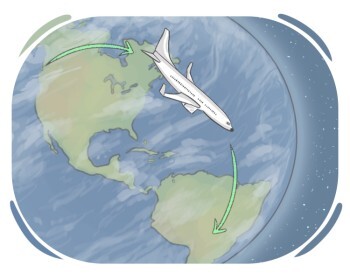
luminos, strălucitor

Ex: They decided to go for a picnic on the beach to enjoy the bright weather. 
Închide
Conectare
to emigrate

to leave one's own country in order to live in a foreign country

emigra, se muta în străinătate

emigra, se muta în străinătate

Ex: Many Irish emigrated to America in the 19th century due to poverty and famine in their homeland. 

Mulți irlandezi au emigrat în America în secolul al XIX-lea din cauza sărăciei și a foametei din țara lor.

Închide
Conectare
abroad
abroad
[adverb]

in or traveling to a different country

în străinătate, în altă țară

în străinătate, în altă țară

Ex: They plan to travel abroad next summer to explore Europe. 

Ei plănuiesc să călătorească în străinătate vara viitoare pentru a explora Europa.

Închide
Conectare
to move
to move
[verb]

to change one's place of residence or work

a se muta, a se reloca

a se muta, a se reloca

Ex: He is moving to a different country to pursue his career. 
Închide
Conectare
to leave
to leave
[verb]

to stop living, working, or being a part of a particular place or group

pleca, părăsi

pleca, părăsi

Ex: He decided to leave his job and pursue a new career. 
Închide
Conectare
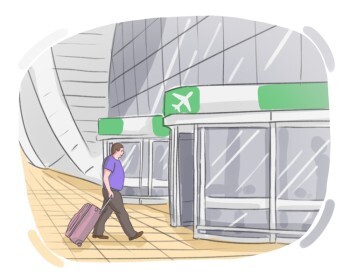
to roam
to roam
[verb]

to go from one place to another with no specific destination or purpose in mind

umbla, rătăci

umbla, rătăci

Ex: The children were allowed to roam freely in the meadow, exploring nature and chasing butterflies. 

Copiii au fost lăsați să cutreiere liber prin pajiște, explorând natura și urmărind fluturi.
Închide
Conectare
to set off

to start a journey

a pleca, a începe călătoria

a pleca, a începe călătoria

Ex: We'll set off on our cross-country journey early in the morning to avoid traffic. 

Vom pleca în călătoria noastră transnațională dimineața devreme pentru a evita traficul.

Închide
Conectare
to see off

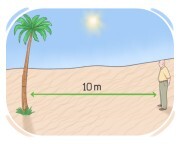
to accompany someone to their point of departure and say goodbye to them

a conduce la plecare, a însoți până la plecare și a-și lua rămas bun

a conduce la plecare, a însoți până la plecare și a-și lua rămas bun

Ex: She asked her sister to come and see her off at the train station. 

Ea i-a cerut surorii sale să vină să o petreacă la gară.
Închide
Conectare
off
off
[adverb]

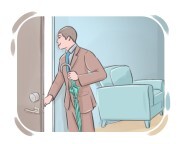
at or to a certain distance away in physical space

departe, la distanță

departe, la distanță

Ex: He watched silently from ten feet off. 

El privea în tăcere de la o distanță de zece picioare.
Închide
Conectare
to go away

to move from a person or place

a se îndepărta de o persoană sau un loc, a părăsi un loc și a pleca

a se îndepărta de o persoană sau un loc, a părăsi un loc și a pleca

Ex: Children often cry when their parents have to go away for work. 

Copiii plâng adesea când părinții lor trebuie să plece la muncă.

Închide
Conectare
to go on
to go on
[verb]

to come to be or to happen

se întâmpla, avea loc

se întâmpla, avea loc

Ex: I'm not sure what's going on with all the commotion outside. 

Nu sunt sigur ce se întâmplă cu toată agitația din afară.
Închide
Conectare
to go for
to go for
[verb]

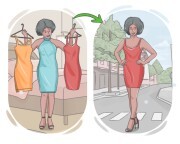
to choose something among other things

opta pentru, alege

opta pentru, alege

Ex: She couldn't decide between the two dresses, so she went for the one with the floral pattern. 

Ea nu se putea decide între cele două rochii, așa că a optat pentru cea cu modelul floral.

Închide
Conectare
to [go] back on a (promise|deal|pledge)

to fail to keep or fulfill a commitment or assurance made to someone

Ex: The politician went back on promises made during the campaign, disappointing voters. 
Închide
Conectare
to go down with

to become affected by an illness

a se îmbolnăvi de o boală, a se îmbolnăvi

a se îmbolnăvi de o boală, a se îmbolnăvi

Ex: She suddenly went down with the flu and had to take a few days off work. 

Ea a îmbolnăvit brusc de gripă și a trebuit să ia câteva zile libere de la muncă.

Închide
Conectare
to [have] a go
to have a go
[frază]

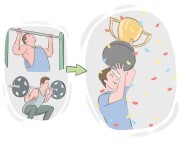
to make an attempt to achieve or do something

a face o încercare, a încerca

a face o încercare, a încerca

Ex: I've never baked bread before, but I'll have a go. 

Nu am copt pâine niciodată, dar o să fac o încercare.
Închide
Conectare
to [make] a go of {sth}

to try to make something successful, often with a significant degree of effort or determination

a face să meargă, a reuși să faci ceva să funcționeze

a face să meargă, a reuși să faci ceva să funcționeze

Ex: They worked hard to make a go of their small café. 

Au muncit din greu ca mica lor cafenea să meargă bine.

Închide
Conectare
on the go
on the go
[frază]

in a state of being actively engaged in various activities or constantly in motion, typically indicating a busy and active lifestyle

mereu pe fugă, tot timpul în mișcare

mereu pe fugă, tot timpul în mișcare

Ex: She is always on the go, rushing from one meeting to another. 

Ea e mereu pe fugă, alergând de la o ședință la alta.

Închide
Conectare
to [go] without saying

used to say that something is so obvious that there is no need for further explanation

e de la sine înțeles, se subînțelege

e de la sine înțeles, se subînțelege

Ex: It goes without saying that safety comes first. 

E de la sine înțeles că siguranța e pe primul loc.

Închide
Conectare
to [go] back on {one's} word

to fail to keep a promise or commitment that was previously made

Ex: He had promised to help me with the project, but he ended up going back on his word. 
Închide
Conectare
LanGeek
Descarcă aplicația LanGeek
