
Vocabolario per IELTS Academic (Punteggio 6-7) - Storia
Qui, imparerai alcune parole inglesi relative alla Storia che sono necessarie per l'esame accademico IELTS.
Revisione
Flashcard
Ortografia
Quiz

a period of time in history or someone's life, during which significant events happen

epoca
Il movimento per i diritti civili è stato un'epoca di profondo cambiamento sociale e progresso negli Stati Uniti.
the study and writing of history, particularly the methods, interpretations, and principles used by historians to examine and interpret past events
storiografia, studio storiografico
La storiografia del colonialismo esplora come gli eventi storici abbiano plasmato le dinamiche di potere e gli scambi culturali tra colonizzatori e colonizzati.
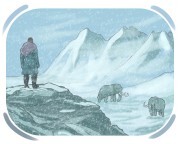
one of the periods in history when ice covered large parts of the world
glaciale
Le prove geologiche suggeriscono che l'era glaciale ha plasmato molti degli attuali paesaggi ed ecosistemi della Terra.
the period when iron was not discovered and people used bronze to make tools
bronzo
Il commercio fiorì durante l'età del bronzo, mentre le culture si scambiavano beni in bronzo, idee e innovazioni su vastissime distanze.
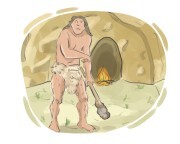
the early period of human history when people used things such as stone, horn, bone, etc. to make tools
età della pietra
La transizione dall'età della pietra all'età del bronzo ha segnato un significativo cambiamento tecnologico e culturale nella storia umana.
the era in European history commenced at the end of the Roman Empire in AD 476 and lasted until AD 1000
secoli bui
the period that began about 1100 BC when people used iron tools for the first time
Età del ferro
L'Età del Ferro portò cambiamenti nelle strutture sociali e nel commercio, poiché il ferro divenne una risorsa preziosa e ampiamente utilizzata.
a farmer who owns or rents a small piece of land, particularly in the past or in poorer countries
contadino
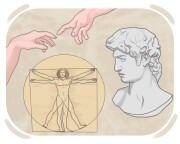
the period between the 14th and 16th centuries in Europe, marked by a rise of interest in Greek and Roman cultures, which is dominant in the art, philosophy, etc. of the times
Rinascimentale
Firenze è spesso considerata la culla del Rinascimento grazie al suo fiorente ambiente culturale e artistico.
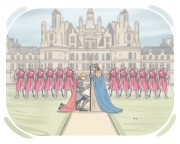
an era in European history, between about AD 1000 and AD 1500, when the authority of kings, people of high rank, and the Christian Church was unquestionable
Medioevo
Castelli e cavalieri sono simboli iconici della vita durante il Medioevo.
a transformative 16th-century movement challenging and reforming practices within Christianity, leading to the establishment of Protestant denominations
riforma, Riforma protestante
La Riforma ha influenzato significativamente la struttura del culto, introducendo cambiamenti nei rituali e nelle cerimonie religiose.
a philosophical movement in the late 17th and 18th centuries that emphasized reason and science were of more importance than tradition and religion
schiarimento
L'Illuminismo ha avuto un profondo impatto sul pensiero politico, influenzando le idee di democrazia e diritti individuali.
the reestablishment of the English monarchy under Charles II in 1660
Restaurazione
the study of past events for the purpose of determining the order by which they occurred
cronologia
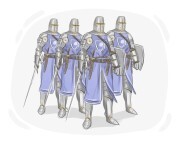
belonging or related to the Middle Ages, the period in European history from roughly the 5th to the 15th century
medievale
Il suo romanzo è ambientato in un villaggio medievale, catturando lo stile di vita e le credenze di quel tempo.
an event or stage that has a very important impact on the progress of something
pietra miliare, traguardo
La nuova legge segna una pietra miliare negli sforzi di protezione ambientale.
a catastrophic event that results in widespread death and destruction
olocausto
L'olocausto ambientale causato dalla fuoriuscita di petrolio ha colpito sia la fauna selvatica che le comunità locali.
a manuscript or written record created on sheets of a plant material used in ancient Egypt for making paper-like scrolls and documents
papiro, manoscritto su papiro
Gli accordi commerciali e le transazioni commerciali erano documentati su papiro, fornendo preziose informazioni sulle economie antiche.
a secular designation used to represent dates in the Gregorian calendar before the traditional reference point of the birth of Jesus Christ
Prima dell'era cristiana, A.D.
a mass murder committed in order to destroy a particular nation, religious or ethnic group, or race
genocidio
Prevenire il genocidio e le atrocità è un obiettivo cruciale degli sforzi internazionali per i diritti umani.
a war that is between people who are in the same country
guerra civile
Le guerre civili tipicamente nascono da conflitti interni su differenze politiche, sociali o economiche all'interno di una nazione.

used to refer to a date that is after the birth of Jesus Christ
DC

marking the years before Christ's supposed birth
AC

used with a date to refer to things happened or existed after the birth of Christ
CE
