
Ordförråd för IELTS Academic (Poäng 6-7) - Historia
Här kommer du att lära dig några engelska ord relaterade till historia som är nödvändiga för det akademiska IELTS-provet.
Recension
Flashcards
Stavning
Quiz


a period of time in history or someone's life, during which significant events happen

epok, era
Hennes tid vid universitetet representerade en definierande epok i hennes liv, som formade hennes framtida karriär och personliga tillväxt.
the study and writing of history, particularly the methods, interpretations, and principles used by historians to examine and interpret past events
historiografi, historiografisk studie
Forskare deltar i historiografiska debatter för att omvärdera tolkningar och utmana rådande historiska berättelser.
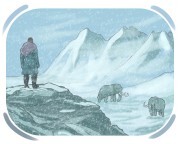
one of the periods in history when ice covered large parts of the world
istid, glacialperiod
De mänskliga populationerna under istiden var tvungna att anpassa sig till extremt kalla temperaturer och hårda miljöer.
the period when iron was not discovered and people used bronze to make tools
Bronsåldern, Bronsperioden
Övergången från stenåldern till bronsåldern medförde nya verktyg och vapen som var starkare och mer hållbara.
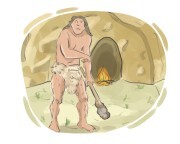
the early period of human history when people used things such as stone, horn, bone, etc. to make tools
stenåldern, stenperioden
Artefakter från stenåldern, såsom pilspetsar och keramik, ger insikter om de tidiga människornas vardagsliv.
the era in European history commenced at the end of the Roman Empire in AD 476 and lasted until AD 1000
mörkertiden, tidig medeltid
the period that began about 1100 BC when people used iron tools for the first time
Järnåldern, Järnperioden
Arkeologer hittade en by från järnåldern med välbevarade järnföremål och strukturer.
a farmer who owns or rents a small piece of land, particularly in the past or in poorer countries
bonde, lantbrukare
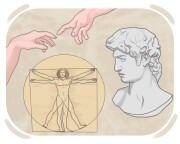
the period between the 14th and 16th centuries in Europe, marked by a rise of interest in Greek and Roman cultures, which is dominant in the art, philosophy, etc. of the times
Renässans
Tryckpressen, uppfunnen under renässansen, revolutionerade sättet på vilket kunskap spreds.
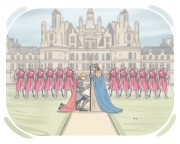
an era in European history, between about AD 1000 and AD 1500, when the authority of kings, people of high rank, and the Christian Church was unquestionable
medeltiden, den medeltida perioden
Digerdöden var en förödande pandemi som drabbade Europa under senare delen av medeltiden och dödade miljontals människor.
a transformative 16th-century movement challenging and reforming practices within Christianity, leading to the establishment of Protestant denominations
reformation, Protestantiska reformationen
Religiösa konflikter och schismer uppstod som en följd av olika tolkningar och praktiker under Reformationen.
a philosophical movement in the late 17th and 18th centuries that emphasized reason and science were of more importance than tradition and religion
Upplysningen, Upplysningstiden
Filosofer under Upplysningen strävade efter att tillämpa förnuft och logik på alla aspekter av det mänskliga samhället.
the reestablishment of the English monarchy under Charles II in 1660
Restaureringen
the study of past events for the purpose of determining the order by which they occurred
kronologi, kronologisk studie
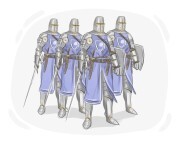
belonging or related to the Middle Ages, the period in European history from roughly the 5th to the 15th century
medeltida, tillhörande medeltiden
Medeltida rustningar och vapen visas i utställningen om riddarriddare.
the era in human history from which we have no written record
förhistoria, förhistorisk tid
an event or stage that has a very important impact on the progress of something
milstolpe, viktig händelse
Att köpa sitt första hem var en finansiell milstolpe för paret.
a catastrophic event that results in widespread death and destruction
holocaust, katastrof
Händelsen betecknades som en holocaust av många överlevande på grund av den enorma förlusten och lidandet.
a manuscript or written record created on sheets of a plant material used in ancient Egypt for making paper-like scrolls and documents
papyrus, manuskript på papyrus
En rulle papyrus som upptäcktes i graven innehöll begravningstexter som gav vägledning till den avlidne i livet efter detta.
a secular designation used to represent dates in the Gregorian calendar before the traditional reference point of the birth of Jesus Christ
före den gemensamma eran, före vår tideräkning
a mass murder committed in order to destroy a particular nation, religious or ethnic group, or race
folkmord, utrotning
Det armeniska folkmordet erkänns av många länder och organisationer som en tragisk händelse i början av 1900-talet.
a war that is between people who are in the same country
inbördeskrig, intern konflikt
Det syriska inbördeskriget har orsakat en humanitär kris med miljoner människor på flykt och söker skydd i grannländerna.

used to refer to a date that is after the birth of Jesus Christ
efter Kristus, e.Kr.

marking the years before Christ's supposed birth
före Kristus

used with a date to refer to things happened or existed after the birth of Christ
vår tideräkning, efter Kristus
