
Bokabularyo para sa IELTS Academic (Score 6-7) - Kasaysayan
Dito, matututunan mo ang ilang mga salitang Ingles na may kaugnayan sa Kasaysayan na kinakailangan para sa Academic IELTS exam.
Repasuhin
Flashcards
Pagbaybay
Pagsusulit

a period of time in history or someone's life, during which significant events happen

panahon, epoka
Ang Renaissance ay isang panahon ng malalaking tagumpay sa kultura at sining sa Europa.
the study and writing of history, particularly the methods, interpretations, and principles used by historians to examine and interpret past events
historiograpiya, pag-aaral ng historiograpiya
Ang historiograpiya ng Digmaang Sibil ng Amerika ay sumasalamin sa nagbabagong pananaw sa mga sanhi at bunga sa paglipas ng mga taon.
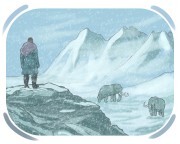
one of the periods in history when ice covered large parts of the world
panahon ng yelo, edad ng yelo
Noong huling panahon ng yelo, malawak na mga glacier ang sumakop sa malaking bahagi ng Hilagang Amerika at Europa.
the period when iron was not discovered and people used bronze to make tools
Panahon ng Tanso, Edad ng Bronse
Ang Panahon ng Tanso ay nagmarka ng isang makabuluhang pagsulong sa teknolohiya ng tao sa pag-unlad ng mga kasanayan sa paggawa ng metal.
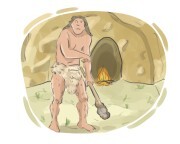
the early period of human history when people used things such as stone, horn, bone, etc. to make tools
panahon ng bato, edad ng bato
Ang Panahon ng Bato ay nailalarawan sa pamamagitan ng paggamit ng simpleng mga kagamitang bato at pag-unlad ng mga sinaunang lipunan ng tao.
the era in European history commenced at the end of the Roman Empire in AD 476 and lasted until AD 1000
madilim na panahon, maagang Gitnang Panahon
the period that began about 1100 BC when people used iron tools for the first time
Panahon ng Bakal, Edad ng Bakal
Ang Panahon ng Bakal ay sumunod sa Panahon ng Tanso at minarkahan ng malawakang paggamit ng bakal para sa mga kasangkapan at armas.
a farmer who owns or rents a small piece of land, particularly in the past or in poorer countries
magsasaka, magbubukid
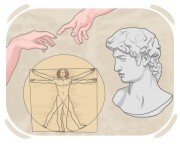
the period between the 14th and 16th centuries in Europe, marked by a rise of interest in Greek and Roman cultures, which is dominant in the art, philosophy, etc. of the times
Renaissance
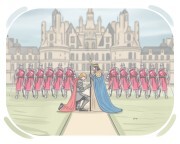
an era in European history, between about AD 1000 and AD 1500, when the authority of kings, people of high rank, and the Christian Church was unquestionable
ang Gitnang Panahon, ang panahong medyebal
Ang Gitnang Panahon ay nakasaksi sa pagkalat ng arkitekturang Gotiko, maliwanag sa mga malalaking katedral na itinayo sa panahong ito.
a transformative 16th-century movement challenging and reforming practices within Christianity, leading to the establishment of Protestant denominations
reporma, Repormasyong Protestante
Ang Repormasyon, na pinukaw ng Siyamnapu't Limang Theses ni Martin Luther, ay nagtanong at muling nagpakahulugan sa mga gawaing panrelihiyon sa Kristiyanismo.
a philosophical movement in the late 17th and 18th centuries that emphasized reason and science were of more importance than tradition and religion
Kaliwanagan, Panahon ng Kaliwanagan
Ang Enlightenment ay humamon sa tradisyonal na awtoridad at itaguyod ang katwiran bilang batayan para maunawaan ang mundo.
the reestablishment of the English monarchy under Charles II in 1660
Restorasyon
the study of past events for the purpose of determining the order by which they occurred
kronolohiya, pag-aaral ng kronolohiya
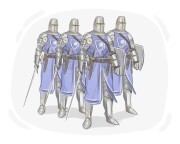
belonging or related to the Middle Ages, the period in European history from roughly the 5th to the 15th century
medyebal, ng Panahong Medyebal
Ang kanyang nobela ay nakatakda sa isang medyebal na nayon, na kinukunan ang pamumuhay at paniniwala ng panahong iyon.
the era in human history from which we have no written record
prehistorya, panahon bago ang kasaysayan
an event or stage that has a very important impact on the progress of something
mahalagang pangyayari, milyahe
Ang pagtatapos sa kolehiyo ay isang malaking milyahe sa kanyang buhay.
a catastrophic event that results in widespread death and destruction
holocaust, sakuna
Ang holocaust ng digmaan ay nag-iwan ng bansa sa mga guho, na may hindi mabilang na buhay na nawala.
a manuscript or written record created on sheets of a plant material used in ancient Egypt for making paper-like scrolls and documents
papyrus, manuskrito sa papyrus
Ang mga arkeologo ay naghukay ng isang mahusay na napreserbang papyrus, na naglalahad ng sinaunang mga sulat na nagdetalye ng pang-araw-araw na buhay sa rehiyon.
a secular designation used to represent dates in the Gregorian calendar before the traditional reference point of the birth of Jesus Christ
bago ang karaniwang panahon, bago ang ating panahon
a mass murder committed in order to destroy a particular nation, religious or ethnic group, or race
genocide, paglilipol
Ang United Nations ay tumutukoy sa genocide bilang mga gawaing ginawa sa layuning sirain, sa kabuuan o bahagi, ang isang pambansa, etniko, lahi, o relihiyosong grupo.
a war that is between people who are in the same country
digmaang sibil, panloob na labanan
Ang digmaang sibil ng Amerika ay ipinaglaban sa pagitan ng mga estado ng Hilaga (Unyon) at mga estado ng Timog (Konpederasyon) sa mga isyu ng pang-aalipin at karapatan ng mga estado.

used to refer to a date that is after the birth of Jesus Christ
Anno Domini, AD

marking the years before Christ's supposed birth
bago si Kristo

used with a date to refer to things happened or existed after the birth of Christ
karaniwang panahon, pagkatapos ni Kristo
