
Vocabulário para IELTS Academic (Pontuação 6-7) - História
Aqui, você aprenderá algumas palavras em inglês relacionadas à História que são necessárias para o exame acadêmico do IELTS.
Revisar
Flashcards
Ortografia
Quiz


a period of time in history or someone's life, during which significant events happen
época, era
O Movimento dos Direitos Civis foi uma época de profunda mudança social e progresso nos Estados Unidos.
the study and writing of history, particularly the methods, interpretations, and principles used by historians to examine and interpret past events
historiografia, estudo historiográfico
A historiografia do colonialismo explora como os eventos históricos moldaram as dinâmicas de poder e as trocas culturais entre colonizadores e colonizados.
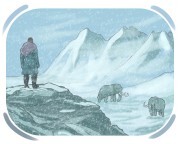
one of the periods in history when ice covered large parts of the world
idade do gelo, era glacial
Evidências geológicas sugerem que a era do gelo moldou muitas das atuais paisagens e ecossistemas da Terra.
the period when iron was not discovered and people used bronze to make tools
Idade do Bronze, Era do Bronze
O comércio floresceu durante a Idade do Bronze, enquanto as culturas trocavam bens de bronze, ideias e inovações através de vastas distâncias.
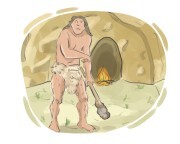
the early period of human history when people used things such as stone, horn, bone, etc. to make tools
idade da pedra, era da pedra
A transição da Idade da Pedra para a Idade do Bronze marcou uma mudança tecnológica e cultural significativa na história humana.
the era in European history commenced at the end of the Roman Empire in AD 476 and lasted until AD 1000
a idade das trevas, a Alta Idade Média
the period that began about 1100 BC when people used iron tools for the first time
Idade do Ferro, Era do Ferro
A Idade do Ferro trouxe mudanças nas estruturas sociais e no comércio, pois o ferro se tornou um recurso valioso e amplamente utilizado.
a farmer who owns or rents a small piece of land, particularly in the past or in poorer countries
camponês, agricultor
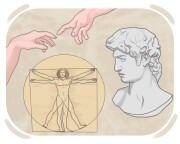
the period between the 14th and 16th centuries in Europe, marked by a rise of interest in Greek and Roman cultures, which is dominant in the art, philosophy, etc. of the times
Renascimento
Florença é frequentemente considerada o berço do Renascimento devido ao seu ambiente cultural e artístico florescente.
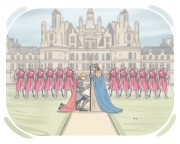
an era in European history, between about AD 1000 and AD 1500, when the authority of kings, people of high rank, and the Christian Church was unquestionable
a Idade Média, o período medieval
A Idade Média viu a propagação da arquitetura gótica, evidente nas grandes catedrais construídas durante esse tempo.
a transformative 16th-century movement challenging and reforming practices within Christianity, leading to the establishment of Protestant denominations
reforma, Reforma Protestante
A Reforma impactou significativamente a estrutura do culto, introduzindo mudanças nos rituais e cerimônias religiosas.
a philosophical movement in the late 17th and 18th centuries that emphasized reason and science were of more importance than tradition and religion
o Iluminismo, o Século das Luzes
O Iluminismo teve um impacto profundo no pensamento político, influenciando as ideias de democracia e direitos individuais.
the reestablishment of the English monarchy under Charles II in 1660
Restauração
the study of past events for the purpose of determining the order by which they occurred
cronologia, estudo cronológico
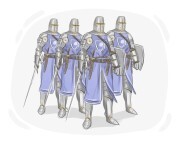
belonging or related to the Middle Ages, the period in European history from roughly the 5th to the 15th century
medieval, da Idade Média
Os historiadores frequentemente se referem ao período entre a queda do Império Romano e o Renascimento como o período medieval.
the era in human history from which we have no written record
pré-história, tempos pré-históricos
an event or stage that has a very important impact on the progress of something
marco, etapa importante
A nova lei marca um marco nos esforços de proteção ambiental.
a catastrophic event that results in widespread death and destruction
holocausto, catástrofe
O holocausto ambiental causado pelo derramamento de óleo afetou tanto a vida selvagem quanto as comunidades locais.
a manuscript or written record created on sheets of a plant material used in ancient Egypt for making paper-like scrolls and documents
papiro, manuscrito em papiro
Acordos comerciais e transações comerciais eram documentados em papiro, fornecendo insights valiosos sobre as economias antigas.
a secular designation used to represent dates in the Gregorian calendar before the traditional reference point of the birth of Jesus Christ
antes da era comum, antes da nossa era
a mass murder committed in order to destroy a particular nation, religious or ethnic group, or race
genocídio, extermínio
Prevenir o genocídio e as atrocidades é um objetivo crítico dos esforços internacionais de direitos humanos.
a war that is between people who are in the same country
guerra civil, conflito interno
As guerras civis geralmente surgem de conflitos internos sobre diferenças políticas, sociais ou econômicas dentro de uma nação.

used to refer to a date that is after the birth of Jesus Christ
depois de Cristo, d.C.

marking the years before Christ's supposed birth
antes de Cristo

used with a date to refer to things happened or existed after the birth of Christ
era comum, depois de Cristo
