pattern

Cambridge IELTS 19 - Academic - Test 1 - Ascolto - Parte 4 (2)

Impara il vocabolario dalla seconda parte di Cambridge IELTS 19 Academic, Test 1 Listening Part 4, con parole ed espressioni utili di questa sezione.

Revisione

Flashcard

forme

Ortografia

Quiz
Inizia a imparare
Cambridge IELTS 19 - Academic
rectangular
rectangular
[aggettivo]

shaped like a rectangle, with four right angles

rettangolare

rettangolare

Ex: The building had large rectangular windows to let in more light. 

L'edificio aveva grandi finestre rettangolari per far entrare più luce.

Chiudi
Accedi
to escape
to escape
[Verbo]

(of a gas, liquid, light, or heat) to come out or leak from a place where it was contained

sfuggire, fuoriuscire

sfuggire, fuoriuscire

Ex: Smoke escaped from the chimney and into the sky. 
Chiudi
Accedi
innovation
innovation
[sostantivo]

a new idea, method, product, or practice that has been introduced

innovazione

innovazione

Ex: One of the museum's exhibits highlights major innovations in transportation. 
Chiudi
Accedi
to indicate

to show, point out, or suggest the existence, presence, or nature of something

indicare

indicare

Ex: The experiment indicates a positive correlation between the variables. 
Chiudi
Accedi
settler
settler
[sostantivo]

a person who moves to a new area to live and establish a community

colono

colono

Ex: Conflicts sometimes arose between settlers and local communities. 

A volte sorgevano conflitti tra i coloni e le comunità locali.

Chiudi
Accedi
fragment
fragment
[sostantivo]

a small piece that has broken off or become separated from a larger whole

frammento,  pezzo

frammento, pezzo

Ex: The explosion sent metal fragments in several directions. 
Chiudi
Accedi
pottery
pottery
[sostantivo]

pots, dishes, etc. that are made of clay by hand and then baked in a kiln to be hardened

ceramica
ceramica

Chiudi
Accedi
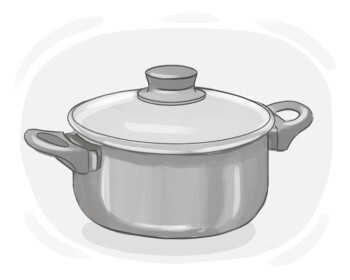
pot
pot
[sostantivo]

a container which is round, deep, and typically made of metal, used for cooking

pentola
pentola

Ex: They cooked pasta in a big pot, adding salt to the boiling water. 
Chiudi
Accedi
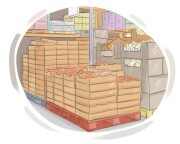
to store
to store
[Verbo]

to keep something in a particular place for later use, typically in a systematic or organized manner

immagazzinare

immagazzinare

Ex: She stored her winter clothes in a box in the attic. 
Chiudi
Accedi
alight
alight
[aggettivo]

burning with flames

acceso, ardente

acceso, ardente

Ex: The pile of dry leaves was quickly set alight. 

Il mucchio di foglie secche è stato rapidamente appiccato fuoco.

Chiudi
Accedi
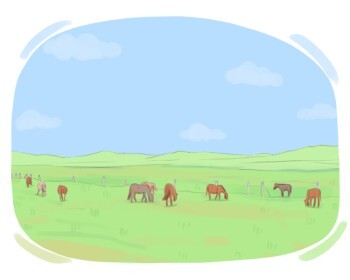
paddock
paddock
[sostantivo]

small enclosed area or field where horses are kept, exercised, or prepared before a race

paddock, recinto

paddock, recinto

Ex: Race officials lined up the horses in the paddock according to their post positions. 

I funzionari della gara hanno allineato i cavalli nel paddock secondo le loro posizioni di partenza.
Chiudi
Accedi
to graze
to graze
[Verbo]

(of sheep, cows, etc.) to feed on the grass in a field

pascolare

pascolare

Ex: The shepherd led the flock to graze on the hillside. 

Il pastore condusse il gregge a pascolare sul pendio.
Chiudi
Accedi
evidence
evidence
[sostantivo]

anything that proves the truth or possibility of something, such as facts, objects, or signs

prova

prova

Ex: Historical documents and artifacts serve as valuable evidence for understanding past civilizations and events. 
Chiudi
Accedi
plot
plot
[sostantivo]

a small area of land intended or marked for a particular use such as gardening

appezzamento, lotto

appezzamento, lotto

Ex: He spent the weekend weeding his plot at the community garden. 
Chiudi
Accedi
to sustain
to sustain
[Verbo]

to provide someone or something with enough food, resources, or support to remain alive or continue to exist

sostenere, mantenere
sostenere, mantenere

Ex: These plants can sustain themselves with very little water. 
Chiudi
Accedi
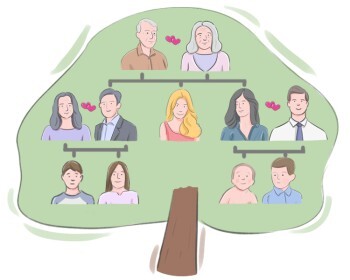
extended family
extended family
[sostantivo]

a large family group consisting of parents and children that might also include grandparents, aunts, or uncles

famiglia allargata

famiglia allargata

Ex: The extended family helped raise the children, providing additional care and guidance. 

La famiglia allargata ha aiutato a crescere i bambini, fornendo cure e guida aggiuntive.

Chiudi
Accedi
rotational
rotational
[aggettivo]

moving animals from one area to another regularly so the grass has time to grow back

rotazionale, di rotazione

rotazionale, di rotazione

Ex: They use a rotational system to move cattle across different pastures. 

Utilizzano un sistema rotazionale per spostare il bestiame attraverso diversi pascoli.

Chiudi
Accedi
overgrazing
overgrazing
[sostantivo]

the act of allowing animals to eat too much grass in an area, which damages the land and prevents new grass from growing

sovrapascolamento, pascolo eccessivo

sovrapascolamento, pascolo eccessivo

Ex: Overgrazing can lead to desertification in some regions. 

Il sovrapascolo può portare alla desertificazione in alcune regioni.

Chiudi
Accedi
recovery
recovery
[sostantivo]

a return to a previous or normal state

guarigione

guarigione

Ex: The country focused on recovery after the conflict. 
Chiudi
Accedi
year-round
year-round
[aggettivo]

happening the whole year

tutto l'anno

tutto l'anno

Ex: The company provides year-round employment opportunities, offering stability for its workers. 
Chiudi
Accedi
shelter
shelter
[sostantivo]

a building, structure, or covered place that provides protection from weather, danger, or harm

rifugio

rifugio

Ex: The damaged cabin provided little shelter from the freezing weather. 
Chiudi
Accedi
to cease
to cease
[Verbo]

to stop happening or existing

cessare, fermare

cessare, fermare

Ex: The pain gradually ceased as the medicine began to work. 
Chiudi
Accedi
abruptly
abruptly
[avverbio]

in a sudden or unexpected manner

bruscamente

bruscamente

Ex: The weather abruptly shifted from sunny to stormy. 

Il tempo è passato improvvisamente da soleggiato a tempestoso.

Chiudi
Accedi
factor
factor
[sostantivo]

one of the things that affects something or contributes to it

fattore

fattore

Ex: The proximity to good schools was a deciding factor in choosing their new home. 
Chiudi
Accedi
to contribute

to be one of the causes or reasons that helps something happen

contribuire

contribuire

Ex: Her insights contributed to the development of the innovative idea. 
Chiudi
Accedi
circumstance
circumstance
[sostantivo]

the conditions or factors that surround and influence a particular situation

circostanza, contesto

circostanza, contesto

Ex: Understanding the circumstances behind the decision is crucial for making sense of it. 
Chiudi
Accedi
productive
productive
[aggettivo]

causing or resulting in a specific outcome

produttivo, fruttuoso

produttivo, fruttuoso

Ex: Economic policies should be productive of long-term stability. 

Le politiche economiche dovrebbero essere produttive di stabilità a lungo termine.
Chiudi
Accedi
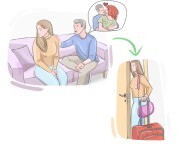
to lead
to lead
[Verbo]

to be the cause of something

causare

causare

Ex: Ignoring climate change can lead to catastrophic consequences. 
Chiudi
Accedi
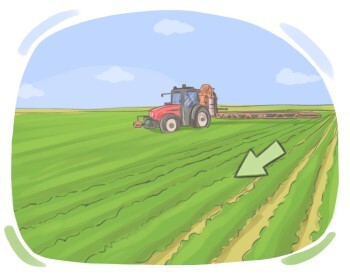
abandonment
abandonment
[sostantivo]

the act of leaving someone or something behind, usually without care or intention to return

abbandono, dispersione

abbandono, dispersione

Ex: The abandonment of the car on the highway created a traffic hazard. 

L'abbandono dell'auto sull'autostrada ha creato un pericolo per il traffico.
Chiudi
Accedi
crop
crop
[sostantivo]

a plant that is grown for food over large areas of land

coltura

coltura

Ex: The region is known for its crop of apples, which are exported worldwide. 
Chiudi
Accedi
rotation
rotation
[sostantivo]

the process of changing the crops grown in a particular field each season to maintain soil health and reduce pests

rotazione delle colture, avvicendamento colturale

rotazione delle colture, avvicendamento colturale

Ex: With rotation, different plants are used each year to protect the environment. 

Con la rotazione, ogni anno vengono utilizzate piante diverse per proteggere l'ambiente.
Chiudi
Accedi
partly
partly
[avverbio]

to a specific extent or degree

in parte

in parte

Ex: The painting is partly abstract and partly realistic. 

Il dipinto è in parte astratto e in parte realistico.

Chiudi
Accedi
responsible
responsible
[aggettivo]

being the main cause of something

responsabile

responsabile

Ex: The heavy rain was responsible for the flooding in the area. 

La pioggia intensa è stata responsabile delle inondazioni nella zona.

Chiudi
Accedi
intensive
intensive
[aggettivo]

involving a great deal of effort, activity, or attention concentrated into a short period of time

intensivo

intensivo

Ex: Students received intensive preparation before the exam. 
Chiudi
Accedi
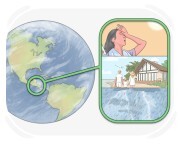
sustainable
sustainable
[aggettivo]

able to continue for a long period of time

sostenibile, durevole

sostenibile, durevole

Ex: The city invested in sustainable transportation options like bike lanes and public transit to reduce traffic congestion. 

La città ha investito in opzioni di trasporto sostenibili come piste ciclabili e trasporti pubblici per ridurre la congestione del traffico.
Chiudi
Accedi
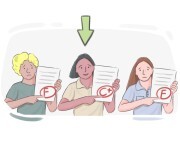
climatic
climatic
[aggettivo]

related to the weather of a specific area

climatico
climatico

Ex: The documentary explores the impact of human activities on global climatic patterns and the environment. 
Chiudi
Accedi
relatively
relatively
[avverbio]

to a specific degree, particularly when compared to other similar things

relativamente

relativamente

Ex: His explanation was relatively clear, though still a bit confusing. 

La sua spiegazione era relativamente chiara, anche se ancora un po' confusa.

Chiudi
Accedi
dry
dry
[aggettivo]

(of weather) characterized by a lack of precipitation

secco

secco

Ex: The dry conditions were ideal for hiking, as the trails were firm and easy to navigate. 
Chiudi
Accedi
archeological
archeological
[aggettivo]

related to the study or exploration of human history and prehistory through the excavation of artifacts and sites

archeologico

archeologico

Ex: The archeological expedition uncovered a buried tomb dating back to the Pharaonic era. 

La spedizione archeologica ha scoperto una tomba sepolta risalente all'era faraonica.

Chiudi
Accedi
to undertake

to take responsibility for something and start to do it

obbligarsi

obbligarsi

Ex: The team undertakes a comprehensive review of the project to identify areas for improvement. 
Chiudi
Accedi
investigation
investigation
[sostantivo]

the act or process of gathering evidence or facts of a matter in a scientific and systematic way

investigazione, indagine

investigazione, indagine

Ex: The university conducted an investigation into the effects of the new drug through controlled experiments and trials. 
Chiudi
Accedi
to restrict

to impose limits or regulations on someone or something, typically to control or reduce its scope or extent

limitare, restringere

limitare, restringere

Ex: Airlines may restrict the size and weight of carry-on luggage for passenger safety. 
Chiudi
Accedi
to house
to house
[Verbo]

to provide accommodation for someone, typically by giving them a place to live

ospitare,  alloggiare

ospitare, alloggiare

Ex: During the winter months, the shelter opens its doors to house those seeking warmth and safety. 
Chiudi
Accedi
decline
decline
[sostantivo]

a change toward a smaller, lower, or reduced state

declino

declino

Ex: The river's water level suffered a decline during the drought. 
Chiudi
Accedi
regrowth
regrowth
[sostantivo]

the process of new growth returning after something has been removed, damaged, or lost

ricrescita, rigenerazione

ricrescita, rigenerazione

Ex: The regrowth of coral reefs is a slow but important process. 

La ricrescita delle barriere coralline è un processo lento ma importante.

Chiudi
Accedi
to identify

to find or discover something by searching for its features, characteristics, or details

identificare, riconoscere

identificare, riconoscere

Ex: The doctor identified the cause of the illness after the tests. 
Chiudi
Accedi
LanGeek
Scarica l'app LanGeek