pattern

Cambridge IELTS 19 - アカデミック - テスト1 - リスニング - パート4 (2)

Learn vocabulary from the second part of Cambridge IELTS 19 Academic, Test 1 Listening Part 4, with useful words and expressions from this section.

レビュー

フラッシュカード

語形

綴り

クイズ

学習を開始
Cambridge IELTS 19 - Academic
rectangular
rectangular
[形容詞]

shaped like a rectangle, with four right angles

長方形の, 長方形の形をした

長方形の, 長方形の形をした

Ex: The table had a rectangular shape that fit perfectly in the room. 

テーブルは部屋に完璧にフィットする長方形の形をしていました。

to escape
to escape
[動詞]

(of a gas, liquid, light, or heat) to come out or leak from a place where it was contained

逃げる, 漏れる

逃げる, 漏れる

Ex: The heat escapes through poorly insulated walls. 
innovation
innovation
[名詞]

a new idea, method, product, or practice that has been introduced

革新

革新

Ex: The company's latest innovation allows phones to charge much faster. 
to indicate
to indicate
[動詞]

to show, point out, or suggest the existence, presence, or nature of something

示す, 指し示す

示す, 指し示す

Ex: Dark clouds indicate an approaching storm. 
settler
settler
[名詞]

a person who moves to a new area to live and establish a community

入植者, 開拓者

入植者, 開拓者

Ex: The first settlers built their homes near the river. 

最初の入植者たちは川の近くに家を建てた。

fragment
fragment
[名詞]

a small piece that has broken off or become separated from a larger whole

断片,  かけら

断片, かけら

Ex: Fragments of glass were scattered across the floor. 
pottery
pottery
[名詞]

pots, dishes, etc. that are made of clay by hand and then baked in a kiln to be hardened

陶器, 焼き物
陶器, 焼き物

pot
pot
[名詞]

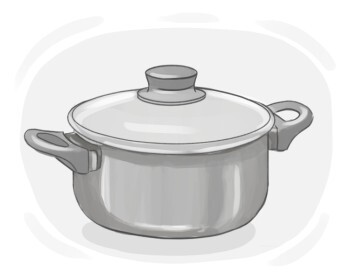
a container which is round, deep, and typically made of metal, used for cooking

鍋, ポット
鍋, ポット

Ex: The chef used a stainless steel pot to prepare the sauce. 
to store
to store
[動詞]

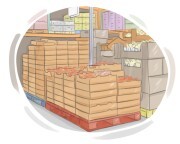
to keep something in a particular place for later use, typically in a systematic or organized manner

保管する, 貯蔵する

保管する, 貯蔵する

Ex: She stored her winter clothes in a box in the attic during the summer months. 
alight
alight
[形容詞]

burning with flames

燃えている, 炎上している

燃えている, 炎上している

Ex: Their campfire was still alight in the morning. 

朝になっても彼らのキャンプファイヤーはまだ燃えていた。

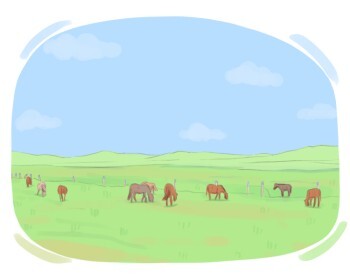
paddock
paddock
[名詞]

small enclosed area or field where horses are kept, exercised, or prepared before a race

パドック, 小囲い

パドック, 小囲い

Ex: The trainers inspected the horses in the paddock before the race. 

調教師たちはレース前にパドックで馬を検査しました。

to graze
to graze
[動詞]

(of sheep, cows, etc.) to feed on the grass in a field

草をはむ, 放牧する

草をはむ, 放牧する

Ex: The sheep were allowed to graze freely in the meadow. 

羊は牧草地で自由に草を食むことを許されていた。

evidence
evidence
[名詞]

anything that proves the truth or possibility of something, such as facts, objects, or signs

証拠, 根拠

証拠, 根拠

Ex: The detective collected fingerprints and other forensic evidence from the crime scene to aid in the investigation. 
plot
plot
[名詞]

a small area of land intended or marked for a particular use such as gardening

区画, 土地

区画, 土地

Ex: The plot behind their home was perfect for a small orchard. 
to sustain
to sustain
[動詞]

to provide someone or something with enough food, resources, or support to remain alive or continue to exist

支える, 養う
支える, 養う

Ex: The land cannot sustain such a large population. 
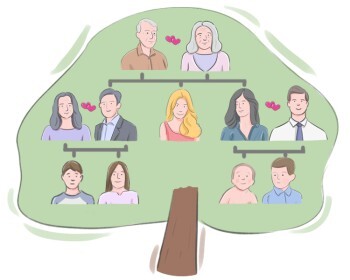
extended family

a large family group consisting of parents and children that might also include grandparents, aunts, or uncles

拡大家族, 大家族

拡大家族, 大家族

Ex: Their extended family reunions are always a big event, with over fifty relatives attending. 

彼らの拡大家族の再会は常に大きなイベントで、50人以上の親戚が参加します。

rotational
rotational
[形容詞]

moving animals from one area to another regularly so the grass has time to grow back

回転式の, 輪換の

回転式の, 輪換の

Ex: Rotational grazing helped improve the condition of the fields. 

ローテーション放牧は畑の状態を改善するのに役立ちました。

overgrazing
overgrazing
[名詞]

the act of allowing animals to eat too much grass in an area, which damages the land and prevents new grass from growing

過放牧, 過度の放牧

過放牧, 過度の放牧

Ex: The effects of overgrazing were visible in the damaged fields. 

過放牧の影響は、損傷した畑で見ることができました。

recovery
recovery
[名詞]

a return to a previous or normal state

回復, 復興

回復, 復興

Ex: Wildlife populations showed gradual recovery after the fire. 
year-round
year-round
[形容詞]

happening the whole year

年間を通じて, 年間

年間を通じて, 年間

Ex: The resort offers year-round activities, including skiing in the winter and hiking in the summer. 
shelter
shelter
[名詞]

a building, structure, or covered place that provides protection from weather, danger, or harm

Ex: The hikers found a small shelter where they could escape the storm. 
to cease
to cease
[動詞]

to stop happening or existing

止む, 終わる

止む, 終わる

Ex: The rain finally ceased shortly after midnight. 
abruptly
abruptly
[副詞]

in a sudden or unexpected manner

突然に, 不意に

突然に, 不意に

Ex: The meeting ended abruptly when the fire alarm went off. 

火災警報が鳴ったとき、会議は突然終わりました。

factor
factor
[名詞]

one of the things that affects something or contributes to it

要因, 要素

要因, 要素

Ex: Lack of sleep can be a contributing factor to decreased productivity at work. 
to contribute

to be one of the causes or reasons that helps something happen

寄与する, 一因となる

寄与する, 一因となる

Ex: His hard work contributed to the project's success. 
circumstance
circumstance
[名詞]

the conditions or factors that surround and influence a particular situation

状況, 事情

状況, 事情

Ex: In certain circumstances, exceptions to the rule can be considered. 
productive
productive
[形容詞]

causing or resulting in a specific outcome

生産的な, 実り多い

生産的な, 実り多い

Ex: Hard work is often productive of success and personal growth. 

懸命な努力は、しばしば成功と個人的成長を生み出す。

to lead
to lead
[動詞]

to be the cause of something

導く, 引き起こす

導く, 引き起こす

Ex: Reckless driving can lead to accidents. 
abandonment
abandonment
[名詞]

the act of leaving someone or something behind, usually without care or intention to return

放棄, 遺棄

放棄, 遺棄

Ex: Legal issues arose due to the abandonment of the property. 

財産の放棄により法的問題が発生した。

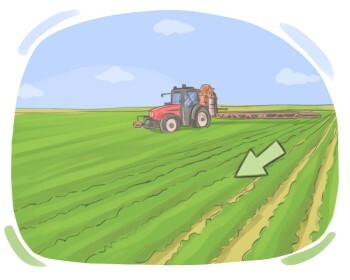
crop
crop
[名詞]

a plant that is grown for food over large areas of land

作物, 収穫

作物, 収穫

Ex: They rotated their crop of soybeans to maintain soil fertility. 
rotation
rotation
[名詞]

the process of changing the crops grown in a particular field each season to maintain soil health and reduce pests

輪作, 作物の輪換

輪作, 作物の輪換

Ex: Crop rotation helps prevent soil depletion by varying the crops planted. 

輪作は、植えられる作物を変えることで土壌の枯渇を防ぐのに役立ちます。

partly
partly
[副詞]

to a specific extent or degree

部分的に, ある程度

部分的に, ある程度

Ex: The project was successful partly due to her leadership. 

プロジェクトが成功したのは部分的に彼女のリーダーシップのおかげです。

responsible
responsible
[形容詞]

being the main cause of something

責任がある, 原因となる

責任がある, 原因となる

Ex: She felt responsible for the project's delays due to her oversight. 

彼女は自分の不注意が原因でプロジェクトの遅れに対して責任を感じた。

intensive
intensive
[形容詞]

involving a great deal of effort, activity, or attention concentrated into a short period of time

Ex: Emma completed an intensive language course during the summer. 
sustainable
sustainable
[形容詞]

able to continue for a long period of time

持続可能な, 長続きする

持続可能な, 長続きする

Ex: Her study habits were not sustainable, leading to burnout before exams. 

彼女の勉強習慣は持続可能ではなかったため、試験前に燃え尽きてしまった。

climatic
climatic
[形容詞]

related to the weather of a specific area

気候の, 天候に関連する
気候の, 天候に関連する

Ex: The climatic conditions in the region vary greatly throughout the year, from hot and dry summers to cold and snowy winters. 
relatively
relatively
[副詞]

to a specific degree, particularly when compared to other similar things

比較的, 相対的に

比較的, 相対的に

Ex: The test was relatively easy compared to the last one. 

前回のものと比べて、そのテストは比較的簡単だった。

dry
dry
[形容詞]

(of weather) characterized by a lack of precipitation

乾燥した

乾燥した

Ex: After several days of dry weather, the farmers began to worry about their crops. 
archeological
archeological
[形容詞]

related to the study or exploration of human history and prehistory through the excavation of artifacts and sites

考古学的な

考古学的な

Ex: The archeological team unearthed ancient pottery shards near the riverbank. 

考古学のチームが川岸の近くで古代の陶器の破片を発掘しました。

to undertake
to undertake
[動詞]

to take responsibility for something and start to do it

引き受ける, 着手する

引き受ける, 着手する

Ex: Volunteers undertake community projects to contribute positively to their surroundings. 
investigation

the act or process of gathering evidence or facts of a matter in a scientific and systematic way

調査, 研究

調査, 研究

Ex: The investigation into the engineering failure required precise measurements and expert analysis. 
to restrict
to restrict
[動詞]

to impose limits or regulations on someone or something, typically to control or reduce its scope or extent

制限する, 制約する

制限する, 制約する

Ex: She decided to restrict her social media use to focus more on her studies. 
to house
to house
[動詞]

to provide accommodation for someone, typically by giving them a place to live

収容する,  住まわせる

収容する, 住まわせる

Ex: The university will house international students in dormitories on campus. 
decline
decline
[名詞]

a change toward a smaller, lower, or reduced state

減少, 低下

減少, 低下

Ex: His performance showed a decline after the injury. 
regrowth
regrowth
[名詞]

the process of new growth returning after something has been removed, damaged, or lost

再生, 再成長

再生, 再成長

Ex: The tree showed signs of regrowth after being cut down. 

木は切られた後、再生の兆候を示した。

to identify
to identify
[動詞]

to find or discover something by searching for its features, characteristics, or details

特定する, 識別する

特定する, 識別する

Ex: Doctors identified the cause of his symptoms. 
LanGeek
LanGeekアプリをダウンロード