
Cambridge IELTS 19 - Academic - Test 1 - Écoute - Partie 4 (2)
Apprenez le vocabulaire de la deuxième partie de Cambridge IELTS 19 Academic, Test 1 Listening Part 4, avec des mots et expressions utiles de cette section.
Réviser
Flashcards
formes
Orthographe
Quiz
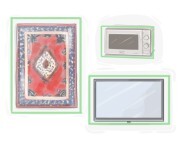
shaped like a rectangle, with four right angles

rectangulaire
Ils ont acheté un tapis rectangulaire pour le salon.

(of a gas, liquid, light, or heat) to come out or leak from a place where it was contained
s'échapper, fuir
a new idea, method, product, or practice that has been introduced
innovation

to show, point out, or suggest the existence, presence, or nature of something
indiquer, montrer
a person who moves to a new area to live and establish a community
colon
Les colons ont défriché la terre pour cultiver des récoltes.
a small piece that has broken off or become separated from a larger whole
fragment, éclat

pots, dishes, etc. that are made of clay by hand and then baked in a kiln to be hardened
poteries
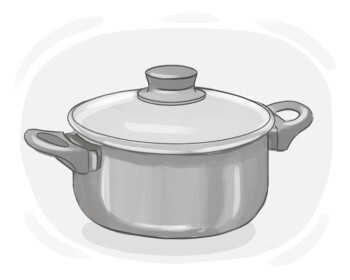
a container which is round, deep, and typically made of metal, used for cooking
casserole
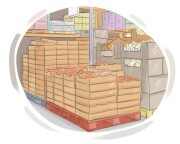
to keep something in a particular place for later use, typically in a systematic or organized manner
garder
burning with flames
enflammé, ardent
Sa chemise a pris feu pendant qu'il cuisinait.
small enclosed area or field where horses are kept, exercised, or prepared before a race
enclos, paddock
Elle a promené son cheval autour du paddock pour s'échauffer avant la compétition.
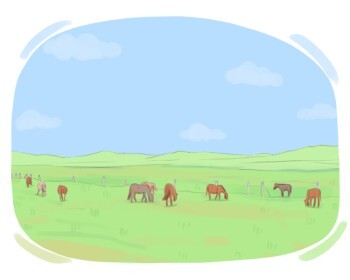
(of sheep, cows, etc.) to feed on the grass in a field
pâturer
Les vaches paissaient paisiblement dans le pâturage sous le soleil chaud.
anything that proves the truth or possibility of something, such as facts, objects, or signs
preuves
a small area of land intended or marked for a particular use such as gardening
lopin (de terre), bout de terrain
to provide someone or something with enough food, resources, or support to remain alive or continue to exist
soutenir, subvenir
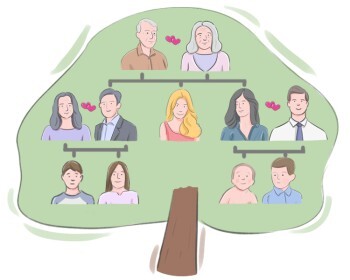
a large family group consisting of parents and children that might also include grandparents, aunts, or uncles
famille élargie
Elle a grandi dans une maison où sa famille élargie vivait ensemble, créant un système de soutien solide.
moving animals from one area to another regularly so the grass has time to grow back
rotationnel, de rotation
L'agriculteur a suivi une méthode rotationnelle pour éviter le surpâturage.
the act of allowing animals to eat too much grass in an area, which damages the land and prevents new grass from growing
surpâturage, pâturage excessif
La ferme a souffert de surpâturage, ce qui a rendu difficile la culture des récoltes.
a return to a previous or normal state
récupération

happening the whole year
sur toute l'année, pendant toute l'année
a building, structure, or covered place that provides protection from weather, danger, or harm
abri, refuge
to stop happening or existing
cesser, arrêter
in a sudden or unexpected manner
brusquement, soudainement
Elle a brusquement changé de sujet, prenant tout le monde par surprise.
one of the things that affects something or contributes to it
facteur, élément

to be one of the causes or reasons that helps something happen
contribuer à
the conditions or factors that surround and influence a particular situation
circonstance, contexte
causing or resulting in a specific outcome
productif
Une mauvaise communication peut être productive de malentendus.
to be the cause of something
conduire, mener
the act of leaving someone or something behind, usually without care or intention to return
abandon, délaissement
L'abandon de la voiture sur l'autoroute a créé un danger pour la circulation.
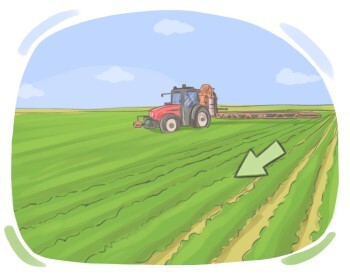
a plant that is grown for food over large areas of land
culture
the process of changing the crops grown in a particular field each season to maintain soil health and reduce pests
rotation des cultures, assolement
L'agriculteur a pratiqué la rotation pour améliorer la fertilité du sol.
to a specific extent or degree
en partie
Il n'était que partiellement convaincu par leur explication.
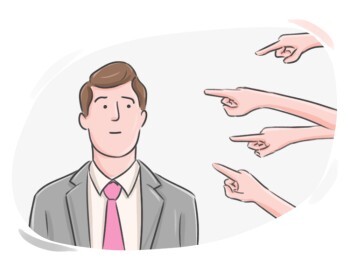
being the main cause of something
responsable
La pluie torrentielle était responsable des inondations dans la région.

involving a great deal of effort, activity, or attention concentrated into a short period of time
intensif
able to continue for a long period of time
durable
Son emploi du temps chargé n'était pas durable, ce qui a entraîné épuisement et baisse de productivité.
related to the weather of a specific area
climatique
to a specific degree, particularly when compared to other similar things
relativement
Elle s'est rétablie relativement rapidement après l'opération.
(of weather) characterized by a lack of precipitation
sec
related to the study or exploration of human history and prehistory through the excavation of artifacts and sites
archéologique
Le musée a exposé une collection de découvertes archéologiques de l'âge du bronze.
to take responsibility for something and start to do it
entreprendre, se charger de
the act or process of gathering evidence or facts of a matter in a scientific and systematic way
enquête
to impose limits or regulations on someone or something, typically to control or reduce its scope or extent
limiter, restreindre
to provide accommodation for someone, typically by giving them a place to live
héberger, loger
a change toward a smaller, lower, or reduced state
déclin
the process of new growth returning after something has been removed, damaged, or lost
repousse, régénération
Après l'incendie, la forêt a traversé une période de repousse.
to find or discover something by searching for its features, characteristics, or details
identifier, reconnaître
