

pattern

Inglese Cambridge: FCE (B2 First) - Diritto e Crimine

Revisione

Flashcard

forme

Ortografia

Quiz

Inizia a imparare
Cambridge English: FCE (B2 First)
to arrest
to arrest
[Verbo]

(of law enforcement agencies) to take a person away because they believe that they have done something illegal

arrestare

arrestare

Ex: The police officer decided to arrest the suspect after gathering sufficient evidence. 
Chiudi
Accedi
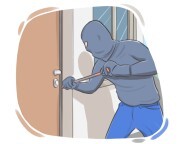
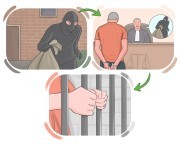
burglar
burglar
[sostantivo]

someone who illegally enters a place in order to steal something

ladro

ladro

Ex: The burglar broke into the house through the back door while the family was asleep upstairs. 
Chiudi
Accedi
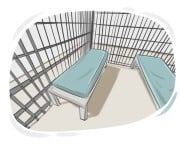
cell
cell
[sostantivo]

a very small enclosed space in which a prisoner is kept

cella

cella

Ex: The prisoner was confined to a small cell for the duration of his sentence. 
Chiudi
Accedi
to charge
to charge
[Verbo]

to officially accuse someone of an offense

accusare

accusare

Ex: The prosecutor decided to charge the suspect with theft based on the evidence. 
Chiudi
Accedi
to [commit] a crime

to do something that is against the law

Ex: He committed a crime when he drove without a license. 
Chiudi
Accedi
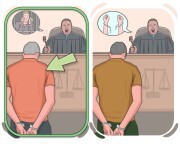
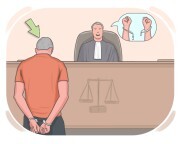
court
court
[sostantivo]

the place in which legal proceedings are conducted

tribunale

tribunale

Ex: In family court, judges handle matters such as divorce, child custody, and domestic violence disputes. 
Chiudi
Accedi
criminal
criminal
[sostantivo]

a person who does or is involved in an illegal activity

criminale

criminale

Ex: The police arrested the criminal after a long investigation. 
Chiudi
Accedi
detective
detective
[sostantivo]

a person, especially a police officer, whose job is to investigate and solve crimes and catch criminals

investigatore

investigatore

Ex: He is a private detective hired to find the missing jewelry. 
Chiudi
Accedi
DNA
DNA
[sostantivo]

(biochemistry) a chemical substance that carries the genetic information, which is present in every cell and some viruses

DNA

DNA

Ex: DNA, or deoxyribonucleic acid, contains the genetic instructions for living organisms. 
Chiudi
Accedi
evidence
evidence
[sostantivo]

a statement, document, or object that is used in a law court for establishing facts

prova

prova

Ex: The detectives found crucial evidence at the crime scene that linked the suspect to the murder. 
Chiudi
Accedi
to fine
to fine
[Verbo]

to make someone pay a sum of money as punishment for violation of the law

multare

multare

Ex: The police officer fined the driver for speeding in a school zone. 
Chiudi
Accedi
fingerprint
fingerprint
[sostantivo]

a mark made by the unique pattern of lines on the tip of a person's finger, can be used to find out who has committed a crime

impronta digitale

impronta digitale

Ex: Detectives found a clear fingerprint on the window sill, leading to the identification of the burglar. 
Chiudi
Accedi
fine
fine
[sostantivo]

an amount of money that must be paid as a legal punishment

multa

multa

Ex: He had to pay a hefty fine for speeding on the highway. 
Chiudi
Accedi
forensic
forensic
[aggettivo]

related to the use of scientific techniques when trying to know more about a crime

forense

forense

Ex: The forensic team collected DNA, fingerprint, and fiber evidence from the crime scene. 
Chiudi
Accedi
guilty
guilty
[aggettivo]

responsible for an illegal act or wrongdoing

in colpa

in colpa

Ex: He pleaded guilty to the charges in court. 
Chiudi
Accedi
innocent
innocent
[aggettivo]

not having committed a wrongdoing or offense

innocente

innocente

Ex: The evidence presented in court proved that he was innocent of the crime he was accused of. 
Chiudi
Accedi
jury
jury
[sostantivo]

a group of twelve citizens, who listen to the details of a case in the court of law in order to decide the guiltiness or innocence of a defendant

giuria

giuria

Ex: The jury deliberated for several hours before reaching a unanimous verdict. 
Chiudi
Accedi
to kidnap
to kidnap
[Verbo]

to take someone away and hold them in captivity, typically to demand something for their release

rapire, sequestrare

rapire, sequestrare

Ex: The criminals planned to kidnap the CEO's daughter for a ransom. 
Chiudi
Accedi
offense
offense
[sostantivo]

any act that is against a law

offesa

offesa

Ex: Shoplifting is considered a criminal offense in most countries. 
Chiudi
Accedi
penalty
penalty
[sostantivo]

a punishment given for breaking a rule, law, or legal agreement

penalità, sanzione

penalità, sanzione

Ex: If you fail to file your taxes on time, you will incur a penalty. 
Chiudi
Accedi
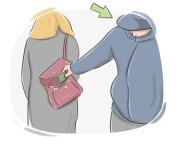
pickpocket
pickpocket
[sostantivo]

a criminal who steals money or other goods from people's pockets or bags

borseggiatore

borseggiatore

Ex: The pickpocket skillfully removed the wallet from the tourist’s pocket without being noticed. 
Chiudi
Accedi
proof
proof
[sostantivo]

information or evidence that proves the truth or existence of something

prova

prova

Ex: The DNA results acted as proof that the suspect was at the scene of the crime. 
Chiudi
Accedi
punishment
punishment
[sostantivo]

the act of making someone suffer because they have done something illegal or wrong

punizione

punizione

Ex: The judge handed down a severe punishment to the convicted criminal, sentencing them to several years in prison. 
Chiudi
Accedi
robbery
robbery
[sostantivo]

the crime of stealing money or goods from someone or somewhere, especially by violence or threat

rapina

rapina

Ex: The bank was the target of a robbery, with the thieves escaping with a large sum of money. 
Chiudi
Accedi
to sentence

to officially state the punishment of someone found guilty in a court of law

condannare

condannare

Ex: The judge will sentence the convicted criminal to five years in prison. 
Chiudi
Accedi
to shoplift

to steal goods from a store by secretly taking them without paying

taccheggiare

taccheggiare

Ex: The security cameras captured the individual attempting to shoplift items from the store. 
Chiudi
Accedi
to steal
to steal
[Verbo]

to take something from someone or somewhere without permission or paying for it

rubare

rubare

Ex: She steals cookies from the jar when no one is looking. 
Chiudi
Accedi
suspect
suspect
[sostantivo]

someone who is believed to be guilty of an offence

sospetto

sospetto

Ex: The police arrested the suspect after matching his fingerprints to the crime scene. 
Chiudi
Accedi
suspicious
suspicious
[aggettivo]

not conforming to the expected or usual pattern, giving rise to doubt or concern

sospetto, ambiguo

sospetto, ambiguo

Ex: They reported the suspicious email to IT, fearing it might be a phishing attempt. 
Chiudi
Accedi
to [take] {sb/sth} to court

to start a legal process against someone or something to resolve a dispute

Ex: They took their former business partner to court over a breach of contract. 
Chiudi
Accedi
thief
thief
[sostantivo]

someone who steals something from a person or place without using violence or threats

ladro

ladro

Ex: The thief was caught on camera as he sneaked into the store and took a handful of electronics. 
Chiudi
Accedi
to trace
to trace
[Verbo]

to find someone or something, often by following a series of clues or evidence

tracciare

tracciare

Ex: The detectives traced the stolen artwork to an underground art market. 
Chiudi
Accedi
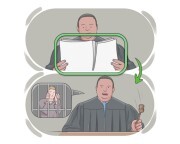
trial
trial
[sostantivo]

a legal process where a judge and jury examine evidence in court to decide if the accused is guilty

processo

processo

Ex: The trial lasted for several weeks as witnesses testified and evidence was presented. 
Chiudi
Accedi
regulation
regulation
[sostantivo]

a rule made by the government, an authority, etc. to control or govern something within a particular area

regolamento, norma

regolamento, norma

Ex: The new regulations require all vehicles to undergo emissions testing annually. 
Chiudi
Accedi
requirement
requirement
[sostantivo]

an activity or action that must be performed

necessità

necessità

Ex: Completing homework is a course requirement. 
Chiudi
Accedi
system
system
[sostantivo]

a procedure or process for obtaining an objective

sistema, procedura

sistema, procedura

Chiudi
Accedi
to forbid
to forbid
[Verbo]

to not give permission typically through the use of authority, rules, etc.

proibire

proibire

Ex: The teacher forbade talking during the exam. 
Chiudi
Accedi
LanGeek
Scarica l'app LanGeek