pattern

Engleză Cambridge: FCE (B2 First) - Lege și Crimă

Învață vocabularul FCE pentru drept și criminalitate, inclusiv infracțiuni, poliție, instanțe, pedepse, drepturi, proceduri legale și situații comune legate de criminalitate.

Revizuire

Fișe de studiu

forme

Ortografie

Chestionar

Începe să înveți
Cambridge English: FCE (B2 First)
to arrest
to arrest
[verb]

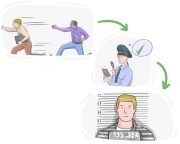
(of law enforcement agencies) to take a person away because they believe that they have done something illegal

aresta
aresta

Ex: Law enforcement agencies may arrest individuals suspected of drug trafficking. 
Închide
Conectare
burglar
burglar
[substantiv]

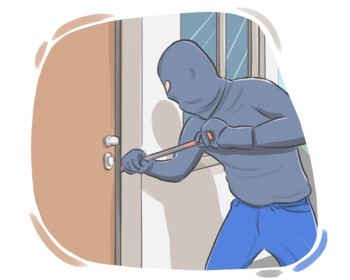
someone who illegally enters a place in order to steal something

hoț, spărgător

hoț, spărgător

Ex: The burglar broke into the house through the back door while the family was asleep upstairs. 

Burghezul a intrat în casă prin ușa din spate în timp ce familia dormea la etaj.

Închide
Conectare
cell
cell
[substantiv]

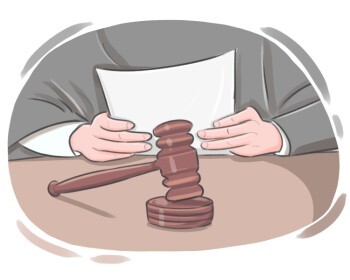
a very small enclosed space in which a prisoner is kept

celulă, temniță
celulă, temniță

Ex: She peered through the bars of her cell, hoping for a glimpse of the outside world. 
Închide
Conectare
to charge
to charge
[verb]

to officially accuse someone of an offense

acuză, inculpa

acuză, inculpa

Ex: Law enforcement officers may charge individuals with trespassing if they enter restricted areas. 
Închide
Conectare
to [commit] a crime

to do something that is against the law
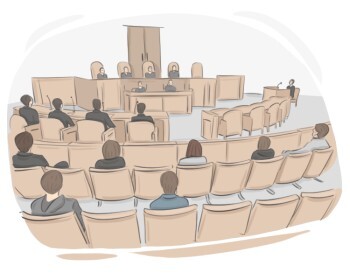
Ex: He committed a crime when he drove without a license. 
Închide
Conectare
court
court
[substantiv]

the place in which legal proceedings are conducted

tribunal, curte

tribunal, curte

Ex: As a witness in the trial, Sarah was required to testify under oath and answer questions posed by the attorneys in the court. 
Închide
Conectare
criminal
criminal
[substantiv]

a person who does or is involved in an illegal activity

criminal, delincvent
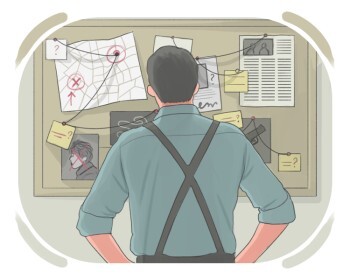
criminal, delincvent

Ex: The criminal was sentenced to five years in prison. 
Închide
Conectare
detective
detective
[substantiv]

a police officer whose job is to investigate crimes and gather evidence about them

detectiv

detectiv

Ex: The detective questioned several witnesses after the robbery. 
Închide
Conectare
DNA
DNA
[substantiv]

(biochemistry) a chemical substance that carries the genetic information, which is present in every cell and some viruses

ADN, acidul dezoxiribonucleic

ADN, acidul dezoxiribonucleic

Ex: Each DNA molecule is made up of two strands that form a double helix shape. 
Închide
Conectare
evidence
evidence
[substantiv]

a statement, document, or object that is used in a law court for establishing facts

dovadă,  probă
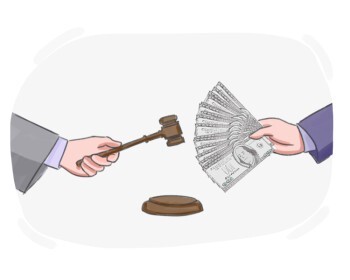
dovadă, probă

Ex: Fingerprints on the weapon served as key evidence in proving the defendant's involvement in the crime. 
Închide
Conectare
to fine
to fine
[verb]

to make someone pay a sum of money as punishment for violation of the law

amenda, a aplica o amendă

amenda, a aplica o amendă

Ex: The airline was fined for overbooking flights and causing significant delays. 
Închide
Conectare
fingerprint
fingerprint
[substantiv]

a mark made by the unique pattern of lines on the tip of a person's finger, can be used to find out who has committed a crime

amprentă digitală, urmă digitală

amprentă digitală, urmă digitală

Ex: Detectives found a clear fingerprint on the window sill, leading to the identification of the burglar. 

Detectivii au găsit o amprentă digitală clară pe pervazul ferestrei, ceea ce a condus la identificarea spărgătorului.

Închide
Conectare
fine
fine
[substantiv]

an amount of money that must be paid as a legal punishment

amendă, sancțiune
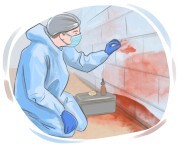
amendă, sancțiune

Ex: The restaurant was fined for health code violations discovered during an inspection. 
Închide
Conectare
forensic
forensic
[adjectiv]

related to the use of scientific techniques when trying to know more about a crime

criminalistic, medicolegal

criminalistic, medicolegal

Ex: The forensic team collected DNA, fingerprint, and fiber evidence from the crime scene. 

Echipa criminalistică a colectat probe ADN, amprente digitale și fibre de la locul crimei.
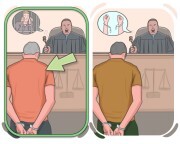
Închide
Conectare
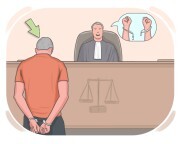
guilty
guilty
[adjectiv]

responsible for an illegal act or wrongdoing

vinovat, responsabil

vinovat, responsabil

Ex: He pleaded guilty to the charges in court. 

El a pledat vinovat la acuzațiile în instanță.
Închide
Conectare
innocent
innocent
[adjectiv]

not guilty of a crime, offense, or wrongdoing

nevinovat,  nevinovată

nevinovat, nevinovată

Ex: The jury found Emma innocent of all charges. 
Închide
Conectare
jury
jury
[substantiv]

a group of people chosen to hear the evidence in a court case and reach a verdict

juriu,  jurați

juriu, jurați

Ex: The jury found the defendant not guilty. 
Închide
Conectare
to kidnap
to kidnap
[verb]

to take someone away and hold them in captivity, typically to demand something for their release

răpi, sechestra

răpi, sechestra

Ex: The criminals planned to kidnap the CEO's daughter for a ransom. 

Criminanții au plănuit să răpească fiica CEO-ului pentru o răscumpărare.

Închide
Conectare
offense
offense
[substantiv]

any act that is against a law

infracțiune, delict

infracțiune, delict

Ex: The driver received a ticket for a traffic offense. 
Închide
Conectare
penalty
penalty
[substantiv]

a punishment given for breaking a rule, law, or legal agreement

pedeapsă, sancțiune

pedeapsă, sancțiune

Ex: The penalty for committing a crime can vary depending on the severity of the offense. 
Închide
Conectare
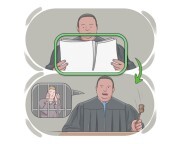
pickpocket
pickpocket
[substantiv]

a criminal who steals money or other goods from people's pockets or bags

hoț de buzunare, pungas

hoț de buzunare, pungas

Ex: The pickpocket skillfully removed the wallet from the tourist’s pocket without being noticed. 

Hoțul de buzunare a scos abil portofelul din buzunarul turistului fără a fi observat.
Închide
Conectare
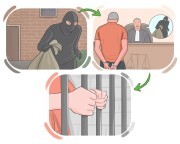
proof
proof
[substantiv]

evidence that establishes or strongly demonstrates that something is true or exists

dovadă,  probă
dovadă, probă

Ex: The police found no proof that Daniel had entered the building. 
Închide
Conectare
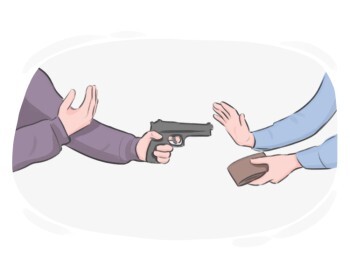
punishment
punishment
[substantiv]

the act or process of making someone suffer a consequence for wrongdoing

pedeapsă,  pedepsire
pedeapsă, pedepsire

Ex: The teacher believed that punishment should be fair and consistent. 
Închide
Conectare
robbery
robbery
[substantiv]

the crime of stealing money or goods from someone or somewhere, especially by violence or threat

jaf, furt

jaf, furt

Ex: The bank was the target of a robbery, with the thieves escaping with a large sum of money. 

Banca a fost ținta unei jafuri, cu hoții care au scăpat cu o sumă mare de bani.

Închide
Conectare
to sentence

to officially state the punishment of someone found guilty in a court of law

condamna

condamna

Ex: The court will sentence the individual convicted of fraud next week. 
Închide
Conectare
to shoplift

to steal goods from a store by secretly taking them without paying

fura din magazin, comite furt din magazine

fura din magazin, comite furt din magazine

Ex: The teenager was caught shoplifting cosmetics from a local department store. 

Adolescentul a fost prins furând cosmetice dintr-un magazin local.

Închide
Conectare
to steal
to steal
[verb]

to take something from someone or somewhere without permission or paying for it

fura, șterpeli

fura, șterpeli

Ex: Yesterday, someone stole my lunch from the office fridge. 
Închide
Conectare
suspect
suspect
[substantiv]

someone who is believed to be guilty of an offence

suspect

suspect

Ex: The main suspect in the robbery was seen fleeing the area on camera. 
Închide
Conectare
suspicious
suspicious
[adjectiv]

not conforming to the expected or usual pattern, giving rise to doubt or concern

suspect, dubios

suspect, dubios

Ex: Her unusually quiet demeanor at the party was suspicious to her close friends. 

Comportamentul ei neobișnuit de liniștit la petrecere a fost suspect pentru prietenii ei apropiați.

Închide
Conectare
to [take] {sb/sth} to court

to start a legal process against someone or something to resolve a dispute

Ex: They took their former business partner to court over a breach of contract. 
Închide
Conectare
thief
thief
[substantiv]

a person who steals something that belongs to someone else

hoț,  hoață

hoț, hoață

Ex: The thief stole Emma's wallet while she was boarding the bus. 
Închide
Conectare
to trace
to trace
[verb]

to find someone or something, often by following a series of clues or evidence

urmări, găsi

urmări, găsi

Ex: The archaeologist frequently traces ancient civilizations through the study of artifacts. 
Închide
Conectare
trial
trial
[substantiv]

a legal process where a judge and jury examine evidence in court to decide if the accused is guilty

proces, judecată

proces, judecată

Ex: She was nervous about her upcoming trial and hoped the jury would believe her innocence. 
Închide
Conectare
regulation
regulation
[substantiv]

a rule made by the government, an authority, etc. to control or govern something within a particular area

regulament, reglementare

regulament, reglementare

Ex: Financial regulations aim to ensure fair and transparent practices in the banking industry. 
Închide
Conectare
requirement
requirement
[substantiv]

an activity or action that must be performed

cerință, obligație

cerință, obligație

Ex: The job has a training requirement. 
Închide
Conectare
system
system
[substantiv]

a procedure or process for obtaining an objective

sistem, procedură

sistem, procedură

Ex: We developed a system for checking every order before shipping. 
Închide
Conectare
to forbid
to forbid
[verb]

to order or officially state that someone must not do something or that something must not happen

interzice,  opri

interzice, opri

Ex: The school forbids students from using phones during exams. 
Închide
Conectare
LanGeek
Descarcă aplicația LanGeek