pattern

本 English File - 中上級 - レッスン 7B

ここでは、English File Upper Intermediateコースブックのレッスン7Bからの語彙を見つけることができます。例えば「手のひら」、「しわ」、「肩をすくめる」などです。

レビュー

フラッシュカード

語形

綴り

クイズ

学習を開始
English File - Upper Intermediate
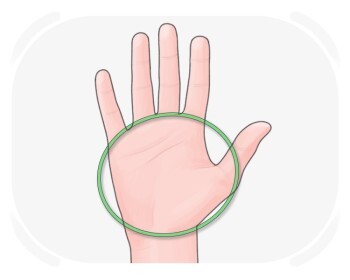
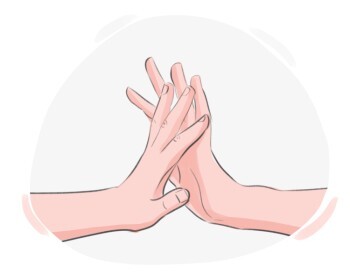
palm
palm
[名詞]

the inner surface of the hand between the wrist and the fingers

手のひら,  掌
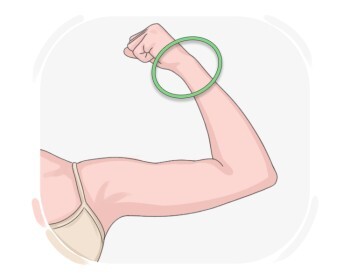
手のひら, 掌

Ex: She held the coin in the palm of her hand. 
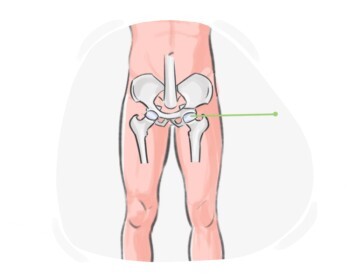
wrist
wrist
[名詞]

the part of the body connecting the hand to the forearm

手首
手首

Ex: Sarah hurt her wrist while playing tennis. 
bottom
bottom
[名詞]

the part of the body on which a person sits

お尻, 臀部
お尻, 臀部

Ex: The chair was so uncomfortable that I could feel it pressing against my bottom after a short time. 
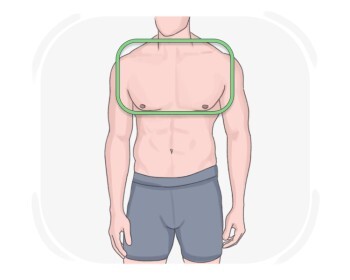
chest
chest
[名詞]

the front part of the body between the neck and the stomach

胸,  胸部
胸, 胸部

Ex: She placed her hand over her chest and felt her heartbeat. 
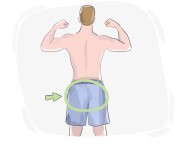
hip
hip
[名詞]

either of the two areas at the sides of the body between the waist and the upper legs
Ex: She stood with her hands on her hips. 
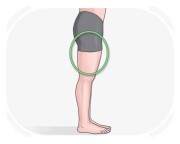
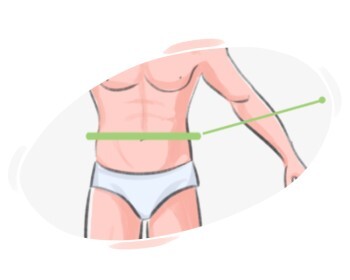
thigh
thigh
[名詞]

the upper part of the leg between the hip and the knee

太もも
太もも

Ex: Emma felt a sharp pain in her left thigh after running. 
waist
waist
[名詞]

the part of the body between the ribs and hips, usually narrower than the areas above and below it
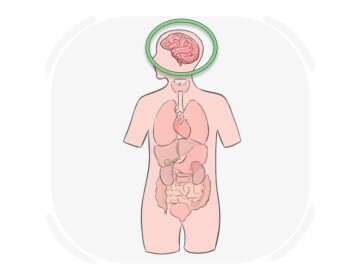
Ex: Sarah wrapped a belt around her waist. 
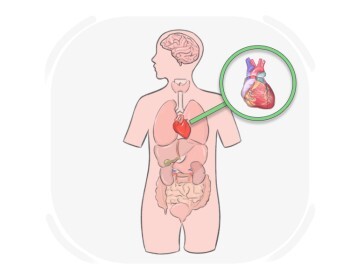
brain
brain
[名詞]

the body part that is inside our head controlling how we feel, think, move, etc.

脳
脳

Ex: The brain is responsible for controlling our thoughts and actions. 
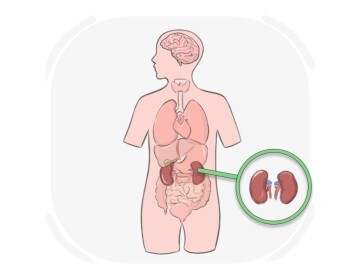
heart
heart
[名詞]

the body part that pushes the blood to go to all parts of our body

心臓, 心
心臓, 心

Ex: The heart is a vital organ that pumps blood throughout the body. 
kidney
kidney
[名詞]

each of the two bean-shaped organs in the lower back of the body that separate wastes from the blood and make urine

腎臓, じんぞう

腎臓, じんぞう

Ex: Drinking plenty of water and adopting a balanced diet low in sodium and processed foods can help promote kidney health and prevent disease. 

十分な水を飲み、ナトリウムと加工食品が少ないバランスの取れた食事を採用することは、腎臓の健康を促進し、病気を予防するのに役立ちます。
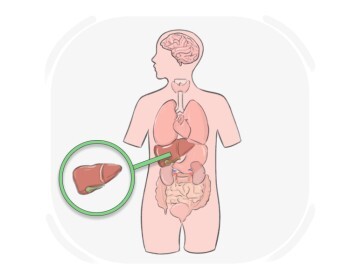
liver
liver
[名詞]

a large organ in the abdomen that performs many metabolic functions, including processing nutrients, producing bile, and removing harmful substances from the blood

肝臓, 肝
肝臓, 肝

Ex: The liver helps remove harmful substances from the blood. 
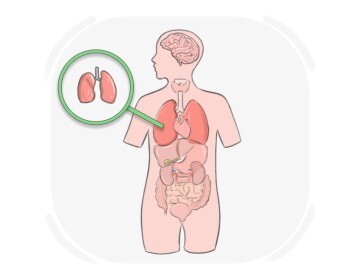
lung
lung
[名詞]

either of the two organs in the chest that allow people and many animals to breathe
Ex: Emma took a deep breath and filled her lungs with fresh air. 
arm
arm
[名詞]

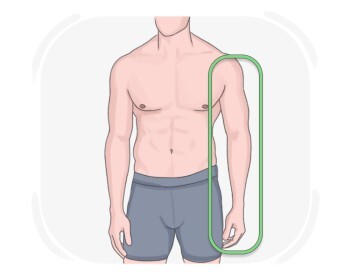
one of the two body parts that is connected to the shoulder and ends with fingers

腕
腕

Ex: She felt a sense of protection as her father placed his arm around her. 
eyebrow
eyebrow
[名詞]

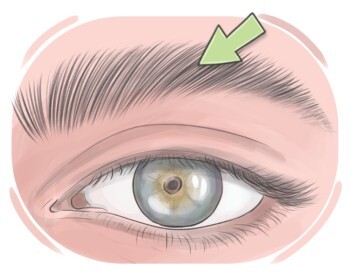
one of the two curved strips of hair that grow above the eyes

眉毛
眉毛

Ex: Emma raised one eyebrow when she heard the strange explanation. 
hair
hair
[名詞]

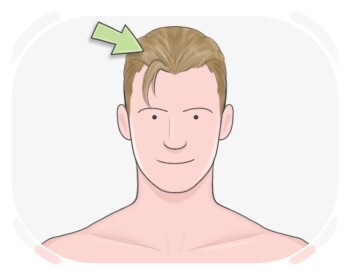
the thin thread-like things that grow on our head

髪, 毛
髪, 毛

Ex: I need a haircut because my hair is getting too long. 
hand
hand
[名詞]

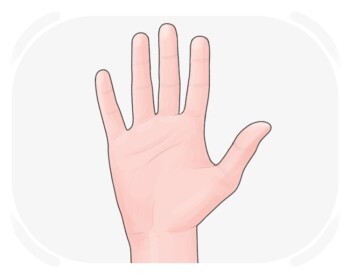
the part of our body that is at the end of our arm and we use to grab, move, or feel things

手, 掌
手, 掌

Ex: She raised her hand to ask a question in class. 
head
head
[名詞]

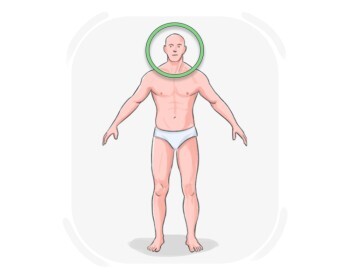
the top part of body, where brain and face are located

頭, 頭部
頭, 頭部

Ex: She held her head high as she walked confidently into the room. 
nose
nose
[名詞]

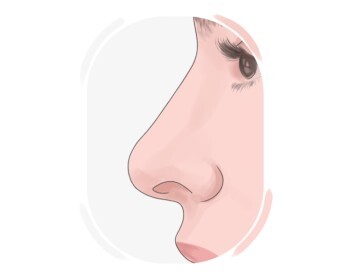
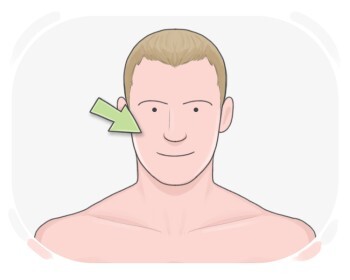
the body part that is in the middle of our face and we use to smell and breathe

鼻, 鼻孔
鼻, 鼻孔

Ex: She wrinkled her nose at the strong smell. 
shoulder
shoulder
[名詞]

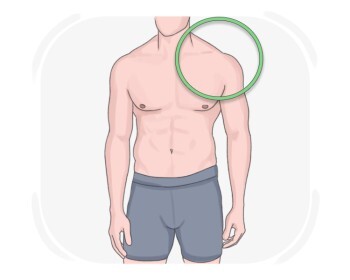
each of the two parts of the body between the top of the arms and the neck

肩
肩

Ex: The massage therapist kneaded the tense muscles in her shoulders, providing relief from stress and tension. 
body
body
[名詞]

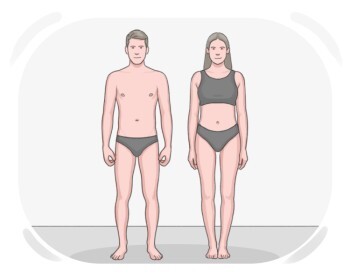
our or an animal's hands, legs, head, and every other part together

体, 身体
体, 身体

Ex: The doctor examined her body to check for any signs of illness or injury. 
cheek
cheek
[名詞]

any of the two soft sides of our face that are bellow our eyes

頬
頬

Ex: She smiled, her cheeks dimpling with joy. 
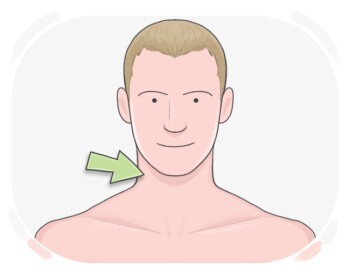
chin
chin
[名詞]

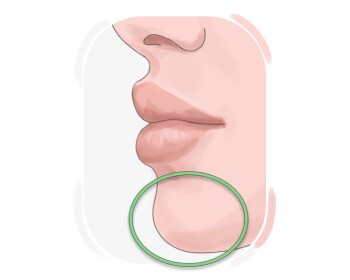
the part of the face below the mouth and above the neck

顎,  あご
顎, あご

Ex: Daniel rested his chin on his hand. 
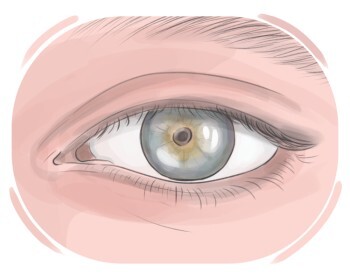
eye
eye
[名詞]

a body part on our face that we use for seeing

目, 目
目, 目

Ex: She winked at him, playfully closing one eye. 
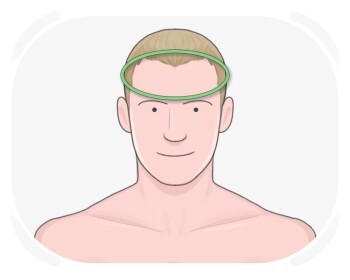
forehead
forehead
[名詞]

the flat part of the face above the eyebrows and below the hairline

額,  ひたい
額, ひたい

Ex: She wiped the sweat from her forehead. 
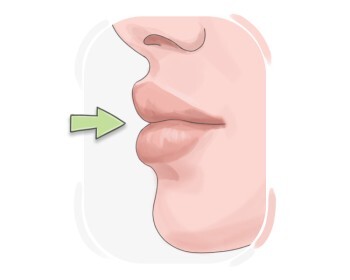
lip
lip
[名詞]

each of the two soft body parts that surround our mouth

唇
唇

Ex: She pursed her lips, showing disapproval. 
neck
neck
[名詞]

the body part that is connecting the head to the shoulders

首
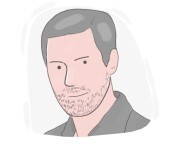
首

Ex: She wore a necklace around her neck. 
stubble
stubble
[名詞]

short stiff hair growing on the face when it is not shaved, typically on a man's face

数日分のひげ, 短く硬いひげ

数日分のひげ, 短く硬いひげ

Ex: After not shaving for a few days, he had a thick stubble covering his chin and cheeks. 

数日間ひげを剃らないでいると、彼のあごと頬には厚い無精ひげが生えていた。

wrinkle
wrinkle
[名詞]

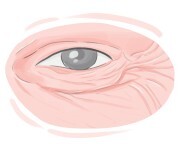
a small fold or line in a piece of cloth or in the skin, particularly the face

しわ, 折り目

しわ, 折り目

Ex: She smiled and a tiny wrinkle appeared at the corner of her eyes, showing the wisdom of her years. 

彼女は微笑み、目の隅に小さなしわが現れ、彼女の年の知恵を示した。

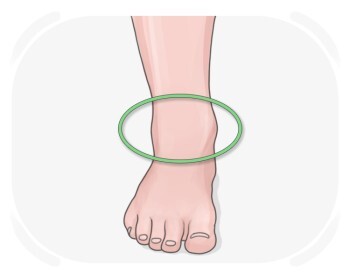
ankle
ankle
[名詞]

the joint connecting the foot to the lower part of the leg

足首
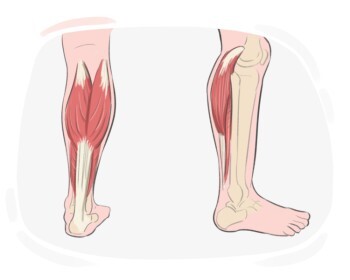
足首

Ex: Emma twisted her ankle while running down the stairs. 
calf
calf
[名詞]

the muscular part at the back of the leg between the knee and the ankle

ふくらはぎ, 腓腹筋
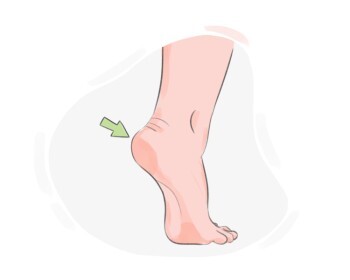
ふくらはぎ, 腓腹筋

Ex: The athlete did calf raises as part of their strength training routine to build stronger leg muscles. 
heel
heel
[名詞]

the rounded back part of the foot below the ankle

かかと, 踵
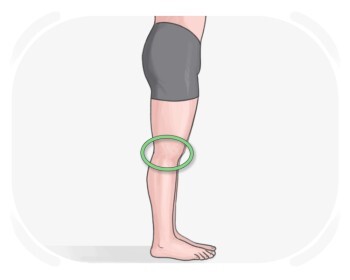
かかと, 踵

Ex: Daniel had a blister on his heel after the hike. 
knee
knee
[名詞]

the body part that is in the middle of the leg and helps it bend

膝
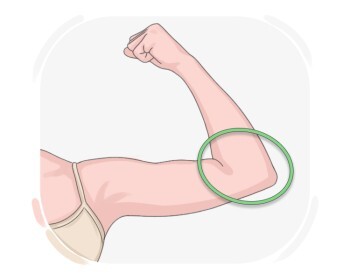
膝

Ex: He performed knee exercises to strengthen the muscles around the joint. 
elbow
elbow
[名詞]

the joint where the upper arm and forearm meet and bend

肘,  ひじ
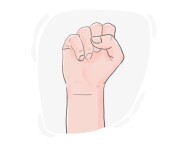
肘, ひじ

Ex: Emma rested her elbows on the table. 
fist
fist
[名詞]

a hand closed tightly with the fingers bent into the palm

拳,  こぶし
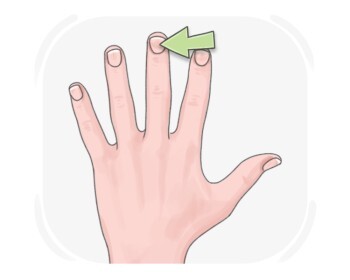
拳, こぶし

Ex: Daniel clenched his fist in anger. 
nail
nail
[名詞]

the hard smooth layer that grows over the end of a finger or toe

爪
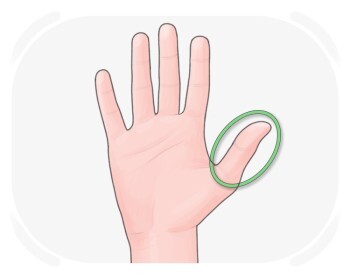
爪

Ex: Emma painted her nails bright red. 
thumb
thumb
[名詞]

the short, thick digit of the hand that is set apart from and can move across the other fingers

親指
親指

Ex: Emma cut her thumb while slicing an apple. 
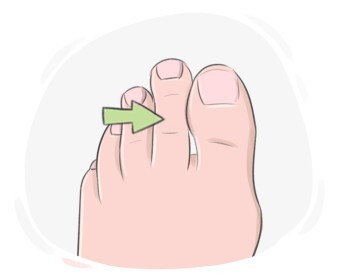
toe
toe
[名詞]

one of the separate digits at the end of a human foot or the corresponding part of an animal's foot
Ex: Emma stubbed her toe on the edge of the bed. 
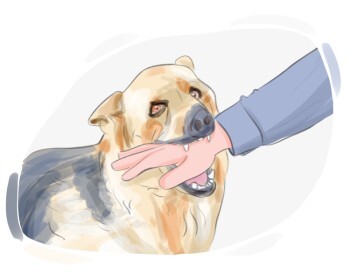
to bite
to bite
[動詞]

to cut into flesh, food, etc. using the teeth

噛む, 咀嚼する
噛む, 咀嚼する

Ex: The toddler tried to bite into the juicy apple but struggled with his small teeth. 
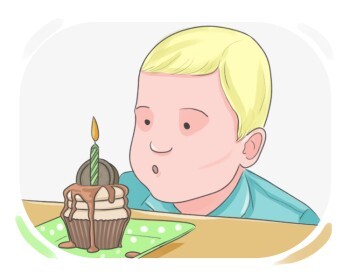
to blow
to blow
[動詞]

to exhale forcefully through the mouth

吹く, 強く息を吐く
吹く, 強く息を吐く

Ex: She blew on her cup of hot tea to cool it down before taking a sip. 
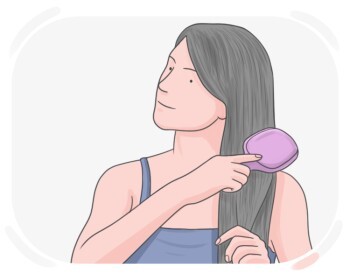
to brush
to brush
[動詞]

to use a tool to arrange or tidy up your hair

ブラシをかける, 櫛でとかす
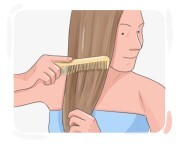
ブラシをかける, 櫛でとかす

Ex: They brush their pet's fur regularly to keep it clean and free of mats. 
to comb
to comb
[動詞]

to use a tool with narrow, evenly spaced teeth to untangle and arrange hair

梳く, 整える

梳く, 整える

Ex: She combs her hair every morning before leaving for work. 

彼女は仕事に行く前に毎朝髪をくしでとかします。

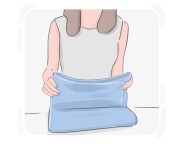
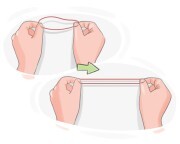
to fold
to fold
[動詞]

to bend something so that one part lies over or against another
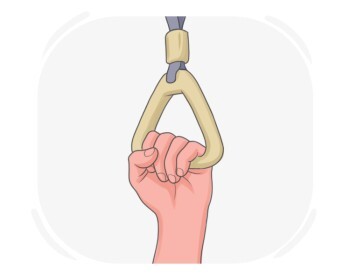
Ex: Emma folded the letter and put it in an envelope. 
to hold
to hold
[動詞]

to have in your hands or arms

持つ, 抱える

持つ, 抱える

Ex: They held candles during the power outage. 
to touch
to touch
[動詞]

to put our hand or body part on a thing or person

触れる, 触る
触れる, 触る

Ex: She hesitated to touch the hot pan with her bare hands. 
to suck
to suck
[動詞]

to draw liquid or air into the mouth by creating suction with the lips and tongue

吸う,  すすり上げる
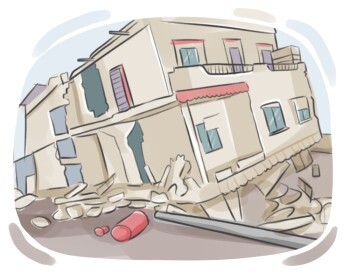
吸う, すすり上げる

Ex: Emma sucked the juice through a straw. 
to shake
to shake
[動詞]

to move from side to side or up and down

振る, 揺らす
振る, 揺らす

Ex: The cat climbed the tree, causing the branches to shake with every agile movement. 
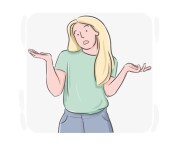
to shrug
to shrug
[動詞]

to raise the shoulders briefly to show uncertainty, indifference, ignorance, or lack of concern

肩をすくめる,  肩をすくめる
肩をすくめる, 肩をすくめる

Ex: Emma shrugged when I asked where Daniel had gone. 
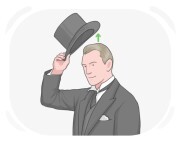
to raise
to raise
[動詞]

to put something or someone in a higher place or lift them to a higher position

上げる, 持ち上げる

上げる, 持ち上げる

Ex: She raised her eyes from her work. 
to wink
to wink
[動詞]

to quickly open and close one eye as a sign of affection or to indicate something is a secret or a joke

ウィンクする, 目配せする

ウィンクする, 目配せする

Ex: At the surprise party, everyone winked to maintain the secrecy of the celebration. 

サプライズパーティーで、みんなが祝賀の秘密を守るためにウィンクしました。

to chew
to chew
[動詞]

to bite and crush food into smaller pieces with the teeth to make it easier to swallow

噛む, 咀嚼する

噛む, 咀嚼する

Ex: He chews his food slowly to aid digestion. 

彼は消化を助けるために食べ物をゆっくり噛みます。

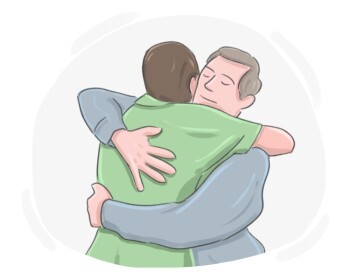
to hug
to hug
[動詞]

to tightly and closely hold someone in one's arms, typically a person one loves

抱きしめる, ハグする

抱きしめる, ハグする

Ex: She rushed to hug her friend upon seeing her after a long time. 

長い間会っていなかった友達を見て、彼女は急いで抱擁した。

to scratch
to scratch
[動詞]

to rub the skin with the fingernails or claws, especially to relieve itching

引っ掻く, 掻く
引っ掻く, 掻く

Ex: Sarah scratched her ankle after a mosquito bit her. 
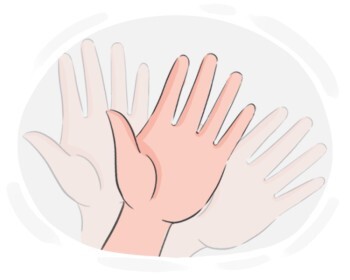
to wave
to wave
[動詞]

to raise one's hand and move it from side to side to greet someone or attract their attention

手を振る, 手を振って挨拶する
手を振る, 手を振って挨拶する

Ex: In the crowded airport, he waved to catch the attention of his travel companion. 
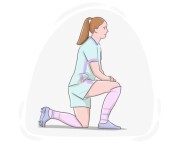
to kneel
to kneel
[動詞]

to support the weight of the body on a knee or both knees

ひざまずく

ひざまずく

Ex: In prayer, the congregation was instructed to kneel and seek solace in their faith. 

祈りの中で、会衆はひざまずくように指示され、信仰に慰めを求めました。

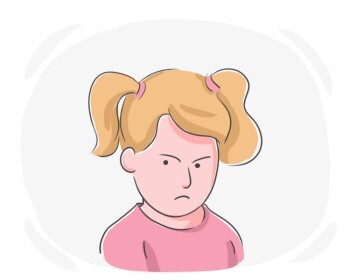
to frown
to frown
[動詞]

to bring the eyebrows together and wrinkle the forehead, especially to show anger, worry, confusion, or disapproval

眉をひそめる,  顔をしかめる
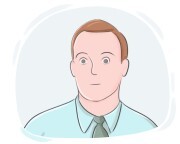
眉をひそめる, 顔をしかめる

Ex: She frowned when she saw the mistake. 
to stare
to stare
[動詞]

to look at someone or something without moving the eyes or blinking, usually for a while, and often without showing any expression

じっと見る, 凝視する
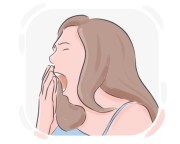
じっと見る, 凝視する

Ex: While I was in the waiting room, I stared at the clock. 
to yawn
to yawn
[動詞]

to unexpectedly open one's mouth wide and deeply breathe in because of being bored or tired

あくびをする, 退屈で口を大きく開ける

あくびをする, 退屈で口を大きく開ける

Ex: As the lecture dragged on, students began to yawn in boredom. 

講義が長引くにつれ、学生たちは退屈であくびをし始めた。

to stretch
to stretch
[動詞]

to make something longer, looser, or wider, especially by pulling it

伸ばす, 広げる
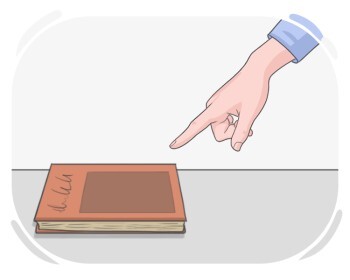
伸ばす, 広げる

Ex: The fitness trainer will guide you on how to stretch your muscles properly. 
to point
to point
[動詞]

to show the place or direction of someone or something by holding out a finger or an object

指す, 示す

指す, 示す

Ex: Right now, the traffic officer is actively pointing to the detour route. 
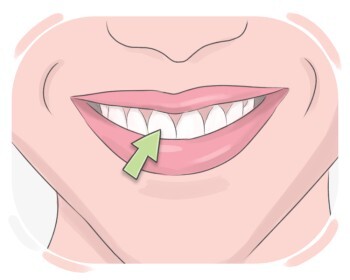
tooth
tooth
[名詞]

one of the things in our mouth that are hard and white and we use to chew and bite food with

歯

歯

Ex: He winced as the dentist extracted the decayed tooth, providing relief from the persistent ache. 
LanGeek
LanGeekアプリをダウンロード