pattern

SAT 語彙スキル 2 - レッスン 36

レビュー

フラッシュカード

綴り

クイズ

学習を開始
SAT Word Skills 2
hypnosis
hypnosis
[名詞]

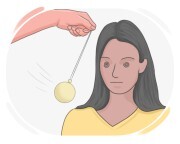
a state of heightened focus and concentration in which a person becomes more responsive to suggestions

催眠, 催眠状態

催眠, 催眠状態

Ex: During hypnosis, the therapist suggested the patient would no longer experience pain in their injured knee. 

催眠中に、セラピストは患者が怪我をした膝の痛みを感じなくなるだろうと示唆しました。

hypnotic
hypnotic
[形容詞]

relating to or induced by hypnosis

催眠の, 魅惑的な

催眠の, 魅惑的な

Ex: The patient entered a hypnotic state during therapy. 

患者はセラピー中に催眠状態に入った。

to hypnotize
to hypnotize
[動詞]

to induce a temporary altered state of receptive focus through which a subject will respond to suggestions

催眠術をかける, 眠らせる

催眠術をかける, 眠らせる

Ex: The stage hypnotist was able to hypnotize several volunteers from the audience to come up on stage for his show. 

舞台の催眠術師は、彼のショーのためにステージに上がるよう観客から数人のボランティアを催眠状態にすることができた。

to convey
to convey
[動詞]

to make information known or pass it on to another person

Ex: Please convey the message to Daniel when he arrives. 
conveyance
conveyance
[名詞]

the legal act of transferring the ownership or title of property from one person or entity to another

譲渡, 移転

譲渡, 移転

Ex: The court reviewed the legality of the land conveyance. 

裁判所は土地の譲渡の合法性を審査した。

fervor
fervor
[名詞]

intense and passionate feeling

熱情, 熱意

熱情, 熱意

Ex: The crowd cheered with patriotic fervor as the flag was raised. 

旗が掲げられたとき、群衆は愛国的な熱意を持って歓声を上げた。

fervid
fervid
[形容詞]

characterized by passionate intensity, burning dedication, and deeply felt enthusiasm

熱烈な, 情熱的な

熱烈な, 情熱的な

Ex: Scientists have long held fervid debates on how to address the climate crisis with policies that match the scale of the problem. 

科学者たちは長い間、問題の規模に合った政策で気候危機にどう対処するかについて熱烈な議論を続けてきました。

fervent
fervent
[形容詞]

implying strong, deep feelings of commitment, belief, or support about someone or something

熱心な, 情熱的な

熱心な, 情熱的な

Ex: The crowd cheered with fervent support for their home team. 

群衆は地元チームへの熱烈な支援で歓声を上げた。

sibilant
sibilant
[形容詞]

(of a speech sound) having a hissing or hushing effect, as in "s," "sh," or "z"

歯擦音の, シシビレント

歯擦音の, シシビレント

Ex: In her phonetic analysis, the linguist noted the speaker's tendency to prolong final sibilant consonants. 

彼女の音声分析では、言語学者は話者が最終的な歯擦音子音を延長する傾向があることに気づきました。

to sibilate
to sibilate
[動詞]

to hiss in a way meant to convey disapproval, dissent, or a negative reaction

シューという音を立てる, 口笛を吹く

シューという音を立てる, 口笛を吹く

Ex: When the umpire made the questionable call, fans in the bleachers loudly sibilated their disagreement. 

審判が疑問の判定を下したとき、スタンドのファンは大声でシューという音を立てて不満を表した。

to nurture
to nurture
[動詞]

to help something develop, grow, evolve, etc.

育む, 養う

育む, 養う

Ex: Teachers aim to nurture students' intellectual curiosity and critical thinking skills. 

教師は、生徒の知的好奇心と批判的思考スキルを育むことを目指しています。

nutriment
nutriment
[名詞]

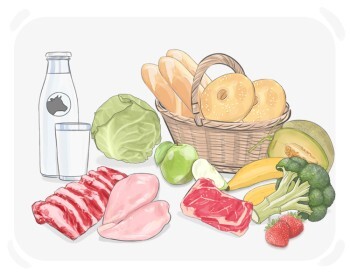
any substance that provides nourishment to living organisms

栄養素, 栄養物質

栄養素, 栄養物質

Ex: Plants absorb mineral nutriments like nitrogen and phosphorus from the soil to aid photosynthesis and cellular functions. 

植物は光合成と細胞機能を助けるために、土壌から窒素やリンなどのミネラル栄養素を吸収します。

nutritive
nutritive
[形容詞]

containing or able to deliver substances essential for growth, maintenance, and repair of cells and tissues

栄養のある, 栄養価の高い

栄養のある, 栄養価の高い

Ex: Leafy greens and other vegetables are highly nutritive foods that provide the body with minerals and fiber. 

葉物野菜やその他の野菜は、体にミネラルと繊維を提供する非常に栄養価の高い食品です。

dissidence
dissidence
[名詞]

the action or process of disagreeing or disobeying established authority or doctrine

異議, 反対

異議, 反対

Ex: The dictator responded to growing public dissidence with increasingly repressive security crackdowns and censorship. 

独裁者は、増大する国民の反体制運動に対して、ますます抑圧的な治安弾圧と検閲で応えた。

dissident
dissident
[名詞]

someone who declares opposition to the government of one's country, knowing there is punishment for doing so

反体制派, 異議を唱える人

反体制派, 異議を唱える人

Ex: Andrei Sakharov was a prominent Soviet physicist who became a dissident due to his campaigns for political and civil rights. 

アンドレイ・サハロフは、政治的な権利と市民権を求める運動のために反体制派となった著名なソ連の物理学者でした。

lateral
lateral
[形容詞]

situated toward the outer sides of the body

外側の, 横の

外側の, 横の

Ex: The lateral muscles of the abdomen play a crucial role in stabilizing the core. 

腹部の外側の筋肉は、体幹を安定させる上で重要な役割を果たします。

latish
latish
[形容詞]

later than anticipated or scheduled, but not significantly delayed

遅めの, 少し遅れた

遅めの, 少し遅れた

Ex: I usually finish work by 5pm, but today it was more like 5:10pm, which was latish for me. 

私は通常午後5時までに仕事を終えますが、今日は午後5時10分ごろで、私にとっては少し遅い時間でした。

lattice
lattice
[名詞]

a structure made of strips of wood, metal, or other rigid material arranged in a criss-crossed, grid-like pattern

格子, ラティス

格子, ラティス

Ex: She decorated the side of her garden shed with a lattice pattern made of interwoven twigs. 

彼女は庭の物置の側面を、編み込んだ小枝で作った格子模様で飾りました。

LanGeek
LanGeekアプリをダウンロード