
pattern

SAT Word Skills 2 - Lesson 36

Review

Flashcards

Forms

Spelling

Quiz

Start learning
SAT Word Skills 2
hypnosis
hypnosis
[noun]

a state of heightened focus and concentration in which a person becomes more responsive to suggestions

Ex: During hypnosis, the therapist suggested the patient would no longer experience pain in their injured knee. 
Close
Sign in
hypnotic
hypnotic
[Adjective]

relating to or induced by hypnosis

Ex: The patient entered a hypnotic state during therapy. 
Close
Sign in
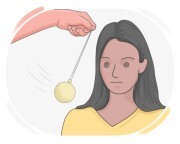
to hypnotize

to induce a temporary altered state of receptive focus through which a subject will respond to suggestions
Ex: The stage hypnotist was able to hypnotize several volunteers from the audience to come up on stage for his show. 
Close
Sign in
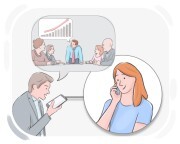
to convey
to convey
[Verb]

to pass on information from one party to another

Ex: During the press briefing, the spokesperson worked to clearly convey the latest facts and figures about the issue. 
Close
Sign in
conveyance

the legal act of transferring the ownership or title of property from one person or entity to another

Ex: The lawyer prepared the deed for the conveyance of the estate. 
Close
Sign in
fervor
fervor
[noun]

intense and passionate feeling

Ex: The crowd cheered with patriotic fervor as the flag was raised. 
Close
Sign in
fervid
fervid
[Adjective]

characterized by passionate intensity, burning dedication, and deeply felt enthusiasm

Ex: Scientists have long held fervid debates on how to address the climate crisis with policies that match the scale of the problem. 
Close
Sign in
fervent
fervent
[Adjective]

implying strong, deep feelings of commitment, belief, or support about someone or something

Ex: The crowd cheered with fervent support for their home team. 
Close
Sign in
sibilant
sibilant
[Adjective]

(of a speech sound) having a hissing or hushing effect, as in "s," "sh," or "z"

Ex: In her phonetic analysis, the linguist noted the speaker's tendency to prolong final sibilant consonants. 
Close
Sign in
to sibilate

to hiss in a way meant to convey disapproval, dissent, or a negative reaction

Ex: When the umpire made the questionable call, fans in the bleachers loudly sibilated their disagreement. 
Close
Sign in
to nurture

to help something develop, grow, evolve, etc.
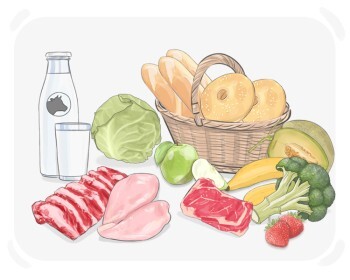
Ex: Teachers aim to nurture students' intellectual curiosity and critical thinking skills. 
Close
Sign in
nutriment
nutriment
[noun]

any substance that provides nourishment to living organisms

Ex: Plants absorb mineral nutriments like nitrogen and phosphorus from the soil to aid photosynthesis and cellular functions. 
Close
Sign in
nutritive
nutritive
[Adjective]

containing or able to deliver substances essential for growth, maintenance, and repair of cells and tissues

Ex: Leafy greens and other vegetables are highly nutritive foods that provide the body with minerals and fiber. 
Close
Sign in
dissidence

the action or process of disagreeing or disobeying established authority or doctrine

Ex: The dictator responded to growing public dissidence with increasingly repressive security crackdowns and censorship. 
Close
Sign in
dissident
dissident
[noun]

someone who declares opposition to the government of one's country, knowing there is punishment for doing so

Ex: Andrei Sakharov was a prominent Soviet physicist who became a dissident due to his campaigns for political and civil rights. 
Close
Sign in
lateral
lateral
[Adjective]

situated toward the outer sides of the body

Ex: Therapy focused on stretches targeting the lateral muscles along the hips and lower back. 
Close
Sign in
latish
latish
[Adjective]

later than anticipated or scheduled, but not significantly delayed

Ex: I usually finish work by 5pm, but today it was more like 5:10pm, which was latish for me. 
Close
Sign in
lattice
lattice
[noun]

a structure made of strips of wood, metal, or other rigid material arranged in a criss-crossed, grid-like pattern

Ex: She decorated the side of her garden shed with a lattice pattern made of interwoven twigs. 
Close
Sign in
LanGeek
Download LanGeek app