
Cambridge IELTS 19 - アカデミック - テスト2 - リスニング - パート4 (1)
Learn vocabulary from the first part of Cambridge IELTS 19 Academic, Test 2 Listening Part 4, with useful words and expressions from this section.
レビュー
フラッシュカード
語形
綴り
クイズ
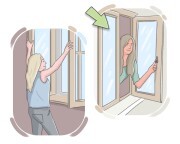
in a direction away from the center or inside

外側に, 外向きに
ドアは廊下に外側に開きました。

to make something visible
明らかにする, 見せる

a part of a living organism that is made up of cells and is designed to perform a specific function
構造, 器官
a thin, needle-like structure used by some animals or plants to pierce or penetrate surfaces, typically for feeding or extracting fluids
針状体, 針
蚊は針状器官を使って皮膚を刺し、血を吸います。
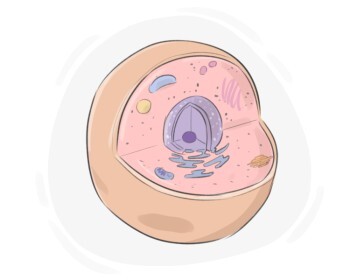
an organism's smallest unit, capable of functioning on its own
細胞
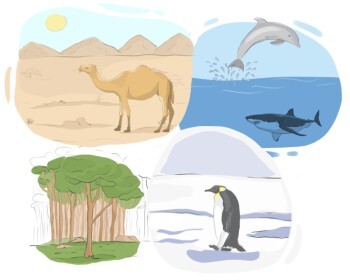
the natural environment in which a particular animal, plant, or other organism normally lives or grows

in most cases; as a standard or norm
一般的に、通常
その植物は一般的に「レディースリッパー」と呼ばれています。
the bottom surface of a body of water, such as a sea, lake, etc.
底, 床

having the ability or capacity to do something
有能な, 能力のある
彼女は複雑な問題を解決する能力があります。
to continue to live or exist specifically after experiencing a particular severe event or accident
生き残る, 生存する
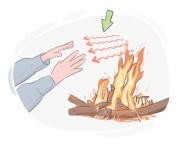
energy emitted or transmitted through space or matter in the form of waves or particles
放射線, 輻射
(physics) the amount of force exerted per area that is measured in pascal, newton per square meter, etc.
圧力, 物理的圧力
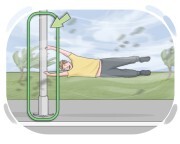
to resist or endure the force, pressure, or challenges imposed upon oneself
耐える, 抵抗する
建物の頑丈な構造は、強い風や地震に耐えることができます。
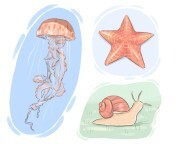
species that do not possess or cannot develop a spinal column, such as an arthropod, mollusk, etc.
無脊椎動物, 脊椎のない動物
蝶や蟻のような無脊椎動物は、庭の生態系にとって重要です。
a tiny, soft-bodied animal with eight legs that can survive in extreme conditions
緩歩動物, クマムシ
クマムシは、ほとんどの動物が生き残れない場所で生きることができます。
too small to be seen with the naked eye
顕微鏡的な
池の水の中の微視的な生物が顕微鏡の下で明らかになり、小さな生命体の隠れた世界が表示されました。
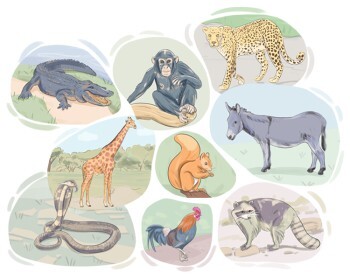
a group that animals, plants, etc. of the same type which are capable of producing healthy offspring with each other are divided into
種, 種々
ガラパゴスフィンチは、異なる種が共通の祖先からどのように進化できるかの古典的な例です。
to be a member or part of a particular group or organization
所属する, の一員である
彼が大学時代にロックバンドに所属していたと信じられますか?

to have or include a variety of what is mentioned
及ぶ, 多様である

(of an animal, child, or plant) to grow with strength, health, or energy
繁栄する, 健やかに成長する
その赤ちゃんは家族の愛情深く支えのあるケアの中で成長しました。
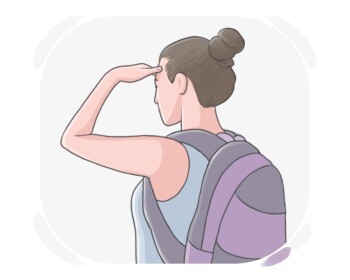
to carefully look at something
見る, 観察する

to invent a new word, phrase, or expression
造語する, 作り出す
to hold common feelings, ideas, sentiments, etc. with someone else
共有する, 意見を交換する
a distinguishing quality or characteristic, especially one that forms part of someone's personality or identity
特徴, 特性
彼らはその地域の様々な動物の特徴を研究した。
having a smooth and curved shape, lacking sharp angles or corners
丸みを帯びた, 丸みのある縁の
彫刻の丸みを帯びた輪郭は、流動性と優美さの感覚を与えた。
a large cylindrical container with flat ends and curved sides, used especially for storing liquids or food
樽, バレル
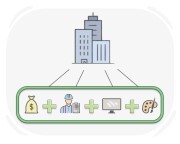
to be made up of various components or parts within a whole
含む, 構成する
one of the repeated sections forming the body or an appendage of an insect or other segmented animal
体節, 節
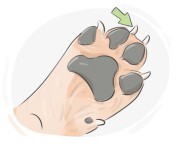
a sharp and curved nail on the toe of an animal or a bird
爪, 鉤爪
猫は身を守るために鋭い爪を伸ばした。
a flat, round piece of cartilage between two bones of the spine
椎間板, ディスク
by using or with the help of something
によって, を通じて
彼は手紙と電話によって家族と連絡を取った。
the act of pulling something in by using air, water, or another force to create a space with lower pressure
吸引, 吸い込み
掃除機はほこりを拾うために吸引を使用します。
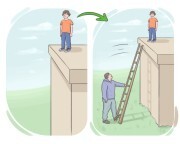
to give someone or something the means or ability to do something
可能にする, 有効にする
to stick or adhere closely to a surface or object
張り付く, くっつく
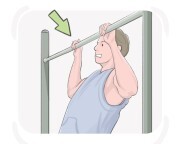
to firmly hold something
しっかり握る, 強く握る
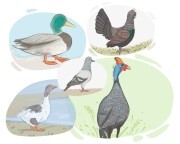
an animal that is hunted and killed for food by another animal
獲物
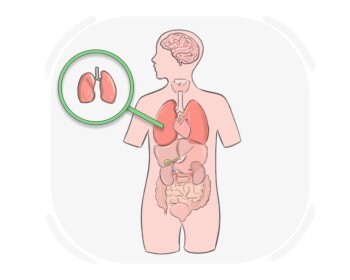
either of the two organs in the chest that allow people and many animals to breathe
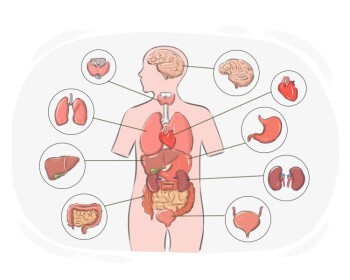
a distinct part of a person, animal, or plant that performs a particular function
器官, 臓器
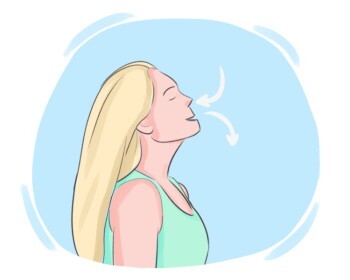
the action of taking air into the lungs and sending it out again
呼吸, 息
瞑想でリラックスするためには、適切な呼吸法が不可欠です。
a substance, such as a liquid or gas, that can flow and take the shape of its container
流体, 流動体
a natural empty space or hollow area inside the body
空洞, 腔
医者は耳の空洞を検査しました。
used to refer to the specific matter or topic being discussed or considered
to a somewhat notable, considerable, or surprising degree
かなり, むしろ
彼は会議にかなり遅れました。
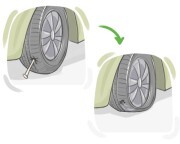
(of something sharp) to make a hole or break in or through something
貫く, 刺す
針は簡単に布を貫通した。
used to indicate that the speaker or writer is providing an exact or accurate version of something, often to clarify, specify, or emphasize a particular point
a very tiny, soft-bodied animal with eight short legs that lives in wet places like moss and can survive in extremely hard conditions
緩歩動物, クマムシ
クマムシは苔の上の水滴の中に住んでいます。
something that has been crushed or flattened
押しつぶされた, 平らにされた
彼女はバッグの底で押しつぶされたサンドイッチを見つけた。
without going into specific details or rare cases
一般的に言って, 概して
アドバイスは、一般的に言えば、従いやすい。
