pattern

Cambridge IELTS 19 - アカデミック - テスト4 - リスニング - パート4 (1)

Learn vocabulary from the first part of Cambridge IELTS 19 Academic, Test 4 Listening Part 4, with useful words and expressions from this section.

レビュー

フラッシュカード

語形

綴り

クイズ

学習を開始
Cambridge IELTS 19 - Academic
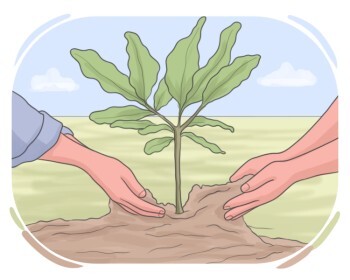
to plant
to plant
[動詞]

to put a seed, plant, etc. in the ground to grow

植える

植える

Ex: To attract butterflies, you should plant some milkweed in your garden. 
to dominate
to dominate
[動詞]

to be more numerous, powerful, or significant than everything else around it

支配する, 優勢である

支配する, 優勢である

Ex: Black cars dominated the parking lot, making the white ones barely noticeable. 
agenda
agenda
[名詞]

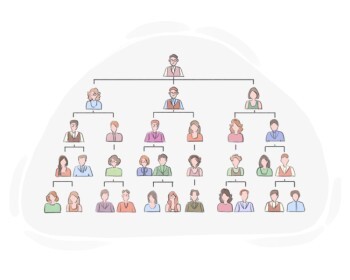
a list or set of matters, tasks, or aims that need attention or action

議題,  アジェンダ
議題, アジェンダ

Ex: Reducing costs is high on the company's agenda this year. 
climate crisis

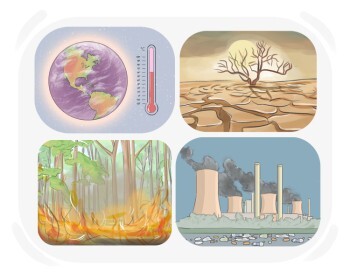
an urgent situation in which proper action must be taken to remove the threats done to the environment

気候危機
気候危機

corporation
corporation
[名詞]

a company or group of people that are considered as a single unit by law

会社, 企業

会社, 企業

Ex: Shareholders met to discuss the future direction of the corporation. 
to offset
to offset
[動詞]

to counteract or compensate for the effect, cost, or disadvantage of something

相殺する, 埋め合わせる

相殺する, 埋め合わせる

Ex: Higher weekend sales offset the slow start to the month. 
carbon emission

the release of carbon dioxide into the atmosphere, primarily from burning fossil fuels, industrial processes, and etc.

炭素排出, 二酸化炭素の放出

炭素排出, 二酸化炭素の放出

Ex: Carbon emissions from factories contribute significantly to global warming. 

工場からの炭素排出は、地球温暖化に大きく寄与しています。

unfortunately

used to express regret or say that something is disappointing or sad

残念ながら

残念ながら

Ex: Unfortunately, the flight was delayed due to severe weather conditions, causing inconvenience for the passengers. 

残念ながら、悪天候のためフライトが遅れ、乗客に不便をかけた。

straightforward
straightforward
[形容詞]

easy to comprehend or perform without any difficulties

簡単, 直接的な

簡単, 直接的な

Ex: His explanation of the problem was straightforward, making it easy for everyone to understand. 

彼の問題の説明は分かりやすく、誰もが理解しやすかった。

considerably
considerably
[副詞]

by a significant amount or to a significant extent

かなり, 相当に

かなり, 相当に

Ex: The new software improved efficiency considerably. 

新しいソフトウェアは効率を大幅に向上させました。

reforestation

the process of replanting trees in an area where forest cover has been depleted or removed, aiming to restore or create a forest ecosystem

再植林, 森林再生

再植林, 森林再生

Ex: After a wildfire, extensive reforestation efforts were undertaken to restore the damaged forest ecosystem. 

山火事の後、損傷した森林生態系を回復するために大規模な植林活動が行われた。

to undertake
to undertake
[動詞]

to take responsibility for something and start to do it

引き受ける, 着手する

引き受ける, 着手する

Ex: Volunteers undertake community projects to contribute positively to their surroundings. 
scale
scale
[名詞]

the size, amount, or degree of one thing compared with another

規模, 大きさ

規模, 大きさ

Ex: The artist had a remarkable ability to capture the scale of natural landscapes in his paintings. 
crucial
crucial
[形容詞]

extremely important or essential

重要な, 必須の

重要な, 必須の

Ex: It is crucial to follow safety guidelines. 

安全ガイドラインに従うことは 極めて重要です。

to select
to select
[動詞]

to choose someone or something from a group of people or things

選ぶ, 選択する

選ぶ, 選択する

Ex: During the meeting, the committee regularly selects a representative to present their findings. 
mix
mix
[名詞]

an event that combines things in a mixture

混合,  ミックス
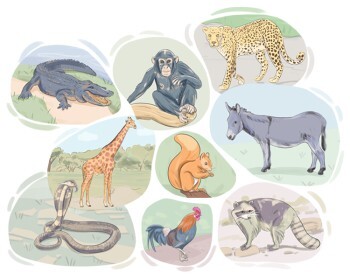
混合, ミックス

Ex: The neighborhood has an interesting mix of old and new buildings. 
species
species
[名詞]

a group that animals, plants, etc. of the same type which are capable of producing healthy offspring with each other are divided into

種, 種々

種, 種々

Ex: The Galapagos finches are a classic example of how different species can evolve from a common ancestor. 

ガラパゴスフィンチは、異なる種が共通の祖先からどのように進化できるかの古典的な例です。

typical
typical
[形容詞]

representing the usual characteristics of a person, thing, or group

典型的な, 特徴的な

典型的な, 特徴的な

Ex: His punctuality is typical of a professional. 

彼の時間厳守はプロフェッショナルの典型的な特徴です。

ecosystem
ecosystem
[名詞]

a community of living organisms together with their physical environment, interacting as a system

生態系, 生態システム

生態系, 生態システム

Ex: Coral reefs are diverse ecosystems that support a wide range of marine life. 

サンゴ礁は、多様な海洋生物を支える多様な生態系です。

rare
rare
[形容詞]

found only in small numbers so considered interesting or valuable

珍しい, 貴重な
珍しい, 貴重な

Ex: The museum displayed rare artifacts from ancient civilizations, each considered priceless due to their scarcity. 
endangered
endangered
[形容詞]

(of an animal, plant, etc.) being at risk of extinction

絶滅危惧種の

絶滅危惧種の

Ex: The endangered sea turtle population is declining rapidly due to pollution and habitat destruction. 

汚染と生息地の破壊により、絶滅の危機に瀕しているウミガメの個体数が急速に減少しています。

non-native
non-native
[形容詞]

(of plants or animals) not originally from the region or environment where they are found, often introduced from other areas

非在来の, 外来の

非在来の, 外来の

Ex: The garden is filled with non-native plants that thrive in this climate. 

庭は、この気候で繁茂する外来植物でいっぱいです。

invasive
invasive
[形容詞]

aggressively intruding or spreading into a space or situation where something is unwelcome or harmful

侵略的な, 侵入的な

侵略的な, 侵入的な

Ex: The invasive species of plants rapidly overtook the native vegetation. 

侵略的な植物種は急速に在来の植生を駆逐した。

significant
significant
[形容詞]

important or great enough to be noticed or have an impact

重要な, 意義深い

重要な, 意義深い

Ex: The discovery of the ancient artifact was significant for understanding the region's history. 

古代遺物の発見は、地域の歴史を理解する上で重要でした。

contributor
contributor
[名詞]

a factor that helps to make something happen

貢献者, 寄与要因

貢献者, 寄与要因

Ex: Regular exercise is a significant contributor to overall health and well-being. 

定期的な運動は、全体的な健康と幸福に大きく貢献する要因です。

global
global
[形容詞]

regarding or affecting the entire world

グローバル, 世界的

グローバル, 世界的

Ex: The pandemic has had a global impact on public health, economies, and daily life. 

パンデミックは、公衆衛生、経済、日常生活に世界的な影響を与えました。

biodiversity
biodiversity
[名詞]

the existence of a range of different plants and animals in a natural environment

生物多様性, バイオダイバーシティ

生物多様性, バイオダイバーシティ

Ex: The rainforest is known for its rich biodiversity, housing countless species of flora and fauna. 

熱帯雨林はその豊かな生物多様性で知られ、無数の動植物の種を宿しています。

crisis
crisis
[名詞]

a situation in which one must deal with serious problems or make some important decisions

危機, 重大な状況

危機, 重大な状況

Ex: She faced a crisis when she had to choose between two difficult options. 
competition
competition
[名詞]

the rivalry between two or more organisms or species, as they actively compete for a scarce environmental resource

競争,  ライバル関係

競争, ライバル関係

Ex: Competition for food becomes stronger when resources are scarce. 
to threaten
to threaten
[動詞]

to indicate a potential danger or risk to someone or something

脅す, 脅威を与える

脅す, 脅威を与える

Ex: His aggressive behavior began to threaten the safety of those around him. 
survival
survival
[名詞]

the process by which organisms best adapted to their environment continue to exist while others die out

生存, 存続

生存, 存続

Ex: Predation affects the survival of weaker individuals in the population. 
to restore
to restore
[動詞]

to bring something back into existence or operation, especially after a period of inactivity or decline

復旧する, 修復する
復旧する, 修復する

Ex: Conservationists are working hard to restore the population of endangered species in the wild. 
to maximize
to maximize
[動詞]

to increase something to the highest possible level

最大化する, 最適化する

最大化する, 最適化する

Ex: She always tries to maximize her productivity by planning her tasks efficiently. 

彼女は常にタスクを効率的に計画することで、生産性を最大化しようとします。

ideally
ideally
[副詞]

used to express a situation or condition that is most desirable

理想的には

理想的には

Ex: Ideally, a balanced diet includes a variety of fruits, vegetables, proteins, and whole grains. 

理想的には、バランスの取れた食事には、さまざまな果物、野菜、タンパク質、全粒穀物が含まれます。

conservation
conservation
[名詞]

the protection of the natural environment and resources from wasteful human activities

保存, 保護

保存, 保護

Ex: The conservation of forests plays a key role in maintaining global biodiversity. 
availability
availability
[名詞]

the state of being available for use, purchase, access, or other purposes

可用性,  入手可能性

可用性, 入手可能性

Ex: The availability of affordable housing remains a major concern. 
to maintain
to maintain
[動詞]

to make something stay in the same state or condition

維持する, 保つ

維持する, 保つ

Ex: The janitor regularly maintains cleanliness in the office by cleaning and organizing. 

管理人 は掃除や整理整頓をすることで、オフィスの清潔さを定期的に維持します。

stability
stability
[名詞]

the quality of continuing without significant change or variation over time

安定,  安定性
安定, 安定性

Ex: The agreement brought greater stability to prices. 
soil
soil
[名詞]

the black or brownish substance consisted of organic remains, rock particles, and clay that forms the upper layer of earth where trees or other plants grow

土, 土壌

土, 土壌

Ex: The forest floor was covered in a thick layer of fertile soil. 
whilst
whilst
[接続詞]

during the time that something else is happening

一方で, 間に

一方で, 間に

Ex: She read a book whilst waiting for the train. 

彼女は電車を待っている間に本を読んだ。

harm
harm
[名詞]

the act of inflicting injury, damage, or loss on someone or something

危害, 損害

危害, 損害

Ex: Safety regulations aim to prevent harm to workers. 
vulnerable
vulnerable
[形容詞]

able to be physically harmed or wounded

傷つきやすい, 無防備な

傷つきやすい, 無防備な

Ex: The baby birds in the nest were vulnerable to predators until they learned to fly. 

巣の中のひな鳥は、飛ぶことを覚えるまで捕食者に対して脆弱でした。

sign
sign
[名詞]

a fundamental unit of language linking a signifier to what it signifies

記号, シンボル

記号, シンボル

Ex: Written symbols function as linguistic signs. 
highly
highly
[副詞]

in a favorable or approving manner

非常に, 大変

非常に, 大変

Ex: He was highly regarded by his peers for his honesty and leadership. 

彼は正直さとリーダーシップで同僚から高く評価されていた。

scheme
scheme
[名詞]

an organized and carefully planned course of action

計画, プロジェクト

計画, プロジェクト

Ex: His scheme to reduce costs succeeded. 
carbon capture

the process of collecting carbon dioxide gas from places like power plants or factories and storing it safely so that it does not enter the air and cause more global warming

炭素回収, 炭素捕捉

炭素回収, 炭素捕捉

Ex: Carbon capture can help slow down climate change. 

炭素回収は気候変動を遅らせるのに役立つことができます。

landscape
landscape
[名詞]

an area of scenery visible in a single view

風景, パノラマ

風景, パノラマ

Ex: Autumn colors transformed the countryside landscape. 
LanGeek
LanGeekアプリをダウンロード