Cambridge IELTS 19 - Academic - Test 4 - Listening - Part 4 (1)

Here you can find the vocabulary from Test 4 - Listening - Part 4 (1) in the Cambridge IELTS 19 - Academic coursebook, to help you prepare for your IELTS exam.

review-disable

review

flashcard-disable

flashcard

spelling-disable

spelling

quiz-disable

quiz

start-learning
Cambridge IELTS 19 - Academic
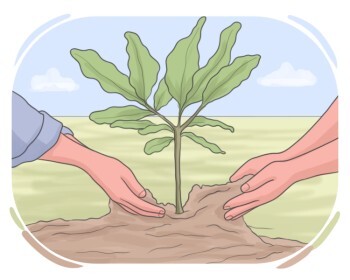
to plant [verb]

to put a seed, plant, etc. in the ground to grow

Ex: The children were excited to plant pumpkin seeds and watch them grow .

to be more numerous, powerful, or significant than everything else around it

Ex: The new product dominated sales , outpacing all its competitors .
agenda [noun]

a list of things that need to be considered, solved, or done
Ex: The committee prepared a detailed agenda for the annual meeting .

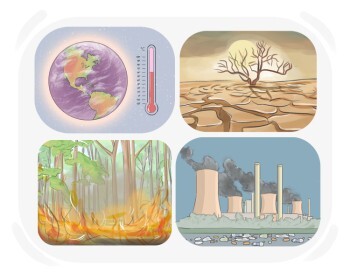
an urgent situation in which proper action must be taken to remove the threats done to the environment
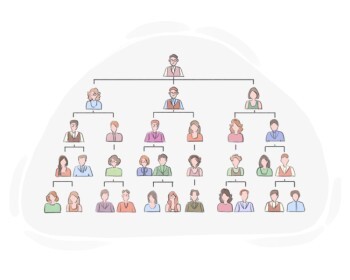
a company or group of people that are considered as a single unit by law
Ex: The corporation 's annual report highlighted significant growth in revenue .

to compensate for the effects of something through appropriate actions or measures

Ex: The company implemented cost-saving measures to offset financial losses .

the release of carbon dioxide into the atmosphere, primarily from burning fossil fuels, industrial processes, and etc.
Ex: Transportation is a major source of carbon emissions worldwide .

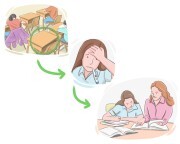
used to express regret or say that something is disappointing or sad
Ex: Unfortunately , the concert was canceled at the last minute , disappointing fans who had eagerly anticipated the event .
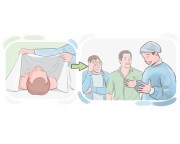
straightforward [adjective]

easy to comprehend or perform without any difficulties
Ex: The process for renewing your driver 's license is straightforward ; you just need to fill out a form and pay a fee .

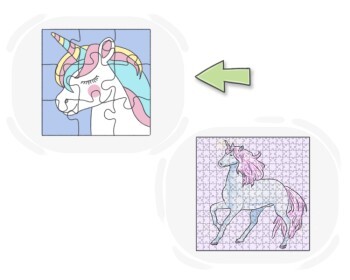
by a significant amount or to a significant extent

Ex: Her skills have improved considerably since the training .

the process of replanting trees in an area where forest cover has been depleted or removed, aiming to restore or create a forest ecosystem

Ex: Environmental organizations are actively involved in promoting reforestation projects to combat climate change .

to take responsibility for something and start to do it

Ex: Entrepreneurs often undertake the challenge of launching and managing their own businesses .
scale [noun]

the size, amount, or degree of one thing compared with another
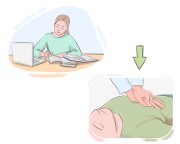
Ex: The scale of the forest fire was beyond anything the firefighters had ever encountered .
crucial [adjective]

having great importance, often having a significant impact on the outcome of a situation

Ex: Following safety protocols is crucial in high-risk environments .

to choose someone or something from a group of people or things
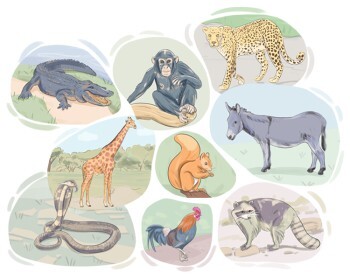
Ex: Last week , the jury selected a foreperson to lead the deliberations .
mix [noun]

an event that combines things in a mixture

species [noun]

a group that animals, plants, etc. of the same type which are capable of producing healthy offspring with each other are divided into

Ex: The red wolf is a species of wolf that is native to the southeastern United States .
typical [adjective]

representing the usual characteristics of a person, thing, or group

Ex: Her enthusiasm for learning is typical of students who excel .

a community of living organisms together with their physical environment, interacting as a system

Ex: Human activities like deforestation can disrupt fragile ecosystems and lead to biodiversity loss .
rare [adjective]

found only in small numbers so considered interesting or valuable
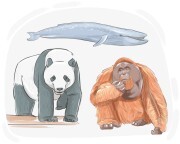
Ex: His collection of rare stamps is valued highly because many of them are no longer in circulation .
endangered [adjective]

(of an animal, plant, etc.) being at risk of extinction

Ex:
non-native [adjective]

(of plants or animals) not originally from the region or environment where they are found, often introduced from other areas

Ex: The forest is struggling with the spread of non-native plants , which outcompete the native flora .
invasive [adjective]

aggressively intruding or spreading into a space or situation where something is unwelcome or harmful

Ex: The invasive advertising tactics bombarded consumers with unwanted messages .
significant [adjective]

important or great enough to be noticed or have an impact

Ex: The new policy had a significant impact on improving workplace productivity .

a factor that helps to make something happen

Ex: Healthy eating habits are important contributors to weight management .
global [adjective]

regarding or affecting the entire world

Ex: The company operates on a global scale , with offices and operations in multiple countries .

the existence of a range of different plants and animals in a natural environment

Ex: The loss of biodiversity due to deforestation has significant impacts on global climate patterns .
crisis [noun]

a situation in which one must deal with serious problems or make some important decisions

the rivalry between two or more organisms or species, as they actively compete for a scarce environmental resource

to indicate a potential danger or risk to someone or something

Ex: The predator 's presence in the area threatened the smaller animals .
survival [noun]

the process by which organisms best adapted to their environment continue to exist while others die out

Ex: Evolution relies on the survival of species suited to changing conditions .

to bring something back into existence or operation, especially after a period of inactivity or decline
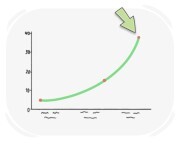
Ex: The government 's initiative aims to restore confidence in the economy through strategic investments .

to increase something to the highest possible level

Ex: The changes implemented have maximized the software 's performance .
ideally [adverb]

used to express a situation or condition that is most desirable

Ex: In a healthy relationship , ideally , both partners share mutual respect and open communication .

the protection of the natural environment and resources from wasteful human activities

Ex:

the state of being able to be used, obtained, or accessed

Ex: The availability of new technology has greatly improved communication .

to make something stay in the same state or condition
Ex: Last month , he maintained the garden by trimming the hedges and watering the plants .

the quality of being enduring and free from change or variation

soil [noun]

the black or brownish substance consisted of organic remains, rock particles, and clay that forms the upper layer of earth where trees or other plants grow

Ex: Heavy rains can cause the soil to erode , affecting crop yields .
whilst [conjunction]

during the time that something else is happening

Ex: The children played outside whilst their parents talked inside .
harm [noun]

the act of inflicting injury, damage, or loss on someone or something

Ex:
vulnerable [adjective]

able to be physically harmed or wounded

Ex: The coastal town is vulnerable to hurricanes .
sign [noun]

a fundamental unit of language linking a signifier to what it signifies

Ex: Linguists analyze how signs operate in language systems .
highly [adverb]

in a favorable or approving manner

Ex: Her proposal is highly recommended by the board .
scheme [noun]

an organized and carefully planned course of action

Ex:

the process of collecting carbon dioxide gas from places like power plants or factories and storing it safely so that it does not enter the air and cause more global warming

Ex: Scientists are finding better ways to improve carbon capture .

an area of scenery visible in a single view

Ex: The photographer captured the desert landscape in detail .
Cambridge IELTS 19 - Academic
Test 1 - Listening - Part 1 Test 1 - Listening - Part 2 Test 1 - Listening - Part 3 (1) Test 1 - Listening - Part 3 (2)
Test 1 - Listening - Part 4 (1) Test 1 - Listening - Part 4 (2) Test 1 - Reading - Passage 1 (1) Test 1 - Reading - Passage 1 (2)
Test 1 - Reading - Passage 2 (1) Test 1 - Reading - Passage 2 (2) Test 1 - Reading - Passage 2 (3) Test 1 - Reading - Passage 3 (1)
Test 1 - Reading - Passage 3 (2) Test 1 - Reading - Passage 3 (3) Test 2 - Listening - Part 1 Test 2 - Listening - Part 2 (1)
Test 2 - Listening - Part 2 (2) Test 2 - Listening - Part 3 (1) Test 2 - Listening - Part 3 (2) Test 2 - Listening - Part 4 (1)
Test 2 - Listening - Part 4 (2) Test 2 - Reading - Passage 1 (1) Test 2 - Reading - Passage 1 (2) Test 2 - Reading - Passage 1 (3)
Test 2 - Reading - Passage 2 (1) Test 2 - Reading - Passage 2 (2) Test 2 - Reading - Passage 2 (3) Test 2 - Reading - Passage 3 (1)
Test 2 - Reading - Passage 3 (2) Test 2 - Reading - Passage 3 (3) Test 3 - Listening - Part 1 Test 3 - Listening - Part 2 (1)
Test 3 - Listening - Part 2 (2) Test 3 - Listening - Part 3 (1) Test 3 - Listening - Part 3 (2) Test 3 - Listening - Part 4 (1)
Test 3 - Listening - Part 4 (2) Test 3 - Reading - Passage 1 (1) Test 3 - Reading - Passage 1 (2) Test 3 - Reading - Passage 1 (3)
Test 3 - Reading - Passage 2 (1) Test 3 - Reading - Passage 2 (2) Test 3 - Reading - Passage 2 (3) Test 3 - Reading - Passage 3 (1)
Test 3 - Reading - Passage 3 (2) Test 3 - Reading - Passage 3 (3) Test 3 - Reading - Passage 3 (4) Test 4 - Listening - Part 1 (1)
Test 4 - Listening - Part 1 (2) Test 4 - Listening - Part 2 (1) Test 4 - Listening - Part 2 (2) Test 4 - Listening - Part 3 (1)
Test 4 - Listening - Part 3 (2) Test 4 - Listening - Part 4 (1) Test 4 - Listening - Part 4 (2) Test 4 - Listening - Part 4 (3)
Test 4 - Reading - Passage 1 (1) Test 4 - Reading - Passage 1 (2) Test 4 - Reading - Passage 1 (3) Test 4 - Reading - Passage 2 (1)
Test 4 - Reading - Passage 2 (2) Test 4 - Reading - Passage 2 (3) Test 4 - Reading - Passage 2 (4) Test 4 - Reading - Passage 3 (1)
Test 4 - Reading - Passage 3 (2) Test 4 - Reading - Passage 3 (3) Test 4 - Reading - Passage 3 (4)