pattern

B1 수준 단어 목록 - 추상적 개념

여기에서 B1 학습자를 위해 준비된 "태도", "이론", "옵션" 등과 같은 추상적인 개념에 관한 몇 가지 영어 단어를 배우게 됩니다.

리뷰

플래시카드

철자법

퀴즈

학습 시작
CEFR B1 Vocabulary
content
content
[명사]

(usually plural) the things that are held, included, or contained within something

내용, 내용물

내용, 내용물

Ex: She emptied the contents of her bag onto the table. 
닫기
로그인
situation
situation
[명사]

the way things are or have been at a certain time or place

상황, 상태

상황, 상태

Ex: The current economic situation is causing concern among investors and policymakers alike. 
닫기
로그인
attitude
attitude
[명사]

the typical way a person thinks or feels about something or someone, often affecting their behavior and decisions

태도,  사고방식

태도, 사고방식

Ex: Her positive attitude towards challenges helped her overcome obstacles and achieve her goals. 
닫기
로그인
impression
impression
[명사]

an opinion or feeling that one has about someone or something, particularly one formed unconsciously

인상

인상

Ex: Her cheerful demeanor gave me the impression that she was always happy. 
닫기
로그인
point
point
[명사]

the most important thing that is said or done which highlights the purpose of something

점, 주요 아이디어

점, 주요 아이디어

Ex: The professor made a crucial point about the importance of environmental conservation. 
닫기
로그인
theory
theory
[명사]

a set of ideas intended to explain the reason behind the existence or occurrence of something

이론, 가설

이론, 가설

Ex: Scientists proposed a new theory to explain the origins of the universe. 
닫기
로그인
thinking
thinking
[명사]

the activity or process of carefully considering something in one's mind

사고, 생각

사고, 생각

Ex: Critical thinking is essential for evaluating information and making informed decisions in both personal and professional contexts. 
닫기
로그인
choice
choice
[명사]

the number of different things or people that one can pick from

선택, 옵션

선택, 옵션

Ex: With so many choices available, consumers often struggle to pick one that aligns with their preferences and needs. 
닫기
로그인
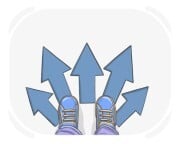
option
option
[명사]

something that can or may be chosen from a number of alternatives

옵션,  선택

옵션, 선택

Ex: You have the option to choose between different colors for your new car. 
닫기
로그인
ignorance
ignorance
[명사]

the fact or state of not having the necessary information, knowledge, or understanding of something

무지

무지

Ex: His ignorance of the subject was evident when he gave incorrect answers during the discussion. 
닫기
로그인
doubt
doubt
[명사]

a feeling of disbelief or uncertainty about something

의심, 불확실성

의심, 불확실성

Ex: Doubt crept into her mind as she pondered the possibility of failure. 
닫기
로그인
possibility
possibility
[명사]

something that one can choose or do among many other things

선택, 대안

선택, 대안

Ex: Exploring different possibilities can help individuals discover new opportunities and perspectives. 
닫기
로그인
concept
concept
[명사]

a principle or idea that is abstract

개념, 아이디어

개념, 아이디어

닫기
로그인
prediction
prediction
[명사]

a statement made about the likelihood of something happening in the future

예측, 예언

예측, 예언

닫기
로그인
truth
truth
[명사]

the true principles or facts about something, in contrast to what is imagined or thought

진실, 현실

진실, 현실

Ex: Scientific research aims to uncover the truth by analyzing evidence and data. 
닫기
로그인
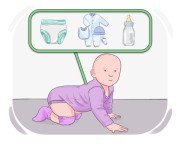
need
need
[명사]

(usually plural) a set of things that allow someone to achieve their goal or live comfortably

필요, 필수품

필요, 필수품

Ex: Food, shelter, and clothing are basic needs for human survival. 
닫기
로그인
permission
permission
[명사]

the action of allowing someone to do a particular thing or letting something happen, particularly in an official way

허가, 승인

허가, 승인

Ex: Before accessing the restricted area, employees must obtain permission from their supervisor. 
닫기
로그인
help
help
[명사]

anything that is done to make a task or process easier or less difficult for someone

도움, 지원

도움, 지원

Ex: Offering guidance and support can be a great help to those navigating unfamiliar situations. 
닫기
로그인
to [make] sure

to take steps to confirm if something is correct, safe, or properly arranged

Ex: Before leaving the house, make sure you turn off all the lights and lock the doors. 
닫기
로그인
no way
no way
[]

used to indicate that something is impossible, unacceptable, or absolutely will not happen under any conditions
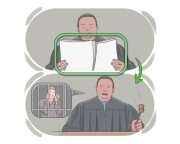
절대 안 돼, 말도 안 돼

절대 안 돼, 말도 안 돼

Ex: No way am I signing that contract without a lawyer. 
닫기
로그인
evidence
evidence
[명사]

anything that proves the truth or possibility of something, such as facts, objects, or signs

증거, 증명

증거, 증명

Ex: The prosecution presented compelling evidence, including DNA analysis and eyewitness testimony, to support their case. 
닫기
로그인
gap
gap
[명사]

a difference, particularly an unwanted one, causing separation between two people, situations, or opinions

격차, 간격

격차, 간격

Ex: The gap in understanding between the two generations often leads to disagreements. 
닫기
로그인
in favor
in favor
[전치사]

used to show support for or agreement with someone or something

찬성하여, 를 위해

찬성하여, 를 위해

Ex: The majority of the board members were in favor of the proposed budget increase. 
닫기
로그인
sorry
sorry
[형용사]

feeling ashamed or apologetic about something that one has or has not done

미안한, 후회하는

미안한, 후회하는

Ex: He felt sorry for forgetting his friend's birthday and apologized immediately. 
닫기
로그인
unless
unless
[접속사]

used to say that something depends on something else to happen or be true

하지 않으면,  -하지 않는 한

하지 않으면, -하지 않는 한

Ex: You won't pass the exam unless you study hard. 
닫기
로그인
to point out
to point out
[동사]

to show something to someone by pointing one's finger toward it

가리키다, 지적하다

가리키다, 지적하다

Ex: He pointed out the star constellation to his children. 
닫기
로그인
comparison
comparison
[명사]

the process of examining the similarities and differences between two or more things or people

비교

비교

Ex: The comparison between the two books showed many similarities. 
닫기
로그인
concern
concern
[명사]

a subject of significance or interest to someone or something

우려, 관심

우려, 관심

Ex: Environmental issues are a major concern for many people. 
닫기
로그인
growth
growth
[명사]

an increase in the amount, degree, importance, or size of something

성장, 확장

성장, 확장

Ex: The growth of the economy has been impressive this year. 
닫기
로그인
dream
dream
[명사]

a series of images, feelings, or events happening in one's mind during sleep

꿈

Ex: She had a vivid dream about flying over mountains. 
닫기
로그인
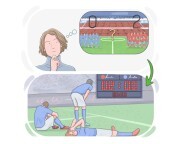
nightmare
nightmare
[명사]

a very scary, unpleasant, or disturbing dream

악몽, 무서운 꿈

악몽, 무서운 꿈

Ex: The horror movie I watched last night gave me nightmares. 
닫기
로그인
offer
offer
[명사]

the action of presenting something verbally
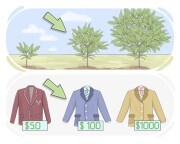
제안, 제의

제안, 제의

Ex: His offer of apology sounded sincere. 
닫기
로그인
sort of {~noun}
sort of
[부사]

to a degree or extent that is unclear

조금, 어느 정도

조금, 어느 정도

Ex: The movie was entertaining, but I sort of expected a more engaging storyline. 
닫기
로그인
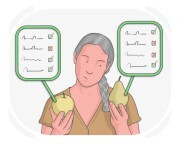
difference
difference
[명사]

the way that two or more people or things are different from each other

차이

차이

Ex: Can you explain the difference between these two models of smartphones? 
닫기
로그인
series
series
[명사]

a group of similar events, things, or people coming one after the other

시리즈, 연속

시리즈, 연속

Ex: The detective uncovered a series of clues that led to the identity of the culprit. 
닫기
로그인
possession
possession
[명사]

the fact of owning or having something

소유, 소유권

소유, 소유권

Ex: The company's possession of the patents ensured their exclusive rights to the technology. 
닫기
로그인
defense
defense
[명사]

protection against harm or danger

방어, 보호

방어, 보호

Ex: Wearing a helmet provides defense against head injuries. 
닫기
로그인
middle
middle
[명사]

the part, position, or point of something that has an equal distance from the edges or sides

중간, 중심

중간, 중심

Ex: She placed the cake in the middle of the table for everyone to see. 
닫기
로그인
boundary
boundary
[명사]

a limit that defines distinctions or separations between particular elements, such as ideas, cultures, or rules

경계, 한계

경계, 한계

Ex: Setting clear boundaries is essential for maintaining healthy relationships and respecting individual autonomy. 
닫기
로그인
feeling
feeling
[명사]

an emotional state or sensation that one experiences such as happiness, guilt, sadness, etc.

감정

감정

Ex: The feeling of warmth from the sun on her skin filled her with comfort and contentment. 
닫기
로그인
plus
plus
[전치사]

used to introduce an additional fact, feature, or point

게다가, 플러스

게다가, 플러스

Ex: The weather was beautiful, plus there were free ice cream samples at the park. 
닫기
로그인
promise
promise
[명사]

a statement used to mean that one will definitely do a specific thing or something will no doubt happen

약속, 서약

약속, 서약

Ex: She made a promise to her friend that she would always be there for them, no matter what. 
닫기
로그인
LanGeek
LanGeek 앱 다운로드