
Słownictwo do IELTS Academic (Wynik 5) - Zwierzęta
Tutaj nauczysz się kilku angielskich słów związanych ze zwierzętami, które są niezbędne do podstawowego akademickiego egzaminu IELTS.
Przegląd
Fiszki
Pisownia
Test
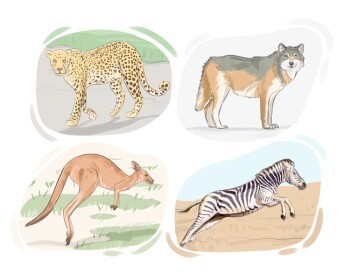
a class of animals to which humans, cows, lions, etc. belong, have warm blood, fur or hair and typically produce milk to feed their young

ssak, zwierzę ssące
Wieloryby, delfiny i morświny to wszystkie przykłady morskich ssaków.
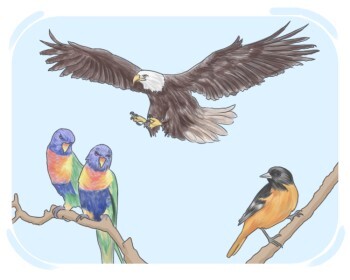
an animal with a beak, wings, and feathers that is usually capable of flying
ptak, ptak
Kolorowy ptak latał wysoko na niebie.
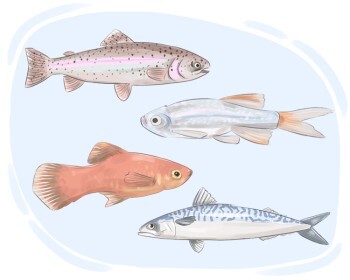
an animal with a tail, gills and fins that lives in water
ryba, ryba
Złota rybka w misce pływała radośnie.
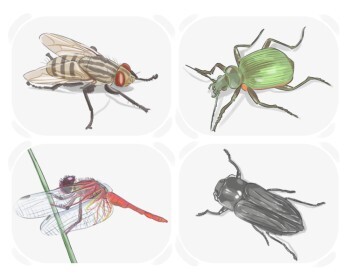
a small creature such as a bee or ant that has six legs, and generally one or two pairs of wings
owad, robak
Sarah była zachwycona skomplikowanymi wzorami na skrzydłach owada.
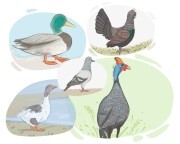
an animal that is hunted and eaten by another animal
zdobycz, ofiara
Jelenie są powszechną zdobyczą dla wilków w lesie.
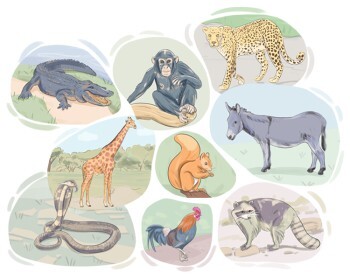
a group that animals, plants, etc. of the same type which are capable of producing healthy offspring with each other are divided into
gatunek, gatunki
Pies domowy to gatunek z rodzaju Canis, który był selekcjonowany przez ludzi przez tysiące lat.
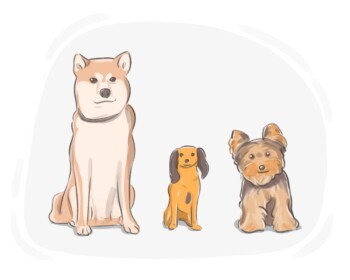
a particular type of animal or plant that has typically been domesticated by people in a certain way
rasa, gatunek
Rasa kota syjamskiego jest rozpoznawana ze względu na uderzające niebieskie oczy i gadatliwą naturę.
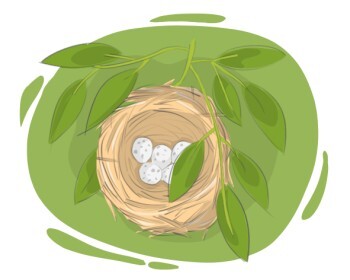
a structure that a bird makes for laying eggs or keeping the hatchlings in
gniazdo, ptasie gniazdo
Niektóre ptaki ponownie używają tego samego gniazda każdego roku, dodając nowe materiały.
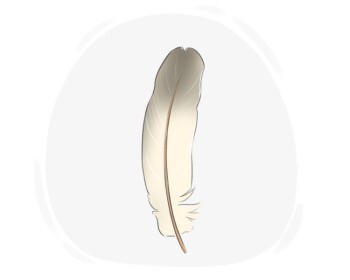
any of the light and soft parts covering the body of a bird
pióro, puch
Poduszka była wypełniona miękkimi gęsimi piórami, zapewniając wygodne miejsce do odpoczynku.
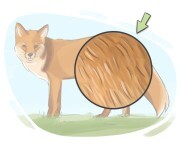
the thick, soft hair that grows on the body of some animals such as cats, dogs, etc.
futro, sierść
Jego płaszcz był pokryty kocim futrem po przytulaniu się do swojego zwierzaka.
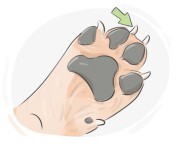
a sharp and curved nail on the toe of an animal or a bird
pazur, szpon
Pazury niedźwiedzia pozostawiły głębokie ślady w korze drzewa.
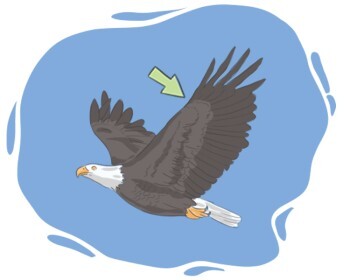
any of the two parts of the body of a bird, insect, etc. used for flying
skrzydło, pióro
Owady, takie jak pszczoły i ważki, mają przezroczyste skrzydła.
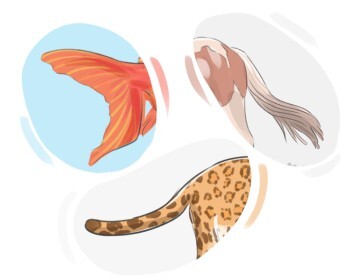
the part of the body of an animal, a bird or a fish that sticks out at the back, which can move
ogon, ogon zwierzęcia
Ogon małpy pomaga jej huśtać się z drzewa na drzewo.
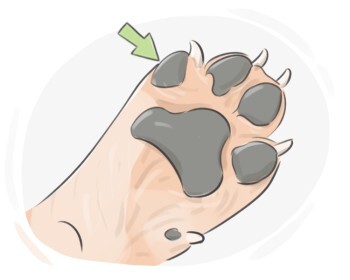
an animal's foot that typically has a combination of nails, claws, fur, and pads
łapa, stopa
Niedźwiedź użył swoich potężnych łap, aby otworzyć ul i dostać się do miodu w środku.
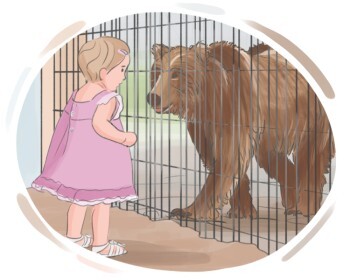
a place where many kinds of animals are kept for exhibition, breeding, and protection
zoo, ogród zoologiczny
Zoo ma duży wybieg, aby słonie mogły swobodnie wędrować.
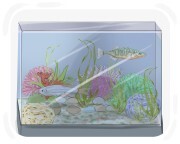
a large container usually made of glass that is filled with water in which fish and other sea creatures are kept
akwarium, zbiornik na ryby
Czyszczenie akwarium co miesiąc utrzymuje ryby w zdrowiu.
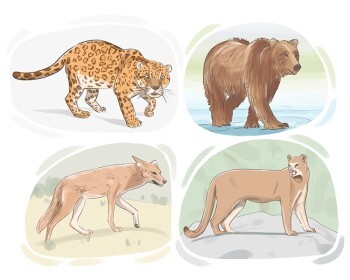
(of an animal or plant) living or growing in a natural state, without any human interference
dziki, naturalny
Safari pozwoliło nam zobaczyć dzikie słonie, zebry i żyrafy w ich naturalnym środowisku.
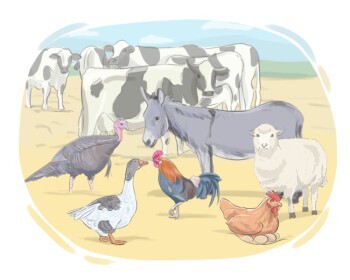
(of an animal) capable of living with humans, either on a farm or as a pet in a house
domowy, udomowiony
Zwierzęta domowe, takie jak psy i koty, często tworzą bliskie więzi ze swoimi ludzkimi właścicielami.

(of a bird or animal) Unable to fly
niezdolny do lotu, nielotny
Naukowcy badają, jak niektóre owady wyewoluowały w gatunki niezdolne do lotu.
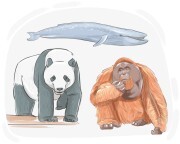
(of an animal, plant, etc.) being at risk of extinction
zagrożony wyginięciem
Naukowcy badają zachowanie zagrożonych gatunków, aby opracować skuteczne strategie ochrony.
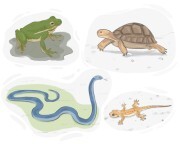
describing an animal that its body temperature changes depending on the temperature of its surroundings
zimnokrwisty, poikilotermiczny
Hibernując w chłodniejszych miesiącach, żaby, zimnowodne płazy, oszczędzają energię.
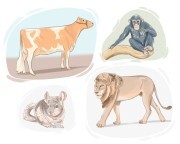
describing an animal that is able to maintain a higher body temperature than its surroundings
ciepłokrwisty, homeotermiczny
W zimną pogodę wróble, ptaki stałocieplne, nastroszą pióra, aby stworzyć izolacyjne warstwy dla ciepła.
