pattern

Zdrowie i Choroba - Ogólne czasowniki związane ze zdrowiem i chorobą

Tutaj nauczysz się niektórych ogólnych angielskich czasowników związanych ze zdrowiem i chorobą, takich jak "cierpieć", "wymiotować" i "nawracać".

Przegląd

Fiszki

formy

Pisownia

Test
Zacznij naukę
Words Related to Health and Sickness
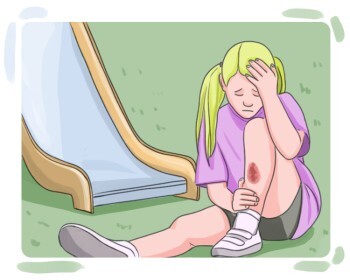
to injure
to injure
[Czasownik]

to cause physical harm or damage to a person or animal

ranić,  uszkodzić

ranić, uszkodzić

Ex: Daniel was injured during Saturday's soccer match. 
to metastasize
to metastasize
[Czasownik]

to spread or transfer cancer cells from the original site to other parts of the body, leading to the formation of new tumors

przerzutować, rozprzestrzeniać się

przerzutować, rozprzestrzeniać się

Ex: By the time of diagnosis, the disease will have metastasized extensively, making treatment more complex. 

W momencie diagnozy choroba będzie już przerzutowała szeroko, co utrudnia leczenie.

to succumb
to succumb
[Czasownik]

to die as a result of a disease or injury

ulec, zmarł z powodu

ulec, zmarł z powodu

Ex: The patient is succumbing to the disease despite the doctors' efforts. 

Pacjent ulega chorobie pomimo wysiłków lekarzy.
to suffer
to suffer
[Czasownik]

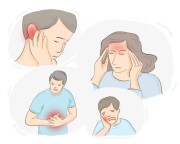
to have an illness or disease

cierpieć, chorować

cierpieć, chorować

Ex: The elderly man suffered from arthritis, finding it increasingly challenging to perform simple tasks like tying his shoes. 
to transfer
to transfer
[Czasownik]

to transmit a disease to another person or animal, which makes them infected with the same disease

przenosić, zarażać
przenosić, zarażać

Ex: Individuals who fail to follow proper hygiene practices may transfer the virus to their colleagues. 
to vomit
to vomit
[Czasownik]

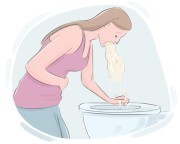
to eject what has been eaten or drunk through the mouth

wymiotować, zwracać

wymiotować, zwracać

Ex: After the roller coaster ride, some people vomited due to motion sickness. 

Po przejażdżce roller coasterem niektórzy ludzie wymiotowali z powodu choroby lokomocyjnej.
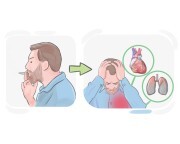
to aggravate
to aggravate
[Czasownik]

to make a problem, situation, or condition worse or more serious

pogarszać, zaostrzać

pogarszać, zaostrzać

Ex: Ignoring medication can aggravate the symptoms of a chronic illness. 

Ignorowanie leków może pogorszyć objawy przewlekłej choroby.
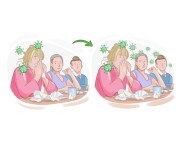
to catch
to catch
[Czasownik]

to get sick, usually with bacteria or a virus

złapać, zarazić się
złapać, zarazić się

Ex: Be careful around him; you don't want to catch the flu. 
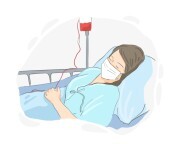
to contract
to contract
[Czasownik]

to get infected by a disease or virus

zarazić się, złapać
zarazić się, złapać

Ex: Despite taking precautions, he still contracted pneumonia after being exposed to the virus during flu season. 
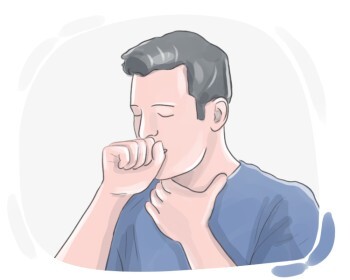
to cough
to cough
[Czasownik]

to force air suddenly out of the lungs through the throat with a short, sharp sound

kaszleć

kaszleć

Ex: She coughed loudly to get his attention. 
to develop
to develop
[Czasownik]

to start to have a particular disease or problem

rozwijać, zachorować na

rozwijać, zachorować na

Ex: Despite leading a healthy lifestyle, he developed high blood pressure in his late fifties. 
to ail
to ail
[Czasownik]

to make someone physically sick or to cause mental trouble

czynić chorym, sprawiać kłopoty

czynić chorym, sprawiać kłopoty

to [be] sick
to be sick
[Fraza]

to throw up the contents of the stomach, often due to illness or nausea

Ex: The rough ride on the roller coaster made some people be sick. 

Trzęsąca jazda na roller coasterze sprawiła, że niektórzy ludzie zwymiotowali.
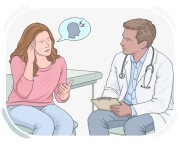
to complain of
to complain of
[Czasownik]

to state that one feels ill or one's body part is in pain

skarżyć się na, zgłaszać ból w

skarżyć się na, zgłaszać ból w

Ex: The residents gathered at the town hall meeting to complain of the worsening traffic congestion in their neighborhood. 
to dehydrate
to dehydrate
[Czasownik]

to lose a large amount of fluid through urinating, vomiting, or intense physical activity

odwadniać, odwodnić się

odwadniać, odwodnić się

Ex: Despite the hot weather, he neglected to drink enough water while working outside, leading him to dehydrate. 

Pomimo gorącej pogody, zaniedbał picie wystarczającej ilości wody podczas pracy na zewnątrz, co doprowadziło go do odwodnienia.

to lay up
to lay up
[Czasownik]

(of an illness or injury) to confine someone to bed

przykuć do łóżka, zmusić do leżenia w łóżku

przykuć do łóżka, zmusić do leżenia w łóżku

Ex: I'm laid up with a cold, so I can't come to work today. 

Jestem przykuty do łóżka przeziębieniem, więc nie mogę dziś przyjść do pracy.
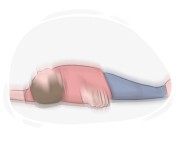
to pass out
to pass out
[Czasownik]

to lose consciousness

zemdleć, stracić przytomność

zemdleć, stracić przytomność

Ex: Without enough ventilation in the room, several people started to feel like they might pass out. 

Bez wystarczającej wentylacji w pomieszczeniu kilka osób zaczęło czuć, że mogą stracić przytomność.

to present
to present
[Czasownik]

to have or exhibit particular signs or symptoms during a medical check-up

prezentować, wykazywać

prezentować, wykazywać

Ex: The patient presents with a persistent cough and fever, indicating a possible respiratory infection. 
to relapse
to relapse
[Czasownik]

to become sick again after an improvement in one's health

nawrócić, doznać nawrotu
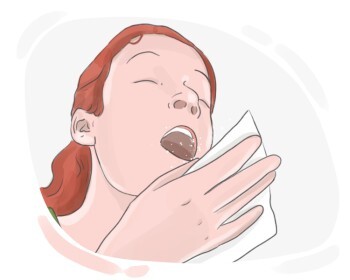
nawrócić, doznać nawrotu

to sneeze
to sneeze
[Czasownik]

to blow air out of our nose and mouth in a sudden way

kichać, kichnąć

kichać, kichnąć

Ex: She began to sneeze due to the dust in the room. 

Zaczęła kichać z powodu kurzu w pokoju.

to faint
to faint
[Czasownik]

to lose consciousness for a short time, especially because of heat, pain, shock, or weakness

zemdleć

zemdleć

Ex: He became dizzy and fainted in the hallway. 
Zdrowie i Choroba
Ogólne czasowniki związane z urazamiOgólne czasowniki związane ze zdrowiem i chorobą
LanGeek
Pobierz aplikację LanGeek