pattern

健康与疾病 - 与健康和疾病相关的一般动词

在这里,你将学习一些与健康和疾病相关的通用英语动词,如“受苦”、“呕吐”和“复发”。

复习

闪卡

拼写

测验

开始学习
Words Related to Health and Sickness
to injure
to injure
[动词]

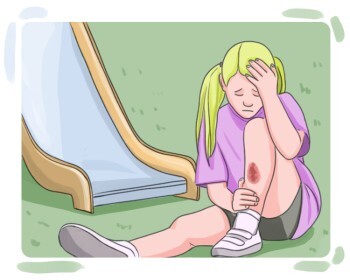
to cause physical harm or damage to a person or animal

伤害, 使受伤

伤害, 使受伤

Ex: Emma injured her ankle while running down the stairs. 
关闭
登录
to metastasize

to spread or transfer cancer cells from the original site to other parts of the body, leading to the formation of new tumors

转移,扩散

转移,扩散

Ex: The disease is currently metastasizing, posing a significant threat to the patient's health. 

该疾病目前正在转移,对患者的健康构成重大威胁。

关闭
登录
to succumb
to succumb
[动词]

to die as a result of a disease or injury

屈服,因...而死

屈服,因...而死

Ex: By the time the ambulance arrived, she had already succumbed to her injuries. 

救护车到达时,她已经因伤去世了。

关闭
登录
to suffer
to suffer
[动词]

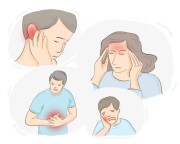
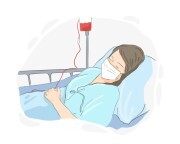
to have an illness or disease

受苦,患病

受苦,患病

Ex: As she watched her loved one suffer from cancer, she felt a deep sense of helplessness and despair. 

当她看着她所爱的人因癌症而受苦时,她感到一种深深的无助和绝望。

关闭
登录
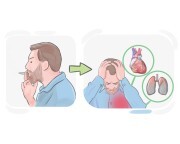
to transfer
to transfer
[动词]

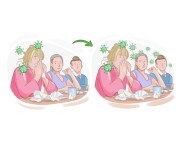
to pass a disease or infection from one person or animal to another
Ex: Parents are often concerned about children transferring respiratory infections within school environments. 
关闭
登录
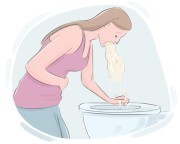
to vomit
to vomit
[动词]

to expel the contents of the stomach through the mouth
Ex: The patient often vomits as a side effect of the medication. 
关闭
登录
to aggravate
to aggravate
[动词]

to make a problem, situation, or condition worse or more serious

加重,恶化

加重,恶化

Ex: Their delay aggravated the traffic problem. 

他们的延误加剧了交通问题。

关闭
登录
to catch
to catch
[动词]

to get sick, usually with bacteria or a virus

感染,患上

感染,患上

Ex: The crowded train is a place where you can easily catch a cold. 

拥挤的火车是一个你可以很容易感冒的地方。

关闭
登录
to contract
to contract
[动词]

to get infected by a disease or virus

感染,染上

感染,染上

Ex: Despite efforts to prevent transmission, some individuals still contract hepatitis C. 

尽管努力防止传播,一些人仍然感染丙型肝炎。

关闭
登录
to cough
to cough
[动词]

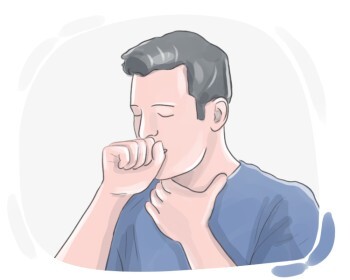
to force air suddenly out of the lungs through the throat with a short, sharp sound

咳嗽

咳嗽

Ex: Daniel covered his mouth when he coughed. 
关闭
登录
to develop
to develop
[动词]

to begin to have an illness, medical condition, or other problem

Ex: Long-term exposure to sunlight without protection caused her to develop skin cancer in her forties. 

长期无保护地暴露在阳光下导致她在四十多岁时患上了皮肤癌。

关闭
登录
to ail
to ail
[动词]

to make someone physically sick or to cause mental trouble

使生病,造成麻烦

使生病,造成麻烦

关闭
登录
to [be] sick
to be sick
[短语]

to bring food or liquid back up from the stomach and out through the mouth

Ex: The little boy started being sick in the back of the car. 
关闭
登录
to complain of

to state that one feels ill or one's body part is in pain

抱怨,诉说疼痛

抱怨,诉说疼痛

Ex: The customer called the helpline to complain of poor service received during their recent shopping experience. 

客户拨打帮助热线投诉最近购物体验中收到的糟糕服务。

关闭
登录
to dehydrate
to dehydrate
[动词]

to lose a large amount of fluid through urinating, vomiting, or intense physical activity

脱水,使脱水

脱水,使脱水

Ex: The athlete pushed herself to her limits during the intense training session, causing her to dehydrate rapidly. 

运动员在激烈的训练中将自己推到了极限,导致她迅速脱水。

关闭
登录
to lay up
to lay up
[动词]

to make someone unable to carry out their normal activities because of an illness or injury

使卧床不起, 使长期卧床
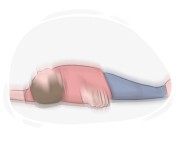
使卧床不起, 使长期卧床

Ex: She was laid up with a broken ankle throughout the summer. 
关闭
登录
to pass out
to pass out
[动词]

to lose consciousness

昏倒, 失去知觉

昏倒, 失去知觉

Ex: After standing for hours in the sun, he passed out from dehydration. 

在阳光下站了几个小时后,他因脱水而昏倒。

关闭
登录
to present
to present
[动词]

to have or exhibit particular signs or symptoms during a medical check-up

呈现,显示

呈现,显示

Ex: The newborn presents with jaundice, characterized by yellowing of the skin and eyes. 

新生儿呈现黄疸,其特征是皮肤和眼睛发黄。

关闭
登录
to relapse
to relapse
[动词]

to become sick again after an improvement in one's health

复发,病情复发

复发,病情复发

关闭
登录
to sneeze
to sneeze
[动词]

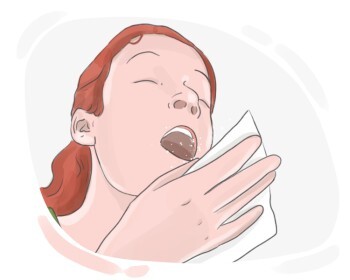
to blow air out of our nose and mouth in a sudden way

打喷嚏,发出喷嚏

打喷嚏,发出喷嚏

Ex: I sneeze uncontrollably when I have a cold. 

当我感冒时,我会无法控制地打喷嚏。

关闭
登录
to faint
to faint
[动词]

to lose consciousness for a short time, especially because of heat, pain, shock, or weakness

昏倒

昏倒

Ex: Daniel nearly fainted when he saw the injury. 
关闭
登录
健康与疾病
与伤害相关的一般动词与健康和疾病相关的一般动词
LanGeek
下载 LanGeek 应用