
Eșec - Defăimare și Nepopularitate
Explorează idiomurile englezești referitoare la defăimare și nepopularitate cu exemple precum "minune de nouă zile" și "cădere din grație".
Recapitulare
Fișe de studiu
Chestionar
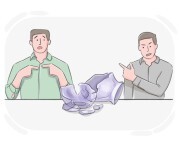
to make unfavorable remarks about someone

a-i păta numele, a defăima pe cineva
După despărțire, fosta parteneră i-a pătat numele.

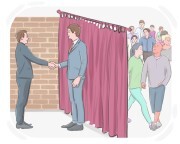
the action of publishing or spreading unpleasant details about someone's private life in order to negatively impact the public's opinion of them
informații compromițătoare, detalii murdare
Jurnalistul a susținut că are informații compromițătoare despre senator.
one's personal matters that if shared with others could make one embarrassed or ashamed
secrete rușinoase, rufe murdare
Familia nu voia ca secretele ei rușinoase să fie discutate în public.
something that receives a lot of attention for a short time, but is soon forgotten
senzație de moment, vâlvă trecătoare
Scandalul a fost doar o senzație de moment; după o săptămână nu mai vorbea nimeni despre el.
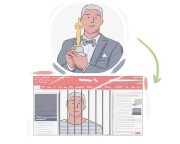
to lose favor, respect, or a position of high regard due to a significant mistake, scandal, or failure
a cădea în dizgrație, a-și pierde respectul
Actorul și-a pierdut rapid respectul după comentariile jignitoare.

to cause a loss of respect or reputation for a person or thing
a-i afecta reputația, a-i păta imaginea
Acuzațiile nu i-au afectat reputația.

to do something that causes others to have less respect for one
a-și pierde prestigiul, a se face de râs
Și-a pierdut prestigiul când a recunoscut că raportul era plin de greșeli.
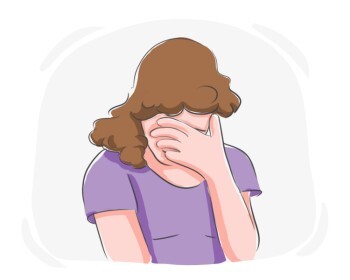
the state of losing all the respect others had for one because of one's actions
pierderea prestigiului, pierderea respectului
Scuzele publice au ajutat la reducerea pierderii prestigiului.
used when one says or does something that makes one disgraced or discredited
are reputația distrusă, e compromis
După ce a mințit clienții, reputația lui în companie a fost distrusă.

used to refer to something is not currently appropriate, popular, or available due to being outside of its usual time or season
în afara sezonului, nepotrivit ca moment
Discuția despre bonusuri a părut nepotrivită cât timp oamenii își pierdeau locurile de muncă.

to be subjected to disapproval, rejection, or criticism from others, often through booing
a fi huiduit, a primi dezaprobare
Comediantul a fost huiduit după ce a spus o glumă de prost gust.
to make a mistake that brings about a negative consequence
a-și strica imaginea, a-și păta parcursul
Și-a stricat imaginea ratând termenul-limită.
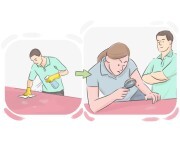
to find the flaws and weaknesses of something, like a plan, action, or idea
a găsi defecte, a scoate în evidență slăbiciunile
Comisia a găsit defecte în propunere înainte de a o aproba.
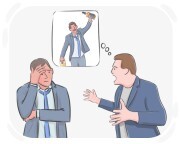
to make someone appear foolish or ridiculous in front of others
a face pe cineva de râs, a-l ridiculiza pe cineva
L-a făcut de râs pe colegul lui corectându-l cu voce tare la ședință.

to take a particular course of action that endangers one's reputation or position
a-și risca poziția, a-și pune reputația la bătaie
Și-a riscat poziția aprobând planul riscant.
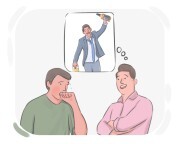
to behave in an embarrassing or foolish manner in front of other people, in a way that that makes them mock one
a se face de râs, a se ridiculiza
S-a făcut de râs țipând la chelner.

a negative perception of someone or something
imagine proastă, pată pe reputație
Scandalul a creat o imagine proastă companiei.

a mistake, wrongdoing, or unfavorable incident that damages someone's reputation, record, or standing and may negatively affect how others judge them
an embarrassing or disgraceful act, incident, or circumstance that damages someone's reputation, honor, or previously respectable record
a person or thing regarded as the most hated, unpopular, or strongly condemned within a particular group or society, especially because of perceived wrongdoing or harmful effects
a person who is no longer welcome or accepted within a particular group, organization, or community, especially because of their behavior, opinions, or actions
a deliberately harsh, malicious, or unfair attack on someone's reputation, work, or achievements, especially one that uses misleading accusations or distorted information to discredit them
the deliberate destruction or damaging of someone's reputation through false accusations, malicious criticism, or the distortion of their words, actions, or personal history
a planned and sustained effort to damage someone's reputation or credibility by spreading false, misleading, or deliberately damaging information about them

unfair criticism or blame
critică sau vină nedreaptă, reputație proastă nemeritată
Cântăreața a fost criticată pe nedrept pentru ceva ce nu făcuse.
no longer holding a position of power, influence, or public prominence, especially after losing political authority, popularity, or professional success
regarded unfavorably or with disapproval by a particular person or group, especially because of behavior that has damaged one's reputation or standing
to subject someone to severe public criticism, humiliation, or condemnation, especially as punishment for behavior considered unacceptable
the act of subjecting someone to harsh public criticism, humiliation, or condemnation, especially in response to perceived wrongdoing or failure
a word, subject, idea, or practice that is strongly disliked, rejected, or regarded as unacceptable within a particular group or society
to make damaging accusations or spread negative information about someone, especially in an attempt to harm their reputation or discredit them
to express criticism or disapproval indirectly by praising someone or something so weakly or unenthusiastically that the praise suggests a lack of real merit
to damage or destroy someone's good reputation by spreading accusations, negative stories, or other information that causes others to think badly of them
a secretive or indirect effort to damage someone's reputation by deliberately spreading harmful rumors, insinuations, or unverified accusations, especially without openly identifying those responsible
to deliberately influence someone's thoughts or feelings so that they develop distrust, hostility, or resentment toward another person or group, often by spreading misleading or negative information
to publicly identify and criticize individuals or organizations for engaging in inappropriate or unethical behavior in order to hold them accountable for their actions or punish them
the practice of publicly identifying and criticizing people or organizations for wrongdoing or unacceptable behavior, especially to expose them to disapproval, embarrassment, or pressure to change
a person, organization, or issue that attracts a great deal of criticism, anger, or controversy, often becoming the main target of public dissatisfaction
a person or group that is repeatedly blamed, criticized, or punished for the mistakes, failures, or problems of others, often unfairly
a person, event, idea, or subject that is no longer considered interesting, important, fashionable, or relevant, especially after previously attracting considerable attention
