
Neúspěch - Pomluva a Nepopularita
Prozkoumejte anglické idiomy týkající se pomluvy a neoblíbenosti s příklady, jako je "devítidenní zázrak" a "pád z milosti".
Revize
Kartičky
Kvíz
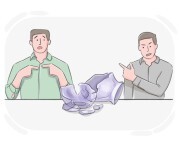
to make unfavorable remarks about someone

pošpinit něčí jméno, očernit někoho
Soupeřící tým se před volbami pokusil pošpinit jeho jméno.

the action of publishing or spreading unpleasant details about someone's private life in order to negatively impact the public's opinion of them
kompromitující informace, špína na někoho
Kampaň použila kompromitující informace na soupeře, aby ovlivnila veřejné mínění.
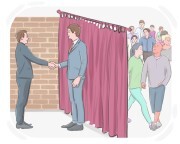
one's personal matters that if shared with others could make one embarrassed or ashamed
trapné soukromé věci, špinavé prádlo
Nikdo nechce, aby se jeho trapné soukromé věci vytahovaly před cizími lidmi.
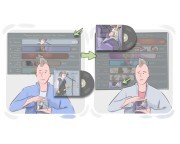
something that receives a lot of attention for a short time, but is soon forgotten
krátkodobá senzace, rychle zapomenutá novinka
Většina internetových trendů jsou jen krátkodobé senzace.
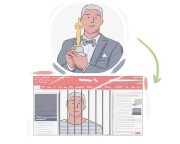
to lose favor, respect, or a position of high regard due to a significant mistake, scandal, or failure
ztratit přízeň, přijít o úctu
Ministr po korupčním skandálu ztratil přízeň veřejnosti.

to cause a loss of respect or reputation for a person or thing
poškodit pověst, pošramotit dobré jméno
Žádná kritika nedokázala poškodit její postavení v oboru.

to do something that causes others to have less respect for one
ztratit tvář, přijít o respekt
Změnili plán potichu, aby neztratili tvář.

the state of losing all the respect others had for one because of one's actions
ztráta tváře, ztráta respektu
Pro vůdce působilo přiznání chyby jako ztráta tváře.
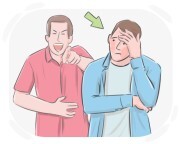
used when one says or does something that makes one disgraced or discredited
má po pověsti, je zdiskreditovaný
Říkal jsem ti, ať neobviňuješ stážisty; teď máš po pověsti.

used to refer to something is not currently appropriate, popular, or available due to being outside of its usual time or season
mimo sezónu, nevhodně načasované
Jeho vtip působil při tak vážné schůzce nevhodně.
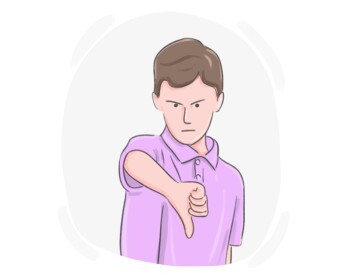
to be subjected to disapproval, rejection, or criticism from others, often through booing
vysloužit si bučení, sklidit nesouhlas
Nová politika si na schůzi vysloužila nesouhlas zaměstnanců.

to make a mistake that brings about a negative consequence
pokazit si pověst, udělat si škraloup
Nepokaz si pověst kvůli malé hádce.
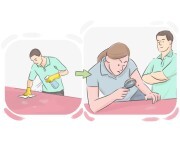
to find the flaws and weaknesses of something, like a plan, action, or idea
hledat chyby, vypíchnout slabiny
Editor v článku hledal chyby a požádal o přepracování.
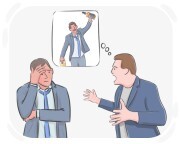
to make someone appear foolish or ridiculous in front of others
udělat z někoho hlupáka, zesměšnit někoho
Jeho sarkastická otázka zesměšnila řečníka.

to take a particular course of action that endangers one's reputation or position
riskovat vlastní krk, dát všanc svou pověst
Nikdo nechtěl riskovat vlastní krk kvůli nepopulárnímu rozhodnutí.

to behave in an embarrassing or foolish manner in front of other people, in a way that that makes them mock one
udělat ze sebe šaška, ztrapnit se
Chtěl na všechny udělat dojem, ale jen ze sebe udělal šaška.

a negative perception of someone or something
skvrna na pověsti, poškozený obraz
Ta chyba zanechala skvrnu na jeho jinak silném záznamu.

a mistake, wrongdoing, or unfavorable incident that damages someone's reputation, record, or standing and may negatively affect how others judge them
an embarrassing or disgraceful act, incident, or circumstance that damages someone's reputation, honor, or previously respectable record
a person or thing regarded as the most hated, unpopular, or strongly condemned within a particular group or society, especially because of perceived wrongdoing or harmful effects
a person who is no longer welcome or accepted within a particular group, organization, or community, especially because of their behavior, opinions, or actions
a deliberately harsh, malicious, or unfair attack on someone's reputation, work, or achievements, especially one that uses misleading accusations or distorted information to discredit them
the deliberate destruction or damaging of someone's reputation through false accusations, malicious criticism, or the distortion of their words, actions, or personal history
a planned and sustained effort to damage someone's reputation or credibility by spreading false, misleading, or deliberately damaging information about them

unfair criticism or blame
nespravedlivá kritika nebo vina, nezaslouženě špatná pověst
Ten film schytal nezaslouženou kritiku, ale mně připadal úžasný.
no longer holding a position of power, influence, or public prominence, especially after losing political authority, popularity, or professional success
regarded unfavorably or with disapproval by a particular person or group, especially because of behavior that has damaged one's reputation or standing
to subject someone to severe public criticism, humiliation, or condemnation, especially as punishment for behavior considered unacceptable
the act of subjecting someone to harsh public criticism, humiliation, or condemnation, especially in response to perceived wrongdoing or failure
a word, subject, idea, or practice that is strongly disliked, rejected, or regarded as unacceptable within a particular group or society
to make damaging accusations or spread negative information about someone, especially in an attempt to harm their reputation or discredit them
to express criticism or disapproval indirectly by praising someone or something so weakly or unenthusiastically that the praise suggests a lack of real merit
to damage or destroy someone's good reputation by spreading accusations, negative stories, or other information that causes others to think badly of them
a secretive or indirect effort to damage someone's reputation by deliberately spreading harmful rumors, insinuations, or unverified accusations, especially without openly identifying those responsible
to deliberately influence someone's thoughts or feelings so that they develop distrust, hostility, or resentment toward another person or group, often by spreading misleading or negative information
to publicly identify and criticize individuals or organizations for engaging in inappropriate or unethical behavior in order to hold them accountable for their actions or punish them
the practice of publicly identifying and criticizing people or organizations for wrongdoing or unacceptable behavior, especially to expose them to disapproval, embarrassment, or pressure to change
a person, organization, or issue that attracts a great deal of criticism, anger, or controversy, often becoming the main target of public dissatisfaction
a person or group that is repeatedly blamed, criticized, or punished for the mistakes, failures, or problems of others, often unfairly
a person, event, idea, or subject that is no longer considered interesting, important, fashionable, or relevant, especially after previously attracting considerable attention
