
شکست - تهمت و عدم محبوبیت
کشف اصطلاحات انگلیسی در مورد افترا و عدم محبوبیت با مثال هایی مانند "عجایب نه روزه" و "سقوط از لطف".
مرور
فلشکارتها
آزمون
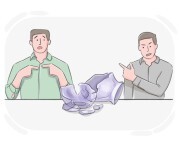
to make unfavorable remarks about someone

آبرو کسی را بردن, بدنام کردن
آن مقاله با چند اتهام تند، آبروی شهردار را برد.
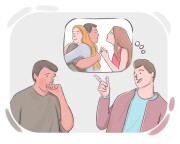
the action of publishing or spreading unpleasant details about someone's private life in order to negatively impact the public's opinion of them
آتو, نقطهضعف رو شده
قبل از انتخابات سعی کردند از او آتو پیدا کنند.
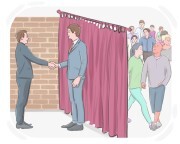
one's personal matters that if shared with others could make one embarrassed or ashamed
مسائل خصوصی و شرم آور, رازهای خصوصی شرمآور
عصبانی شد چون برادرش مسائل خصوصی و شرمآورشان را آنلاین مطرح کرد.
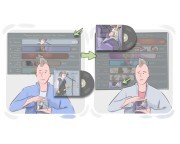
something that receives a lot of attention for a short time, but is soon forgotten
تب تند زودگذر, شهرت کوتاهمدت
همه اپلیکیشن را دانلود کردند، اما معلوم شد فقط تب تند زودگذر است.
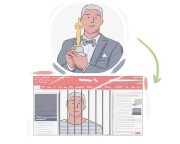
to lose favor, respect, or a position of high regard due to a significant mistake, scandal, or failure
بیارج و قرب شدن, از چشم افتادن
وقتی ضررهای شرکت علنی شد، مدیرعامل از چشم افتاد.
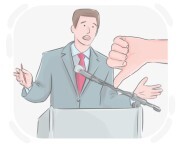
to cause a loss of respect or reputation for a person or thing
به اعتبار لطمه زدن, آبرو را خدشهدار کردن
کارزار رقیب تلاش کرد به اعتبارش لطمه بزند، اما رأیدهندگان همچنان به او اعتماد داشتند.

to do something that causes others to have less respect for one
آبرو از دست دادن, سرافکنده شدن
مدیر بعد از داد زدن سر کارمند اشتباهی آبرویش را از دست داد.
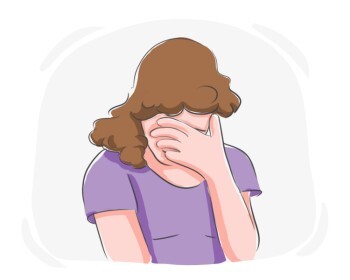
the state of losing all the respect others had for one because of one's actions
آبروریزی, از دست رفتن آبرو
ارائه ناموفق باعث آبروریزی جدی برای تیم شد.
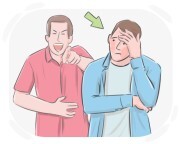
used when one says or does something that makes one disgraced or discredited
بدنام شدن, آبرویش رفتن
اگر آن قول را زیر پا بگذاری، بدنام میشوی.

used to refer to something is not currently appropriate, popular, or available due to being outside of its usual time or season
نابهنگام, بدموقع
وقتی مردم شغلشان را از دست میدادند، حرف زدن از پاداش بدموقع بود.
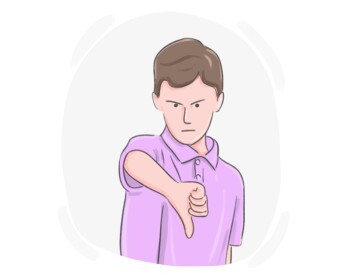
to be subjected to disapproval, rejection, or criticism from others, often through booing
هو شدن, با اعتراض روبهرو شدن
سخنران وقتی از سؤال اصلی طفره رفت هو شد.
to make a mistake that brings about a negative consequence
وجهه خود را خراب کردن, سابقه خود را خراب کردن
مدیر با یک اظهار نظر نسنجیده وجهه خودش را خراب کرد.
to find the flaws and weaknesses of something, like a plan, action, or idea
ایراد گرفتن, نقطهضعف پیدا کردن
او همیشه بهجای کمک کردن، از ایدههای من ایراد میگیرد.
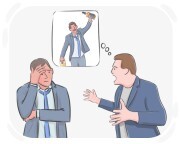
to make someone appear foolish or ridiculous in front of others
کسی را مضحکه کردن, کسی را جلوی دیگران احمق جلوه دادن
جلوی دوستانم مرا مضحکه نکن.
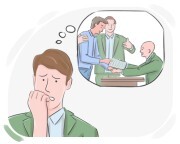
to take a particular course of action that endangers one's reputation or position
آبرو و جایگاه خود را به خطر انداختن, سابقهاش را به خطر انداختن
برای تصمیمی که قبولش ندارم، آبرو و جایگاهم را به خطر نمیاندازم.
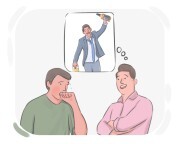
to behave in an embarrassing or foolish manner in front of other people, in a way that that makes them mock one
خود را مضحکه کردن, خود را احمق جلوه دادن
لطفاً در عروسی خودت را مضحکه نکن.
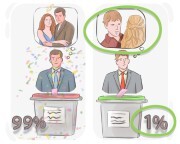
a negative perception of someone or something
لکه بدنامی, تصویر منفی
عرضه ناموفق برای کل تیم لکه بدنامی بود.

a mistake, wrongdoing, or unfavorable incident that damages someone's reputation, record, or standing and may negatively affect how others judge them
an embarrassing or disgraceful act, incident, or circumstance that damages someone's reputation, honor, or previously respectable record
a person or thing regarded as the most hated, unpopular, or strongly condemned within a particular group or society, especially because of perceived wrongdoing or harmful effects
a person who is no longer welcome or accepted within a particular group, organization, or community, especially because of their behavior, opinions, or actions
a deliberately harsh, malicious, or unfair attack on someone's reputation, work, or achievements, especially one that uses misleading accusations or distorted information to discredit them
the deliberate destruction or damaging of someone's reputation through false accusations, malicious criticism, or the distortion of their words, actions, or personal history
a planned and sustained effort to damage someone's reputation or credibility by spreading false, misleading, or deliberately damaging information about them
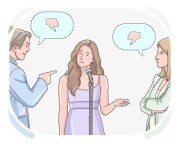
unfair criticism or blame
انتقاد یا سرزنش ناعادلانه, بدنامی ناحق
اسم اون رستوران بیخودی بد دررفته، ولی غذاش واقعاً عالیه.
no longer holding a position of power, influence, or public prominence, especially after losing political authority, popularity, or professional success
regarded unfavorably or with disapproval by a particular person or group, especially because of behavior that has damaged one's reputation or standing
to subject someone to severe public criticism, humiliation, or condemnation, especially as punishment for behavior considered unacceptable
the act of subjecting someone to harsh public criticism, humiliation, or condemnation, especially in response to perceived wrongdoing or failure
a word, subject, idea, or practice that is strongly disliked, rejected, or regarded as unacceptable within a particular group or society
to make damaging accusations or spread negative information about someone, especially in an attempt to harm their reputation or discredit them
to express criticism or disapproval indirectly by praising someone or something so weakly or unenthusiastically that the praise suggests a lack of real merit
to damage or destroy someone's good reputation by spreading accusations, negative stories, or other information that causes others to think badly of them
a secretive or indirect effort to damage someone's reputation by deliberately spreading harmful rumors, insinuations, or unverified accusations, especially without openly identifying those responsible
to deliberately influence someone's thoughts or feelings so that they develop distrust, hostility, or resentment toward another person or group, often by spreading misleading or negative information
to publicly identify and criticize individuals or organizations for engaging in inappropriate or unethical behavior in order to hold them accountable for their actions or punish them
افشا کردن, افشاگری کردن، رسوا ساختن
the practice of publicly identifying and criticizing people or organizations for wrongdoing or unacceptable behavior, especially to expose them to disapproval, embarrassment, or pressure to change
a person, organization, or issue that attracts a great deal of criticism, anger, or controversy, often becoming the main target of public dissatisfaction
a person or group that is repeatedly blamed, criticized, or punished for the mistakes, failures, or problems of others, often unfairly
a person, event, idea, or subject that is no longer considered interesting, important, fashionable, or relevant, especially after previously attracting considerable attention
