
Științe Naturale SAT - Biologie
Aici vei învăța câteva cuvinte în engleză legate de biologie, cum ar fi "gen", "virion", "telofază" etc., de care vei avea nevoie pentru a trece de SAT-urile tale.
Revizuire
Fișe de studiu
Ortografie
Chestionar

an individual living thing, such as an animal, plant, fungus, or bacterium

organism, ființă vie

a substance that provides nutrients and conditions for the growth of cells or microorganisms
mediu de cultură, mediu de creștere
Laboratorul a folosit un mediu de cultură pentru a cultiva bacteriile.
(biology) the growing of microorganisms in a prepared nutrient medium, such as agar or gelatin
cultură
relating to the chemical processes that occur within a living organism to maintain life
metabolic
Exercițiul crește rata metabolică, ducând la o ardere mai eficientă a caloriilor.
an individual example or sample of something, especially one examined or studied as representative of its type
a taxonomic rank below a family and above a species, comprising one or more closely related species
gen, gen
a genetic variant or subtype of a microorganism, typically within a species, that possesses distinct characteristics from other members of the same species
tulpină, variantă
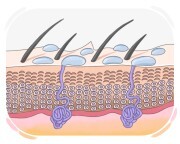
(of a cell, gland, or organ) to produce and release a liquid substance in the body
secreta, produce
Glandele salivare secretă enzime care ajută la digestia alimentelor.
to discharge waste products or substances from the body or cells into the environment, typically through urine, feces, or sweat
excreta, elimina
Rinichii elimină excesul de apă și produsele de deșeuri din fluxul sanguin.
a type of living thing with cells that have a nucleus and other structures enclosed in membranes, like plants, animals, fungi, and some microorganisms
eucariot, organism eucariot
Plantele, cu rădăcinile, tulpinile și frunzele lor, sunt exemple de eucariote.
a type of reproduction where a single organism can produce offspring without the involvement of another organism
reproducere asexuată
a type of cell division that creates reproductive cells with half the usual number of chromosomes
meioză, diviziune celulară reducțională
Meioza asigură diversitatea genetică prin crearea de celule hapolide cu combinații unice de cromozomi.
the longest phase of the cell cycle during which the cell grows, replicates its DNA, and carries out its normal functions
interfază, fază intermediară
the initial phase of mitosis, where chromatin condenses into visible chromosomes and the nuclear membrane dissolves, preparing for cell division
profaza, faza inițială a mitozei
În timpul profazei, cromozomii duplicați devin vizibili la microscop pe măsură ce se condensează.
the stage of mitosis where chromosomes align along the center (equator) of the cell, preparing for their separation into daughter cells
metafază, faza de metafază
În timpul metafazei, cromozomii sunt atașați de fibrele fusului și se aliniază la ecuatorul celulei.
the stage of cell division where sister chromatids or homologous chromosomes are pulled apart towards opposite poles of the cell by spindle fibers
anafază, faza de separare
În timpul anafazei mitozei, cromatidele surori se separă și se deplasează spre capetele opuse ale celulei.
the last stage of meiosis where chromosomes reach opposite poles, nuclear envelopes reform, and cells prepare to divide into daughter cells with half the original chromosome number
telofaza, ultima etapă a meiozei
În timpul telofazei I a meiozei, învelișurile nucleare se reasamblează în jurul cromozomilor la polii opuși.
to break down or decompose naturally by biological processes, typically through the action of microorganisms like bacteria or fungi
biodegradabil, a se descompune natural
Materialele organice, cum ar fi deșeurile alimentare, se biodegradă în grămezi de compost, transformându-se în sol bogat în nutrienți.
any molecule produced by living organisms including large molecules such as proteins, carbohydrates, lipids, and nucleic acids, as well as smaller molecules like vitamins, hormones, and metabolites
biomoleculă, moleculă biologică
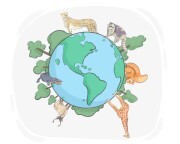
the existence of a range of different plants and animals in a natural environment
biodiversitate, diversitate biologică
Pădurea tropicală este cunoscută pentru bogata sa biodiversitate, găzduind nenumărate specii de floră și faună.
a field of study that combines biology and computational methods to analyze and interpret biological data
bioinformatică, informatică biologică
not causing harmful reactions or adverse effects when in contact with biological systems
biocompatibil, nu provoacă reacții dăunătoare sau efecte adverse atunci când intră în contact cu sistemele biologice
a branch of biology that employs statistical analysis to study and interpret biological phenomena and observations
biometrie, statistică biologică
Biometria în biologie utilizează metode statistice pentru a analiza variațiile genetice dintre diferite populații.
the branch of biology that deals with microorganisms, including bacteria, viruses, fungi, and protozoa, and their effects on living organisms
microbiologie
Microbiologia este esențială pentru înțelegerea transmiterii bolilor.
a scientist who studies the normal functions and activities of living organisms and their parts, often focusing on how biological systems work at the molecular, cellular, and organ levels
fiziolog, specialist în fiziologie
Fiziologul a efectuat experimente pentru a înțelege cum se contractă și se relaxează mușchii.
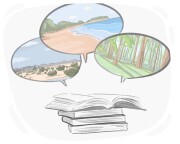
the scientific study of the environment or the interrelation of living creatures and the way they affect each other
ecologie, știința mediului
Ecologia examinează modul în care plantele și animalele se adaptează la mediul lor.
tourism that includes visiting endangered natural environments which aims at preservation of the wildlife and the nature
ecoturism, turism ecologic
Au planificat o excursie de ecoturism într-o pădure tropicală pentru a afla despre eforturile locale de conservare.
an approach to innovation and problem-solving that draws inspiration from nature's designs, processes, and systems
biomimetism, imitarea naturii
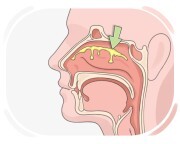
a thick slimy substance produced by mucous membranes, inside the nose or the mouth, to lubricate and protect them
mucus, secreție nazală
a complete virus particle that includes genetic material wrapped in a protein coat, capable of infecting host cells to replicate
virion, particulă virală completă
Virionul gripal conține ARN viral închis într-un capsid proteic și o înveliș lipidic extern.
the process of training or adapting behavior through repeated experiences or stimuli to produce specific responses or associations
condiționare
Experimentele lui Pavlov au demonstrat condiționarea clasică, unde câinii au învățat să asocieze un clopot cu mâncarea.
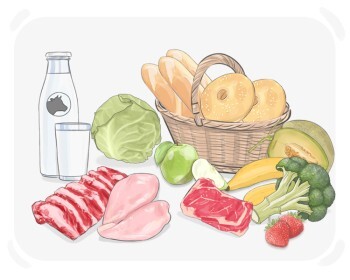
a substance such as a vitamin, protein, fat, etc. that is essential for good health and growth
nutrient, substanță nutritivă
Nutrienții precum fibrele ajută la digestie.
(biology) a mature sex cell with a single set of chromosomes that fuses with another gamete during fertilization
gamet, celulă sexuală
the collection of microorganisms, including bacteria, viruses, fungi, and other microbes, that inhabit a particular environment
microbiom, microbiotă
refering to processes, effects, or phenomena that are caused by human activity or influence
antropogen, de origine umană
Schimbările climatice sunt în mare măsură determinate de factori antropogeni, cum ar fi emisiile de gaze cu efect de seră.
the ability of an organism or cell to move independently using specialized structures such as flagella, cilia, or pseudopodia
motilitate, mobilitate
Celulele spermatice prezintă mobilitate în timp ce înoată spre ovul pentru fertilizare.
a single-celled organism that is neither a plant, animal, nor fungus, typically found in aquatic or moist environments
protist, organism unicelular
Parameciumul și amoeba sunt protiste găsite în mod obișnuit în habitatele de apă dulce.
reflecting a similarity in arrangement, type, or origin, particularly within the same species
omolog, similar în structură sau origine
Deși trăiesc în medii diferite, animalele terestre și acvatice prezintă adesea trăsături anatomice omoloage.
the light produced by by living organisms as a result of biochemical reactions, often used for communication, attracting prey, or camouflage
bioluminiscență, luminiscență biologică
Bioluminiscența licuriciului atrage partenerii prin emiterea unei lumini verzi moi din coadă, vizibilă în întunericul pădurii.
a small, plant-like aquatic organism belonging to the class Hydrozoa, often forming branching colonies
hidroid, mic organism acvatic asemănător plantei aparținând clasei Hydrozoa
Biologul marin a studiat structurile unice ale coloniei de hidroide.
the process by which a differentiated cell changes its identity and adopts the characteristics of a different cell type
transdiferențiere, schimbare de tip celular
the network of thread-like structures that form the vegetative part of a fungus, typically growing underground or within a substrate
miceliu
Pădurea era bogată în miceliu, crucial pentru reciclarea nutrienților din ecosistem.
(of an organism) engaging in a symbiotic relationship where both participants benefit from the interaction
mutualist, simbiotic
Albinele sunt mutualiste pentru că polenizează florile în timp ce adună nectar pentru hrană.
describing a relationship between two organisms where one benefits and the other is neither helped nor harmed
comensal, referitor la comensalism
Relația comensală dintre balanide și balene permite balanidelor să parcurgă distanțe mari.
a mutually beneficial symbiotic association between the roots of plants and fungi where the fungus colonizes the root system, facilitating nutrient uptake from the soil
micoriză, simbioză micorizică
(of organisms) to absorb and incorporate nutrients or substances from their environment into their own tissues or cells
asimila, absorbi
Plantele asimilează nutrienții din sol prin rădăcinile lor.
a reproductive cell capable of developing into a new organism without fusion with another cell, often adapted for survival in harsh conditions
sporă, celulă reproductivă
Ferigile se reproduc prin eliberarea sporilor în aer, care apoi se așează și cresc în plante noi.
the entirety of living organisms in a specific area or ecosystem, typically measured as dry weight after removing water
biomasă, masă biologică
Pădurea tropicală conține o vastă biomasă de plante și animale, contribuind la incredibila sa biodiversitate.
the scientific discipline of classifying and naming organisms based on their evolutionary relationships and shared characteristics
taxonomie, sistematică
Biologii folosesc taxonomia pentru a categoriza o specie nou descoperită în genul și specia sa potrivită pe baza trăsăturilor sale morfologice și genetice.
a shallow, circular, transparent dish with a lid, commonly used in laboratories to culture and study microorganisms
placa Petri, vas Petri
Omul de știință a plasat proba bacteriană într-o placă Petri pentru a observa creșterea acesteia pe parcursul mai multor zile.
a jelly-like substance extracted from algae, commonly used in biological culture media and as a thickening agent in foods
agar-agar, agar
Tehnicianul de laborator a turnat agarul în vasele Petri pentru a pregăti mediile de cultură pentru experimentele viitoare.
the study of the beginning and characteristic of the universe
cosmologie, studiul universului
extremely poisonous
otrăvitor, virulent
Substanța era suficient de virulentă pentru a fi fatală.
the natural process where bacteria and fungi break down dead organic matter, returning nutrients to the ecosystem
descompunere, putrefacție
Frunzele căzute au suferit descompunere, îmbogățind solul cu nutrienți valoroși.
the underlying surface or material where an organism attaches, grows, or feeds
substrat, bază
Lichenul s-a lipit ferm de substratul stâncos, supraviețuind în condiții dure.
capable of triggering an increase in the activity or responsiveness of the cell or organism
excitator, stimulator
a single-celled organism used extensively in biological research as a model organism
drojdia de fisiune, schizosaccharomyces
a microscopic single-celled organism that changes shape and typically moves and feeds by extending pseudopodia
amebă, amoebă
the process by which organisms evolve traits that improve their chances of survival and reproduction in a particular environment
adaptare, aclimatizare
