
Естественные Науки SAT - Биология
Здесь вы узнаете некоторые английские слова, связанные с биологией, такие как "род", "вирион", "теллофаза" и т.д., которые вам понадобятся для успешной сдачи SAT.
Обзор
Флэш-карточки
Правописание
Тест

a living thing such as a plant, animal, etc., especially a very small one that lives on its own

организм
Экосистема пруда является домом для различных организмов, включая рыб, водоросли и бактерии.

a substance that provides nutrients and conditions for the growth of cells or microorganisms
питательная среда, среда для роста
Лаборатория использовала питательную среду для выращивания бактерий.
the process of growing cells, tissues, or organisms in an artificial environment with controlled conditions such as temperature, nutrients, and pH
культура, клеточная культура
Микробиологи используют агаровые пластины для культивирования бактерий, чтобы изучать их рост и характеристики.
relating to the chemical processes that occur within a living organism to maintain life
метаболический
Упражнения увеличивают метаболическую скорость, что приводит к более эффективному сжиганию калорий.
a representative or characteristic sample that is examined or analyzed to gain insights or understanding of a particular group or category
образец
Ученый исследовал образец под микроскопом для исследований.
(biology) any of the groups that plants, animals, etc. with similar characteristics are divided into, which is larger than a species and smaller than a family
род
Род Rosa включает все виды роз, известных своими красивыми цветами и ароматом.
a genetic variant or subtype of a microorganism, typically within a species, that possesses distinct characteristics from other members of the same species
штамм, вариант
Вирус гриппа часто мутирует, что приводит к появлению новых штаммов каждый сезон гриппа.
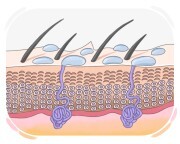
(of a cell, gland, or organ) to produce and release a liquid substance in the body
выделять
Слюнные железы выделяют ферменты, которые помогают в переваривании пищи.
to discharge waste products or substances from the body or cells into the environment, typically through urine, feces, or sweat
выделять, удалять
Почки выделяют избыток воды и отходы из кровотока.
a type of living thing with cells that have a nucleus and other structures enclosed in membranes, like plants, animals, fungi, and some microorganisms
эукариот, эукариотический организм
Растения, с их корнями, стеблями и листьями, являются примерами эукариот.
a type of reproduction where a single organism can produce offspring without the involvement of another organism
бесполое размножение
a type of cell division that creates reproductive cells with half the usual number of chromosomes
мейоз, редукционное деление клетки
Мейоз обеспечивает генетическое разнообразие, создавая гаплоидные клетки с уникальными комбинациями хромосом.
the longest phase of the cell cycle during which the cell grows, replicates its DNA, and carries out its normal functions
интерфаза, промежуточная фаза
the initial phase of mitosis, where chromatin condenses into visible chromosomes and the nuclear membrane dissolves, preparing for cell division
профаза, начальная фаза митоза
Во время профазы дублированные хромосомы становятся видимыми под микроскопом по мере их конденсации.
the stage of mitosis where chromosomes align along the center (equator) of the cell, preparing for their separation into daughter cells
метафаза, фаза метафазы
Во время метафазы хромосомы прикрепляются к веретену деления и выстраиваются по экватору клетки.
the stage of cell division where sister chromatids or homologous chromosomes are pulled apart towards opposite poles of the cell by spindle fibers
анафаза, фаза разделения
Во время анафазы митоза сестринские хроматиды разделяются и движутся к противоположным концам клетки.
the last stage of meiosis where chromosomes reach opposite poles, nuclear envelopes reform, and cells prepare to divide into daughter cells with half the original chromosome number
теллофаза, заключительная стадия мейоза
Во время телофазы I мейоза ядерные оболочки вновь собираются вокруг хромосом на противоположных полюсах.
to break down or decompose naturally by biological processes, typically through the action of microorganisms like bacteria or fungi
биоразлагаться, разлагаться естественным образом
Органические материалы, такие как пищевые отходы, биоразлагаются в компостных кучах, превращаясь в богатую питательными веществами почву.
any molecule produced by living organisms including large molecules such as proteins, carbohydrates, lipids, and nucleic acids, as well as smaller molecules like vitamins, hormones, and metabolites
биомолекула, биологическая молекула
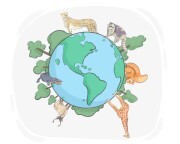
the existence of a range of different plants and animals in a natural environment
биоразнообразие
Тропический лес известен своим богатым биоразнообразием, в котором обитают бесчисленные виды флоры и фауны.
a field of study that combines biology and computational methods to analyze and interpret biological data
биоинформатика, биологическая информатика
not causing harmful reactions or adverse effects when in contact with biological systems
биосовместимый, совместимый с биологическими системами
a branch of biology that employs statistical analysis to study and interpret biological phenomena and observations
биометрия, биологическая статистика
Биометрия в биологии использует статистические методы для анализа генетических вариаций среди различных популяций.
the branch of biology that deals with microorganisms, including bacteria, viruses, fungi, and protozoa, and their effects on living organisms
микробиология
Микробиология необходима для понимания передачи заболеваний.
a scientist who studies the normal functions and activities of living organisms and their parts, often focusing on how biological systems work at the molecular, cellular, and organ levels
физиолог, специалист по физиологии
Физиолог провел эксперименты, чтобы понять, как мышцы сокращаются и расслабляются.

the scientific study of the environment or the interrelation of living creatures and the way they affect each other
экология
Экология изучает, как растения и животные приспосабливаются к своей среде.
tourism that includes visiting endangered natural environments which aims at preservation of the wildlife and the nature
экотуризм
Они запланировали поездку по экотуризму в тропический лес, чтобы узнать о местных усилиях по сохранению природы.
an approach to innovation and problem-solving that draws inspiration from nature's designs, processes, and systems
биомиметика, подражание природе
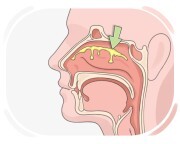
a thick slimy substance produced by mucous membranes, inside the nose or the mouth, to lubricate and protect them
слизь
a complete virus particle that includes genetic material wrapped in a protein coat, capable of infecting host cells to replicate
вирион, полная вирусная частица
Вирион гриппа содержит вирусную РНК, заключенную в белковый капсид и внешнюю липидную оболочку.
the process of training or adapting behavior through repeated experiences or stimuli to produce specific responses or associations
обусловливание
Эксперименты Павлова продемонстрировали классическое обусловливание, где собаки научились ассоциировать звонок с едой.
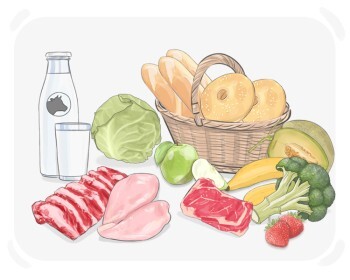
a substance such as a vitamin, protein, fat, etc. that is essential for good health and growth
питательное вещество
Питательные вещества, такие как клетчатка, способствуют пищеварению.
a special cell used for reproduction, with sperm cells being the male gametes and egg cells being the female gametes
гамета
the collection of microorganisms, including bacteria, viruses, fungi, and other microbes, that inhabit a particular environment
микробиом, микробиота
refering to processes, effects, or phenomena that are caused by human activity or influence
антропогенный, человеческого происхождения
Изменение климата в значительной степени обусловлено антропогенными факторами, такими как выбросы парниковых газов.
the ability of an organism or cell to move independently using specialized structures such as flagella, cilia, or pseudopodia
подвижность, мотильность
Сперматозоиды проявляют подвижность, плавая к яйцеклетке для оплодотворения.
a single-celled organism that is neither a plant, animal, nor fungus, typically found in aquatic or moist environments
протист, одноклеточный организм
Парамеции и амебы — это простейшие, обычно встречающиеся в пресноводных средах обитания.
reflecting a similarity in arrangement, type, or origin, particularly within the same species
гомологичный
Хотя они живут в разных средах, наземные и водные животные часто демонстрируют гомологичные анатомические черты.
the light produced by by living organisms as a result of biochemical reactions, often used for communication, attracting prey, or camouflage
биолюминесценция, биологическая люминесценция
Биолюминесценция светлячка привлекает партнеров, испуская мягкий зеленый свет из своего хвоста, видимый в темноте леса.
a small, plant-like aquatic organism belonging to the class Hydrozoa, often forming branching colonies
гидроид, небольшой водный организм
Морской биолог изучил уникальные структуры колонии гидроидов.
the process by which a differentiated cell changes its identity and adopts the characteristics of a different cell type
трансдифференцировка, изменение клеточной дифференцировки
the network of thread-like structures that form the vegetative part of a fungus, typically growing underground or within a substrate
мицелий
Лесная подстилка была богата мицелием, который играет ключевую роль в переработке питательных веществ в экосистеме.
(of an organism) engaging in a symbiotic relationship where both participants benefit from the interaction
мутуалистический, симбиотический
Пчёлы являются мутуалистами, потому что они опыляют цветы, собирая нектар для пищи.
describing a relationship between two organisms where one benefits and the other is neither helped nor harmed
комменсальный, относящийся к комменсализму
Комменсальные отношения между морскими уточками и китами позволяют морским уточкам преодолевать огромные расстояния.
a mutually beneficial symbiotic association between the roots of plants and fungi where the fungus colonizes the root system, facilitating nutrient uptake from the soil
микориза, микоризный симбиоз
(of organisms) to absorb and incorporate nutrients or substances from their environment into their own tissues or cells
усваивать, поглощать
Растения усваивают питательные вещества из почвы через свои корни.
a reproductive cell capable of developing into a new organism without fusion with another cell, often adapted for survival in harsh conditions
спора, репродуктивная клетка
Папоротники размножаются, выпуская споры в воздух, которые затем оседают и вырастают в новые растения.
the entirety of living organisms in a specific area or ecosystem, typically measured as dry weight after removing water
биомасса, биологическая масса
Тропический лес содержит огромную биомассу растений и животных, что способствует его невероятному биоразнообразию.
the scientific discipline of classifying and naming organisms based on their evolutionary relationships and shared characteristics
таксономия, систематика
Биологи используют таксономию для классификации недавно обнаруженного вида в соответствующий род и вид на основе его морфологических и генетических признаков.
a shallow, circular, transparent dish with a lid, commonly used in laboratories to culture and study microorganisms
чашка Петри, плошка Петри
Ученый поместил бактериальный образец в чашку Петри, чтобы наблюдать за его ростом в течение нескольких дней.
a jelly-like substance extracted from algae, commonly used in biological culture media and as a thickening agent in foods
агар-агар, агар
Лаборант налил агар в чашки Петри для подготовки питательной среды для предстоящих экспериментов.
extremely poisonous
смертельный
Вещество было достаточно вирулентным, чтобы быть смертельным.
the natural process where bacteria and fungi break down dead organic matter, returning nutrients to the ecosystem
разложение, гниение
Опавшие листья подверглись разложению, обогащая почву ценными питательными веществами.
the underlying surface or material where an organism attaches, grows, or feeds
субстрат, основа
Лишайник плотно прикрепился к каменистому субстрату, выживая в суровых условиях.
capable of triggering an increase in the activity or responsiveness of the cell or organism
возбуждающий, стимулирующий
a single-celled organism used extensively in biological research as a model organism
дрожжи деления, шизосахаромицеты
a single-celled, microscopic organism belonging to the group of protozoa, characterized by a flexible cell membrane and the absence of a fixed body shape
амеба, амебы
Амёбы обычно встречаются в различных водных средах, включая пресноводные пруды и ручьи.
the process by which organisms evolve traits that improve their chances of survival and reproduction in a particular environment
адаптация, приспособление
Адаптация — это камуфляж, который помогает животным избегать хищников.
