
Расширенный словарный запас для GRE - мнения и советы
Здесь вы узнаете некоторые английские слова, связанные с мнением и советом, такие как "balk", "decry", "hail" и т.д., которые необходимы для экзамена GRE.
Обзор
Флэш-карточки
формы
Правописание
Тест


to give criticism or a warning to someone for doing something that is wrong

предостерегать
Учитель пожурил ученика за разговоры на уроке.
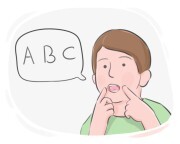
to pronounce or utter something in a clear and precise way
произносить ясно
На занятии по логопедии он работал над тем, как артикулировать сложные звуки.

to be reluctant to do something or allow it to happen, particularly because it is dangerous, difficult, or unpleasant
отказываться
Он воздержался от идеи взяться за такой рискованный проект.

to severely criticize, often with the intention of correcting someone's behavior or actions
отчитывать
Учитель отчитал ученика за то, что он нарушал порядок в классе громким поведением.

to do something that stops someone's anger or dissatisfaction, usually by being friendly or giving them what they want
примирять
Она умиротворила расстроенного клиента, предложив полный возврат средств.
to exchange opinions and have discussions with others, often to come to an agreement or decision
совещаться
Члены совета проведут совещание на следующей неделе, чтобы окончательно утвердить бюджет на предстоящий финансовый год.
to openly express one's extreme disapproval or criticism
осуждать
Активист осудил новую политику как вредную для сообщества.

to express one's disagreement, refusal, or reluctance
возражать
Когда Сару попросили поработать сверхурочно, она возразила, ссылаясь на семейные обязательства.
to indicate something's meaning or what it is referring to
обозначать
Синий цвет на картине тщательно подобран, чтобы обозначать чувство спокойствия и умиротворения.
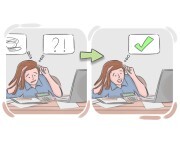
to understand and make sense of something after giving it a lot of thought
постигать
Замысловатый сюжет романа требовал от читателей понимания мотивации персонажей.
to praise someone or something enthusiastically and loudly, particularly in a public manner
приветствовать
Исследовательница была восхваляема как пионер за свои новаторские открытия.
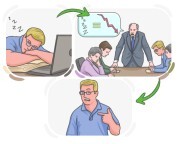
to indirectly state something
намекать
Когда она упомянула о предстоящей встрече, он дал понять, что изменения в плане проекта возможны.
to say that something either does not exist or is not true
отрицать
Он пытался опровергнуть показания свидетелей, обвиняя их в заговоре против него.
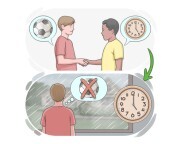
to come to a conclusion without enough evidence
догадаться
Не сумев найти недостающий документ, он мог только предположить, что он, возможно, был потерян.
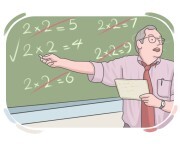
to stress something's importance or value
подчеркивать
Речь президента подчеркнула важность единства в трудные времена.
criticizing or insulting in a hurtful and angry manner
оскорбительный
Его бранные замечания о новой политике шокировали всех на собрании.
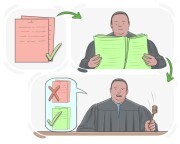
to state that something is incorrect or false based on evidence
опровергать
Ученый опроверг гипотезу эмпирическими данными.
not willing or able to broaden one's limited understanding or point of view
зашоренный
Его ограниченный подход к проблеме помешал ему увидеть альтернативные решения.
sarcastic or critical in a hurtful way
едкий
Джейн попыталась отшутиться от едких замечаний по поводу её презентации, но они явно её задели.
(of sentences, explanations, arguments, etc.) long and difficult to understand, often due to complexity or excessive detail
запутанный
Запутанный аргумент адвоката скорее запутал присяжных, чем прояснил дело.
aiming to teach a moral lesson
учебный
Лекции профессора были очень дидактическими, предоставляя студентам ценные знания по предмету.
becoming involved in a dispute, conflict, or complex situation
вовлеченный
Она втянулась в жаркие дебаты по поводу новых изменений в политике.
mistaken or inaccurate due to flaws in reasoning, evidence, or factual support
ошибочный
В отчете содержалось несколько ошибочных выводов, основанных на неверных данных.

able to be understood without difficulty
понятный
Инструкции были простыми и понятными, что делало задачу легкой для выполнения.

seeming believable or reasonable enough to be considered true
правдоподобный
Детектив счел его алиби правдоподобным, так как несколько свидетелей подтвердили его историю.

suggested or understood without being verbally expressed
молчаливый
У них было молчаливое признание навыков друг друга, что привело к гладкому сотрудничеству.
used to indicate that despite a previous statement or situation, something else remains true
всё же
Доказательства были слабыми; тем не менее, присяжные признали его виновным.

used to show that separate items correspond to separate others in the order listed
соответственно
Тому и Джерри соответственно 5 и 3 года.
used to introduce a statement that is true for one thing and false for another
тогда как
Джеймс общительный и разговорчивый, тогда как его брат сдержанный и тихий.
a problem or question that is confusing and needs a lot of skill or effort to solve or answer
головоломка
Смысл жизни всегда был загадкой, над которой философы размышляли веками.
a lack of similarity between facts, reports, claims, or other things that are supposed to be alike
несоответствие
Аудит выявил значительное расхождение между заявленными доходами и фактическими показателями продаж.
a state of disagreement between people's opinions, actions, or personalities, often resulting in tension
несоответствие
Между словами менеджера и его действиями была явная диссонанс.
the practice of pretending to feel or act one way while actually pursuing another
двуличие
Шпион был искусен в двуличности.
a person or thing that serves as an excellent model or example of a particular quality or type
образец, пример
Эссе студента было образцом ясного и убедительного письма.
something's main or overall meaning
суть
Суть разговора заключалась в улучшении командного сотрудничества.

a possible consequence that something can bring about
последствие
Последствия нового закона могут затронуть многие малые предприятия.
a logically contradictory statement that might actually be true
парадокс
Это парадокс, что чем больше у нас вариантов, тем сложнее принять решение.
criticism or comments that are severely cruel and hurtful
язвительность
Вместо того чтобы заниматься враждебным язвительным обсуждением, мы должны уважительно обсуждать идеи.
