
Pokročilá Slovní Zásoba pro GRE - Mějte názor, dejte radu!
Zde se naučíte některá anglická slova týkající se názoru a rady, jako jsou "balk", "decry", "hail" atd., která jsou potřebná pro zkoušku GRE.
Revize
Kartičky
tvary
Pravopis
Kvíz


to give criticism or a warning to someone for doing something that is wrong

pokárat, napomenout
Trenér pokáral hráče za nesportovní chování na hřišti.
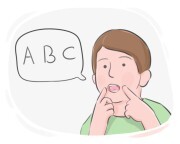
to pronounce or utter something in a clear and precise way
artikulovat, vyslovovat jasně

to be reluctant to do something or allow it to happen, particularly because it is dangerous, difficult, or unpleasant
váhat, ustupovat
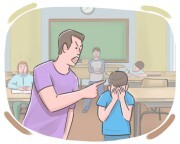
to severely criticize, often with the intention of correcting someone's behavior or actions
pokárat, plísnit
Vedoucí musel pokárat členy týmu za nedodržování bezpečnostních protokolů na pracovišti.

to do something that stops someone's anger or dissatisfaction, usually by being friendly or giving them what they want
usmířit, uklidnit
Rodič uklidnil rozrušené dítě tím, že nabídl kompromis.
to discuss something with others in order to exchange views or reach a decision
radit se, konzultovat
to openly express one's extreme disapproval or criticism
odsuzovat, kritizovat
Roky odsuzovala korupci v místní vládě.

to express one's disagreement, refusal, or reluctance
namítat, váhat
Váhal s přijetím povýšení, nejistý, zda je připraven na odpovědnost.
to indicate something's meaning or what it is referring to
označovat, znamenat
Zkratka "CEO" označuje generálního ředitele společnosti.
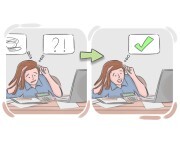
to understand and make sense of something after giving it a lot of thought
pochopit, porozumět
Vědci spolupracují, aby pochopili tajemství vesmíru.
to praise someone or something enthusiastically and loudly, particularly in a public manner
oslavovat, chválit
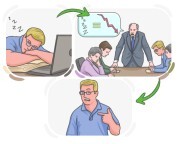
to communicate or suggest something indirectly
naznačit, naznačovat
to say that something either does not exist or is not true
popírat, vyvrátit
Zjištění vědce popírají předchozí teorie o experimentu.
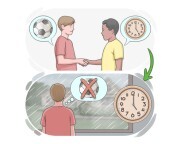
to come to a conclusion without enough evidence
odhadovat, předpokládat
Po obdržení nejasných odpovědí usoudila, že by mohly být problémy s komunikačními kanály.
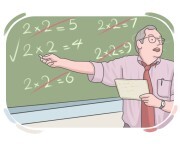
to stress something's importance or value
zdůraznit, podtrhnout
Zjištění studie zdůrazňují naléhavost řešení změny klimatu.
criticizing or insulting in a hurtful and angry manner
urážlivý, hanlivý
Jeho jízlivá kritika výkonu týmu byla jak bolestivá, tak neopodstatněná.
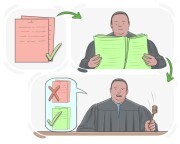
to state that something is incorrect or false based on evidence
vyvrátit, popřít
Ona vyvrátila teorii dobře zdůvodněným protipříkladem.
not willing or able to broaden one's limited understanding or point of view
úzkoprsý, omezený
Odmítala poslouchat jiné názory, udržujíc si své úzkoprsé přesvědčení o této záležitosti.
sarcastic or critical in a hurtful way
žíravý, sarkastický
Odpověděla kousavým komentářem, když zpochybnil její rozhodnutí, čímž se rozhovor stal napjatým.
(of sentences, explanations, arguments, etc.) long and difficult to understand, often due to complexity or excessive detail
složitý, zamotaný
Smlouva byla plná složitého jazyka, což ji činilo téměř nemožným interpretovat.
aiming to teach a moral lesson
didaktický, pedagogický
Zatímco někteří si užívají didaktickou literaturu pro její vzdělávací hodnotu, jiní dávají přednost dílům, která se více zaměřují na vyprávění příběhů a vývoj postav.
becoming involved in a dispute, conflict, or complex situation
zapletený, zapojený
Společnost byla zapletena do právních bitek, které ovlivnily její pověst.
mistaken or inaccurate due to flaws in reasoning, evidence, or factual support
chybný, nepřesný
Museli své prohlášení stáhnout poté, co zjistili, že bylo založeno na chybných informacích.

able to be understood without difficulty
srozumitelný, pochopitelný
Přednáška profesora byla srozumitelná, s jasnými vysvětleními a příklady.
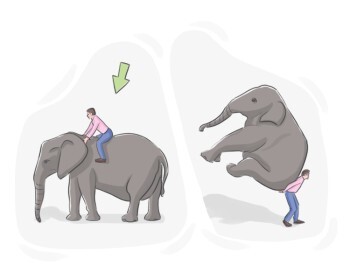
seeming believable or reasonable enough to be considered true
věrohodný, přijatelný
Svědek poskytl věrohodný popis událostí vedoucích k nehodě, založený na jejích pozorováních.
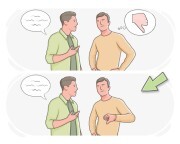
suggested or understood without being verbally expressed
mlčenlivý, implicitní
Jeho mlčenlivý souhlas byl zřejmý z jeho přikývnutí, i když nic neřekl.
used to indicate that despite a previous statement or situation, something else remains true
přesto, nicméně
Jeho omluva vypadala neupřímně; přesto ji přijala přesto.
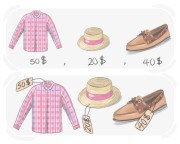
used to show that separate items correspond to separate others in the order listed
respektive
Hotelové pokoje stojí 200 a 300 za noc, respektive.
used to introduce a statement that is true for one thing and false for another
zatímco, naopak
Zatímco ráno bylo chladno, odpoledne se ukázalo být teplé a příjemné.
a problem or question that is confusing and needs a lot of skill or effort to solve or answer
hádanka, hlavolam
Ocitla se v obtížné situaci, když si musela vybrat mezi dvěma stejně lákavými pracovními nabídkami.
a lack of similarity between facts, reports, claims, or other things that are supposed to be alike
nesrovnalost, rozdíl
Přestože vycházely ze stejných dat, mezi závěry obou výzkumníků byl patrný nesoulad.
a state of disagreement between people's opinions, actions, or personalities, often resulting in tension
disonance, nesoulad
Disonance mezi jejím veselým tónem a pochmurnou zprávou byla znepokojující.
the practice of pretending to feel or act one way while actually pursuing another
pokrytectví, pokrytectví
Obvinila ho z pokrytectví v jednáních.
a person or thing that serves as an excellent model or example of a particular quality or type
příklad, vzor
Její oddanost charitativní práci z ní dělá příklad komunitního ducha.
something's main or overall meaning
podstata, hlavní myšlenka
Podstatou jejího návrhu bylo zvýšení financování vzdělávacího sektoru.

a possible consequence that something can bring about
implikace, důsledek
a logically contradictory statement that might actually be true
paradox, logický rozpor
Slavný paradox Schrödingerovy kočky ilustruje složitost kvantové mechaniky.
criticism or comments that are severely cruel and hurtful
jízlivá kritika, kruté komentáře
Kritici rozpoutali bouři jízlivosti vůči novému, provokativnímu dílu umělce.
