
Vocabulaire Avancé pour le GRE - Opinion et Conseil
Ici, vous apprendrez quelques mots anglais sur l'opinion et les conseils, tels que "balk", "decry", "hail", etc., qui sont nécessaires pour l'examen GRE.
Réviser
Flashcards
Orthographe
Quiz


to strongly advise someone to do or avoid doing something

avertir, prévenir, sermonner
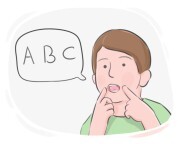
to pronounce or utter something in a clear and precise way
bien s'exprimer, exprimer
Le présentateur de nouvelles a été formé pour articuler les reportages avec exactitude et précision.

to be reluctant to do something or allow it to happen, particularly because it is dangerous, difficult, or unpleasant
rechigner
Il hésitait à l'idée de gravir la montagne dangereuse.
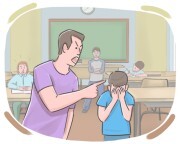
to severely criticize, often with the intention of correcting someone's behavior or actions
réprimander
Le manager a décidé de réprimander l'employé pour être arrivé systématiquement en retard au travail.
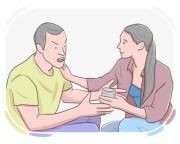
to do something that stops someone's anger or dissatisfaction, usually by being friendly or giving them what they want
apaiser
Le diplomate a concilié les parties en conflit en facilitant une communication ouverte.
to discuss something with others in order to exchange views or reach a decision
consulter, s'entretenir avec
to openly express one's extreme disapproval or criticism
dénoncer, contester
Le sénateur a dénoncé la législation proposée lors de son discours.

to express one's disagreement, refusal, or reluctance
rechigner
Le membre du comité a émis des réserves sur le budget proposé, exprimant des inquiétudes quant à sa faisabilité.
to indicate something's meaning or what it is referring to
signifier
Dans la littérature, le motif récurrent d'une rose rouge peut désigner l'amour et la passion.
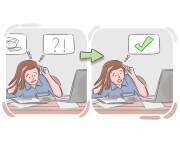
to understand and make sense of something after giving it a lot of thought
comprendre
Il lui a fallu un certain temps pour comprendre les complexités de la théorie scientifique.
to praise someone or something enthusiastically and loudly, particularly in a public manner
acclamer, saluer
Les experts de l'industrie ont acclamé la nouvelle technologie comme une innovation révolutionnaire lors de l'événement de lancement du produit.
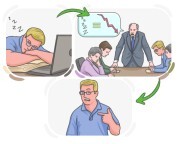
to communicate or suggest something indirectly
laisser entendre, insinuer, sous-entendre
to say that something either does not exist or is not true
nier, réfuter
Les scientifiques ont recueilli de nouvelles données qui ont aidé à nier la théorie de longue date sur la formation du système solaire.
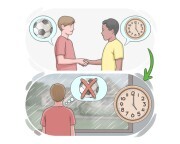
to come to a conclusion without enough evidence
présumer, conjecturer
Lorsque le retard inattendu s'est produit, les passagers ne pouvaient que supposer qu'il pourrait y avoir un problème avec l'horaire du train.
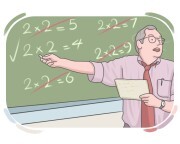
to stress something's importance or value
souligner
Les événements récents ne font que souligner la nécessité de mesures de sécurité plus strictes.
criticizing or insulting in a hurtful and angry manner
injurieux,dénigrant
Le discours vituperatif du politicien était rempli d'attaques dures contre son adversaire.
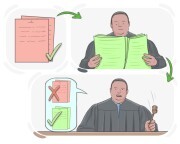
to prove that a statement, belief, or argument is false
réfuter, démentir
not willing or able to broaden one's limited understanding or point of view
borné, étroit
Elle est restée bornée dans ses croyances, refusant de considérer d'autres perspectives.
sarcastic or critical in a hurtful way
caustique
Les questions caustiques de l'intervieweur étaient destinées à remettre en cause la crédibilité du politicien.
(of sentences, explanations, arguments, etc.) long and difficult to understand, often due to complexity or excessive detail
alambiqué
Son explication alambiquée n'a fait qu'ajouter à la confusion concernant le projet.
aiming to teach a moral lesson
didactique
Le livre pour enfants n'était pas seulement divertissant mais avait aussi un but didactique, enseignant des leçons de vie importantes.
becoming involved in a dispute, conflict, or complex situation
impliqué, impliquée
Il s'est retrouvé impliqué dans un conflit familial qu'il avait essayé d'éviter.
mistaken or inaccurate due to flaws in reasoning, evidence, or factual support
erroné, faux
Sa conviction que le projet échouerait était erronée, compte tenu des solides preuves de succès.

able to be understood without difficulty
intelligible
Son écriture n'était pas toujours intelligible, ce qui rendait difficile la lecture pour les autres.
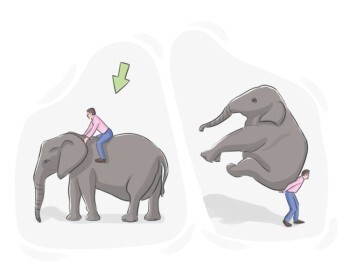
seeming believable or reasonable enough to be considered true
plausible
Le scientifique a proposé une théorie plausible pour expliquer le phénomène inhabituel observé lors de l'expérience.
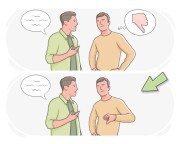
suggested or understood without being verbally expressed
tacite, implicite
Ils avaient une reconnaissance tacite des compétences de l'autre, ce qui a conduit à une collaboration fluide.
used to indicate that despite a previous statement or situation, something else remains true
néanmoins
Elle avait des doutes sur le plan ; elle l'a approuvé néanmoins.
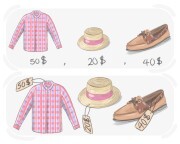
used to show that separate items correspond to separate others in the order listed
respectivement
New York et LA sont respectivement 4 et 6 heures derrière GMT.
used to introduce a statement that is true for one thing and false for another
tandis que
John aime la nourriture épicée, alors que Sarah préfère les saveurs douces.
a problem or question that is confusing and needs a lot of skill or effort to solve or answer
énigme
Les chercheurs ont été confrontés à un casse-tête lorsque les résultats expérimentaux ont contredit leur hypothèse initiale.
a lack of similarity between facts, reports, claims, or other things that are supposed to be alike
divergence, différence
Il y avait une divergence flagrante dans les déclarations des témoins, ce qui a rendu l'affaire plus difficile à résoudre.
a state of disagreement between people's opinions, actions, or personalities, often resulting in tension
désaccord, dissension, discorde
L'équipe a lutté avec la dissonance, car chaque membre avait une vision différente.
the practice of pretending to feel or act one way while actually pursuing another
fausseté, duplicité
Sa duplicité lui a coûté la confiance de ses collègues.
a person or thing that serves as an excellent model or example of a particular quality or type
exemple, modèle
L'exposition du musée présente un exemplaire de l'art de la Renaissance.
something's main or overall meaning
essentiel
Je n'ai pas lu tout le rapport, mais j'ai saisi l'essentiel à partir du résumé.

a possible consequence that something can bring about
insinuation, implication
Les implications de la nouvelle loi pourraient affecter de nombreuses petites entreprises.
a logically contradictory statement that might actually be true
paradoxe
Le concept de voyage dans le temps pose un paradoxe, car il soulève des questions sur la causalité et la possibilité de changer le passé.
criticism or comments that are severely cruel and hurtful
méchanceté
La section des commentaires était remplie de vitriol après l'annonce controversée.
