


pattern

Vocabolario Avanzato per il GRE - Tenere un parere, dare un consiglio!

Qui imparerai alcune parole inglesi su opinione e consiglio, come "balk", "decry", "hail", ecc., che sono necessarie per l'esame GRE.

Revisione

Flashcard

forme

Ortografia

Quiz

Inizia a imparare
Advanced Words Needed for the GRE
to admonish

to give criticism or a warning to someone for doing something that is wrong

ammonire

ammonire

Ex: The teacher admonished the student for talking during class. 
Chiudi
Accedi
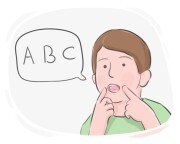
to articulate

to pronounce or utter something in a clear and precise way

articolare

articolare

Ex: It's important for public speakers to articulate their words effectively to engage the audience. 
Chiudi
Accedi
to balk
to balk
[Verbo]

to be reluctant to do something or allow it to happen, particularly because it is dangerous, difficult, or unpleasant

negare

negare

Ex: He balked at the idea of taking on such a risky project. 
Chiudi
Accedi
to chastise

to severely criticize, often with the intention of correcting someone's behavior or actions

rimproverare

rimproverare

Ex: The teacher chastised the student for disrupting the class with loud behavior. 
Chiudi
Accedi
to conciliate

to do something that stops someone's anger or dissatisfaction, usually by being friendly or giving them what they want

conciliare

conciliare

Ex: She conciliated the upset customer by offering a full refund. 
Chiudi
Accedi
to confer
to confer
[Verbo]

to exchange opinions and have discussions with others, often to come to an agreement or decision

consultarsi

consultarsi

Ex: The board members will confer next week to finalize the budget for the upcoming fiscal year. 
Chiudi
Accedi
to decry
to decry
[Verbo]

to openly express one's extreme disapproval or criticism

condannare

condannare

Ex: The activist decried the new policy as harmful to the community. 
Chiudi
Accedi
to demur
to demur
[Verbo]

to express one's disagreement, refusal, or reluctance

riluttante

riluttante

Ex: When asked to work overtime, Sarah demurred, citing family commitments. 
Chiudi
Accedi
to denote
to denote
[Verbo]

to indicate something's meaning or what it is referring to

denotare

denotare

Ex: The color blue in the painting is carefully chosen to denote a sense of tranquility and calmness. 
Chiudi
Accedi
to fathom
to fathom
[Verbo]

to understand and make sense of something after giving it a lot of thought

capire

capire

Ex: The novel's intricate plot required readers to fathom the characters' motivations. 
Chiudi
Accedi
to hail
to hail
[Verbo]

to praise someone or something enthusiastically and loudly, particularly in a public manner

salutare

salutare

Ex: Fans hailed the athlete for breaking the record with a standing ovation and cheers. 
Chiudi
Accedi
to intimate

to indirectly state something

annunciare

annunciare

Ex: When she mentioned the upcoming meeting, he intimated that changes in the project plan were a possibility. 
Chiudi
Accedi
to negate
to negate
[Verbo]

to say that something either does not exist or is not true

negare

negare

Ex: He tried to negate the eyewitness accounts by accusing the witnesses of conspiring against him. 
Chiudi
Accedi
to surmise
to surmise
[Verbo]

to come to a conclusion without enough evidence

congetturare

congetturare

Ex: Unable to find the missing document, he could only surmise that it might have been misplaced. 
Chiudi
Accedi
to underscore

to stress something's importance or value

sottolineare

sottolineare

Ex: The president's speech underscored the importance of unity in challenging times. 
Chiudi
Accedi
vituperative
vituperative
[aggettivo]

criticizing or insulting in a hurtful and angry manner

ingiurioso, denigratorio

ingiurioso, denigratorio

Ex: His vituperative remarks about the new policy shocked everyone in the meeting. 
Chiudi
Accedi
to refute
to refute
[Verbo]

to state that something is incorrect or false based on evidence

confutare

confutare

Ex: The scientist refuted the hypothesis with empirical data. 
Chiudi
Accedi
blinkered
blinkered
[aggettivo]

not willing or able to broaden one's limited understanding or point of view

pregiudizi

pregiudizi

Ex: His blinkered approach to the problem prevented him from seeing any alternative solutions. 
Chiudi
Accedi
caustic
caustic
[aggettivo]

sarcastic or critical in a hurtful way

caustico

caustico

Ex: Jane tried to laugh off the caustic remarks about her presentation, but they clearly stung. 
Chiudi
Accedi
convoluted
convoluted
[aggettivo]

(of sentences, explanations, arguments, etc.) long and difficult to understand, often due to complexity or excessive detail

contorto

contorto

Ex: The lawyer's convoluted argument confused the jury rather than clarifying the case. 
Chiudi
Accedi
didactic
didactic
[aggettivo]

aiming to teach a moral lesson

didattico

didattico

Ex: The professor's lectures were highly didactic, providing students with valuable insights into the subject matter. 
Chiudi
Accedi
embroiled
embroiled
[aggettivo]

becoming involved in a dispute, conflict, or complex situation

confuso

confuso

Ex: She became embroiled in a heated debate over the new policy changes. 
Chiudi
Accedi
erroneous
erroneous
[aggettivo]

mistaken or inaccurate due to flaws in reasoning, evidence, or factual support

erroneo

erroneo

Ex: The report contained several erroneous conclusions based on faulty data. 
Chiudi
Accedi
intelligible
intelligible
[aggettivo]

able to be understood without difficulty

intelligibile

intelligibile

Ex: The professor's lecture was intelligible, with clear explanations and examples. 
Chiudi
Accedi
plausible
plausible
[aggettivo]

seeming believable or reasonable enough to be considered true

plausibile

plausibile

Ex: The detective found his alibi to be plausible, as several witnesses corroborated his story. 
Chiudi
Accedi
tacit
tacit
[aggettivo]

suggested or understood without being verbally expressed

tacito

tacito

Ex: His tacit approval was evident from his nod, even though he said nothing. 
Chiudi
Accedi
nonetheless
nonetheless
[avverbio]

used to indicate that despite a previous statement or situation, something else remains true

ciononostante

ciononostante

Ex: The evidence was weak; the jury convicted him nonetheless. 
Chiudi
Accedi
respectively
respectively
[avverbio]

used to show that separate items correspond to separate others in the order listed

rispettivamente

rispettivamente

Ex: Tom and Jerry are 5 and 3 years old, respectively. 
Chiudi
Accedi
whereas
whereas
[Congiunzione]

used to introduce a statement that is true for one thing and false for another

invece, mentre

invece, mentre

Ex: James is outgoing and talkative, whereas his brother is reserved and quiet. 
Chiudi
Accedi
conundrum
conundrum
[sostantivo]

a problem or question that is confusing and needs a lot of skill or effort to solve or answer

enigma

enigma

Ex: The meaning of life has always been a conundrum that philosophers have pondered for centuries. 
Chiudi
Accedi
discrepancy
discrepancy
[sostantivo]

a lack of similarity between facts, reports, claims, or other things that are supposed to be alike

discrepanza

discrepanza

Ex: The audit revealed a significant discrepancy between the reported revenue and the actual sales figures. 
Chiudi
Accedi
dissonance
dissonance
[sostantivo]

a state of disagreement between people's opinions, actions, or personalities, often resulting in tension

dissonanza

dissonanza

Ex: There was clear dissonance between the manager's words and his actions. 
Chiudi
Accedi
duplicity
duplicity
[sostantivo]

the practice of pretending to feel or act one way while actually pursuing another

doppiezza

doppiezza

Ex: The spy was skilled in duplicity. 
Chiudi
Accedi
exemplar
exemplar
[sostantivo]

a person or thing that serves as an excellent model or example of a particular quality or type

esemplare

esemplare

Ex: The student's essay was an exemplar of clear and persuasive writing. 
Chiudi
Accedi
gist
gist
[sostantivo]

something's main or overall meaning

succo

succo

Ex: The gist of the conversation was about improving team collaboration. 
Chiudi
Accedi
implication
implication
[sostantivo]

a possible consequence that something can bring about

conseguenza

conseguenza

Ex: His decision to cut costs has serious implications for employee morale. 
Chiudi
Accedi
paradox
paradox
[sostantivo]

a logically contradictory statement that might actually be true

paradosso

paradosso

Ex: It's a paradox that the more choices we have, the harder it becomes to make a decision. 
Chiudi
Accedi
veracity
veracity
[sostantivo]

the characteristic of being truthful or right

veridicità

veridicità

Chiudi
Accedi
vitriol
vitriol
[sostantivo]

criticism or comments that are severely cruel and hurtful

vetriolo

vetriolo

Ex: Critics unleashed a storm of vitriol towards the artist's new, provocative work. 
Chiudi
Accedi
LanGeek
Scarica l'app LanGeek