
Vocabular Avansat pentru GRE - Ai o părere, dă un sfat!
Aici veți învăța câteva cuvinte în engleză despre opinie și sfat, cum ar fi "balk", "decry", "hail" etc., care sunt necesare pentru examenul GRE.
Revizuire
Fișe de studiu
forme
Ortografie
Chestionar


to give criticism or a warning to someone for doing something that is wrong

mustra, dojeni
Profesorul l-a mustrat pe elev pentru că a vorbit în timpul orei.
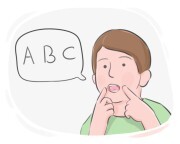
to pronounce or utter something in a clear and precise way
articula, pronunța clar

to be reluctant to do something or allow it to happen, particularly because it is dangerous, difficult, or unpleasant
ezita, se da înapoi
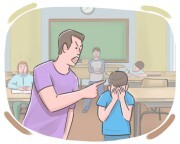
to severely criticize, often with the intention of correcting someone's behavior or actions
mustra, certi
Profesorul a mustrat elevul pentru că a perturbat ora cu comportament zgomotos.
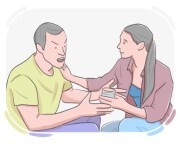
to do something that stops someone's anger or dissatisfaction, usually by being friendly or giving them what they want
împăca, calma
Ea a împăcat clientul supărat oferind o rambursare integrală.
to discuss something with others in order to exchange views or reach a decision
a conferi, a consulta
to openly express one's extreme disapproval or criticism
denunța, condamna
Activistul a denunțat noua politică ca fiind dăunătoare comunității.

to express one's disagreement, refusal, or reluctance
obiecta, ezita
Când i s-a cerut să lucreze ore suplimentare, Sarah a obiecționat, invocând angajamente familiale.
to indicate something's meaning or what it is referring to
denota, semnifica
Culoarea albastră din pictură este aleasă cu grijă pentru a denota un sentiment de liniște și calm.
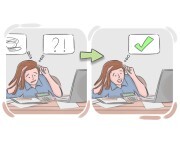
to understand and make sense of something after giving it a lot of thought
a înțelege, a pricepe
Intriga complexă a romanului a cerut cititorilor să înțeleagă motivațiile personajelor.
to praise someone or something enthusiastically and loudly, particularly in a public manner
aplauda, lăuda
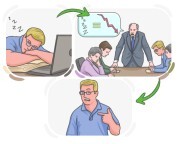
to communicate or suggest something indirectly
insinua, sugera
to say that something either does not exist or is not true
nega, infirma
A încercat să nege mărturiile martorilor acuzându-i că conspiră împotriva lui.
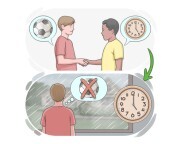
to come to a conclusion without enough evidence
presupune, bănui
Incapabil să găsească documentul lipsă, nu a putut decât să presupună că poate a fost pus la locul greșit.
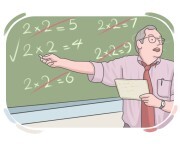
to stress something's importance or value
sublinia, accentua
Discursul președintelui a subliniat importanța unității în vremuri dificile.
criticizing or insulting in a hurtful and angry manner
injurious, denigrator
Remarciile sale vituperative despre noua politică au șocat pe toți cei prezenți la întâlnire.
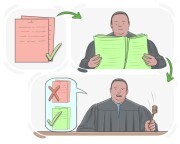
to state that something is incorrect or false based on evidence
respinge, nega
Omul de știință a respins ipoteza cu date empirice.
not willing or able to broaden one's limited understanding or point of view
îngust la minte, limitativ
Abordarea lui îngustă a problemei l-a împiedicat să vadă orice soluții alternative.
sarcastic or critical in a hurtful way
caustic, sarcastic
Jane a încercat să râdă de remarciile caustice despre prezentarea ei, dar clar au rănit-o.
(of sentences, explanations, arguments, etc.) long and difficult to understand, often due to complexity or excessive detail
încâlcit, complicat
Argumentul încâlcit al avocatului a confuzat juriul mai degrabă decât să clarifice cazul.
aiming to teach a moral lesson
didactic, pedagogic
Prelegerile profesorului au fost foarte didactice, oferind studenților perspective valoroase asupra subiectului.
becoming involved in a dispute, conflict, or complex situation
implicat, încâlcit
Ea a fost implicată într-o dezbatere aprinsă privind noile schimbări de politică.
mistaken or inaccurate due to flaws in reasoning, evidence, or factual support
eronat, inexact
Raportul conținea mai multe concluzii eronate bazate pe date defectuoase.

able to be understood without difficulty
inteligibil, clar
Scrisul lui nu era întotdeauna inteligibil, făcând dificilă citirea pentru alții.
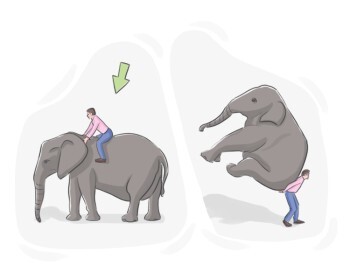
seeming believable or reasonable enough to be considered true
plauzibil, credibil
Detectivul a considerat alibiul său plauzibil, deoarece mai mulți martori au coroborat povestea lui.
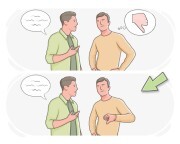
suggested or understood without being verbally expressed
tacit, implicit
Au avut o recunoaștere tacită a abilităților celuilalt, ducând la o colaborare fără probleme.
used to indicate that despite a previous statement or situation, something else remains true
cu toate acestea, totuși
Dovezile erau slabe; cu toate acestea, juriul l-a condamnat.
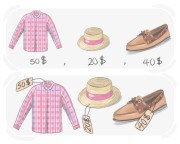
used to show that separate items correspond to separate others in the order listed
respectiv
Tom și Jerry au 5 și, respectiv, 3 ani.
used to introduce a statement that is true for one thing and false for another
în timp ce, pe când
James este extrovertit și vorbăreț, pe când fratele său este rezervat și tăcut.
a problem or question that is confusing and needs a lot of skill or effort to solve or answer
enigmă, puzzle
Sensul vieții a fost întotdeauna o enigmă asupra căreia filozofii au meditat de secole.
a lack of similarity between facts, reports, claims, or other things that are supposed to be alike
discrepanță, diferență
Auditul a evidențiat o discrepanță semnificativă între veniturile raportate și cifrele reale de vânzări.
a state of disagreement between people's opinions, actions, or personalities, often resulting in tension
disonanță, neînțelegere
Exista o clară disonanță între cuvintele managerului și acțiunile sale.
the practice of pretending to feel or act one way while actually pursuing another
duplicitate, ipocrizie
Spionul era priceput în dublitate.
a person or thing that serves as an excellent model or example of a particular quality or type
exemplu, model
Eseul studentului a fost un exemplu de scriere clară și persuasivă.
something's main or overall meaning
esenta, substanța
Esenta conversației a fost despre îmbunătățirea colaborării în echipă.

a possible consequence that something can bring about
implicație, consecință
a logically contradictory statement that might actually be true
paradox, contradicție logică
Este un paradox faptul că, cu cât avem mai multe opțiuni, cu atât devine mai dificil să luăm o decizie.
criticism or comments that are severely cruel and hurtful
critică veninoasă, comentarii crude
Secțiunea de comentarii a fost plină de critici veninoase după anunțul controversat.
